
24/7 Customer Support

Free returns

Same-day & Next-day Delivery

Quality Guaranteed

Unlock Your Welcome Offers: FREE Delivery | Up to 80% OFF | Free 30-day JoyPlus trial
Download the APP
Electric scooters can make private-land commuting, leisure riding and short-distance travel more convenient. However, comparing models by headline speed or maximum range alone can lead to an unsuitable purchase. The right choice depends on where you intend to ride, how far you travel, the surface conditions and whether you can safely store and charge the scooter.
Before comparing UK electric scooters, consider these common buying pitfalls.
A quoted maximum range is normally achieved under controlled conditions, often with a particular rider weight, speed, temperature and road surface. Riding at the scooter’s maximum speed, climbing hills, carrying extra weight or travelling in cold weather can reduce the practical distance.
Look for both the headline range and, where available, a stated range at higher speed. For example, the Xiaomi Electric Scooter 6 Max lists up to 70 km, while its stated range at maximum speed is 45 km. This gives a more useful basis for planning regular journeys.
Many models are marketed as 25 km/h electric scooters, but that specification does not make a privately owned scooter legal on UK public roads, pavements, cycle paths, parks or other public open spaces. Current UK guidance and the product warnings supplied with these models state that privately owned electric scooters may only be used on private land with the landowner’s permission.
Rental e-scooters operating in official trial areas are subject to different conditions. Always check the latest official rules for your location before riding. A helmet, suitable protective equipment and one rider per scooter are sensible safety measures, even when riding on permitted private land.
A larger motor may help with acceleration and inclines, but it can also increase the scooter’s weight. A 29 kg scooter may be difficult to carry upstairs or lift into a vehicle, even if it folds. Conversely, a lightweight scooter may be easier to store but offer less range, lower load capacity or less suspension travel.
Compare battery capacity in Wh, stated range and charging time. A higher Wh figure generally indicates greater stored energy, although motor efficiency, rider weight and terrain still affect the distance achieved.
If you live in a flat or have limited indoor charging space, electric scooters with removable battery designs can be practical. The Pure Electric Pure Escape Ultra Max has a removable battery, allowing off-scooter charging and additional battery security. Check whether the battery can be removed without specialist tools and whether a replacement is available.
Never use a damaged battery or unapproved charger. Charge on a hard, flat surface away from flammable materials and do not leave the scooter charging unattended or overnight.
For smooth tarmac, a basic front suspension system may be sufficient. On uneven private tracks, gravel or rough pavement, consider electric scooters with suspension and larger pneumatic or tubeless tyres.
Suspension travel is a useful measurable detail. The Xiaomi Electric Scooter 6 Lite has 25 mm dual-spring front suspension, while the Xiaomi Electric Scooter 6 Max combines a 45 mm front suspension system with dual rear shock absorbers. Models described as all-terrain electric scooters may also have wider tyres and greater ground clearance, but they remain subject to the same UK usage restrictions.
Puncture-resistant construction can reduce maintenance, but it does not make tyres immune to damage. The Pure Electric models listed below use 10-inch tubeless tyres with a woven puncture-protection layer.
Check the braking layout rather than simply looking for the word “brakes”. Disc brakes, drum brakes, regenerative braking and electronic anti-lock systems each have different maintenance and control characteristics.
Also compare:
A scooter with an IP rating may offer resistance to specified water exposure, but electrical products should still be kept dry and stored indoors.
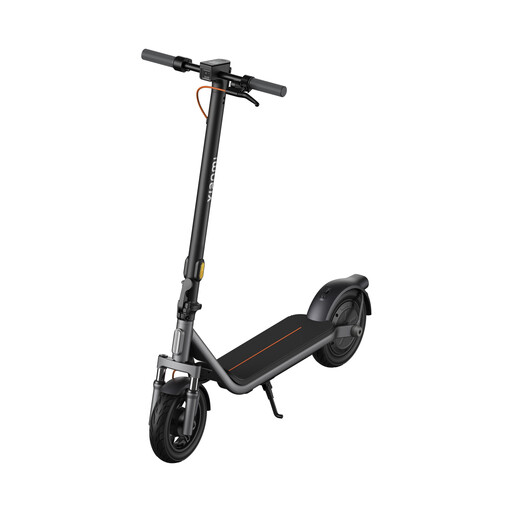
Why This Suits Their Persona: A comparatively light 18.1 kg design suits new riders who prioritise easier storage and short private-land journeys.
Its 25 km stated range is more appropriate for shorter trips than assuming a long-range specification is always needed.
25 mm front suspension, 10-inch pneumatic tyres, front drum brake and rear E-ABS.
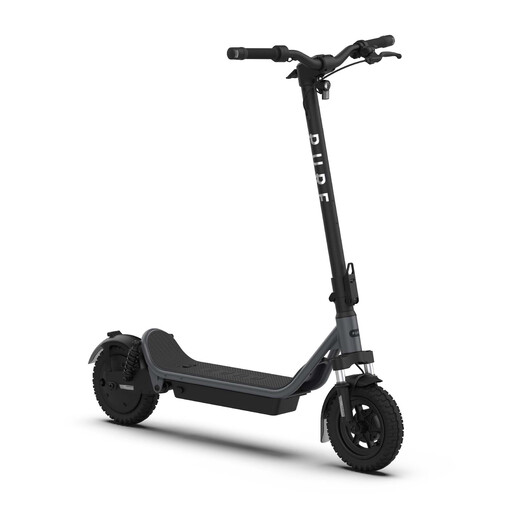
Why This Suits Their Persona: Suitable for riders wanting extended range, dual suspension and added tyre protection for varied private-land surfaces.
The 10-inch tubeless tyres include a woven puncture-protection layer, while the stated range is up to 75 km rather than being presented as a guaranteed distance.
1200W maximum motor power, front and rear suspension, front drum brake and regenerative rear brake.
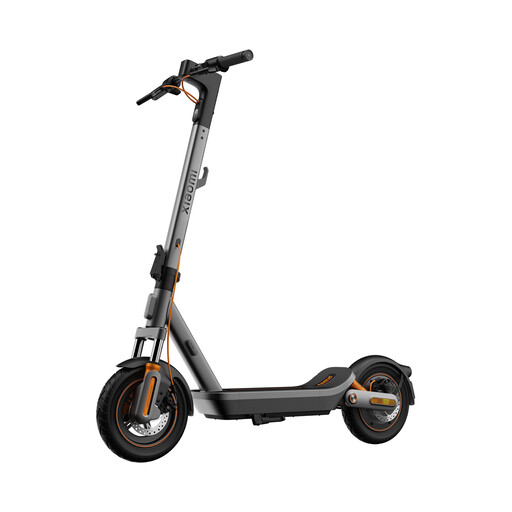
Why This Suits Their Persona: A larger frame and high load capacity suit taller riders, longer private-land routes and uneven surfaces.
Its specification shows both maximum and higher-speed range figures, helping buyers avoid relying only on the headline distance.
12-inch tubeless tyres, 45 mm front suspension, dual rear shocks, 130 kg maximum load and 24% stated incline capability.
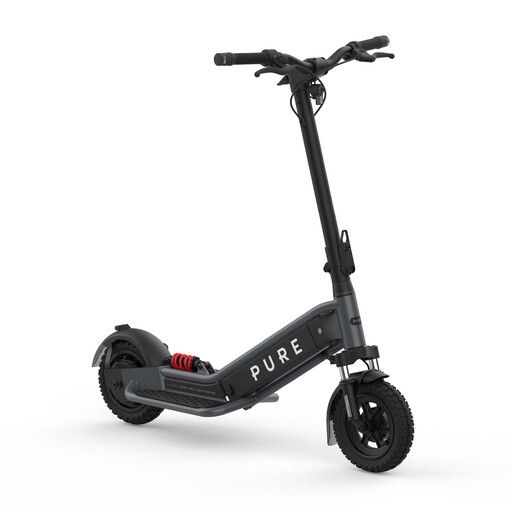
Why This Suits Their Persona: Designed for riders who need strong hill-climbing output, a removable battery and a comprehensive braking setup on private land.
The removable battery addresses charging-location limitations, while 10-inch puncture-resistant tubeless tyres reduce—but do not eliminate—puncture concerns.
1900W stated motor output, front and rear suspension, removable battery and triple braking system.
We have compiled a complete, real-time list of products that fully satisfy these strict selection criteria and UK safety regulations.
Privately owned electric scooters are generally not permitted on UK public roads, pavements, cycle paths or other public spaces. They may be used on private land with the landowner’s permission. Rental schemes in official trial areas follow separate rules, so check current government guidance before riding.
Charging time varies by battery size, charger and model. The Xiaomi Electric Scooter 6 Lite lists approximately eight hours, while the Xiaomi Electric Scooter 6 Max lists approximately nine hours with its standard charger. Follow the supplied charging instructions and avoid unattended or overnight charging.
Electricity costs depend on battery capacity, your tariff and how often you charge. To estimate a full-charge cost, multiply the battery’s capacity in kWh by your electricity price. For example, a 468 Wh battery equals 0.468 kWh. Real-world consumption will vary with speed, rider weight, hills, temperature and tyre pressure.