What matters when choosing
For office black tea, decide whether the appliance needs to brew loose leaves, serve water for separate mugs or boil water for several cups together. Cleaning and workplace suitability then apply whichever route you take.
Automatic tea maker
Choose it when: Colleagues regularly make loose-leaf black tea and want the appliance to end the steep without someone returning to the basket.
Bear in mind: The basket and brewing vessel add cleaning tasks, and the machine makes brewed tea rather than dispensing water for everyone's separate bags.
Hot-water dispenser
Choose it when: People usually arrive one at a time with their own mug and tea bag or infuser.
Bear in mind: Dispensing water does not time the tea, and a large tank does not serve several mugs simultaneously.
Conventional kettle
Choose it when: Colleagues commonly make a round of tea together and are content to use separate bags or infusers.
Bear in mind: Drinkers control both the amount boiled and the infusion time themselves.
| Concern |
What to check |
Who this matters to |
| Steeping and strength |
For loose leaves, check the exact model's black-tea programme or adjustable steep time, and whether its basket is removable. |
If I often make loose-leaf tea, I want to stop the infusion at the intended point instead of remembering to remove the basket. Around 29% of consumers put consistent brewing first. |
| Individual drinks |
Check selectable water portions and whether the outlet accommodates the mugs colleagues use. |
When colleagues take breaks at different times, I want to make one mug without waiting to prepare a shared pot. For around 29% of consumers, serving individual drinks is the primary concern. |
| Communal cleaning |
Check access to the tea basket, filter or drip tray, and read the model's descaling instructions. |
If I help maintain the shared counter, I need parts that can be emptied and cleaned as part of an agreed routine. Keeping the station manageable comes first for around 21% of consumers. |
| Workplace suitability |
Confirm employer permission, suitability for the office electrical supply and arrangements for checking the appliance's condition. |
Before colleagues use a new appliance, I need to know where it can go and how damage will be dealt with. Around 21% of consumers place workplace suitability first. |
Kettles for the shared office
These Joybuy kettles suit the route where colleagues boil water for several cups and prepare black tea separately with bags or infusers. Check workplace permission and electrical-supply suitability before introducing a kettle to the office.
 No image available
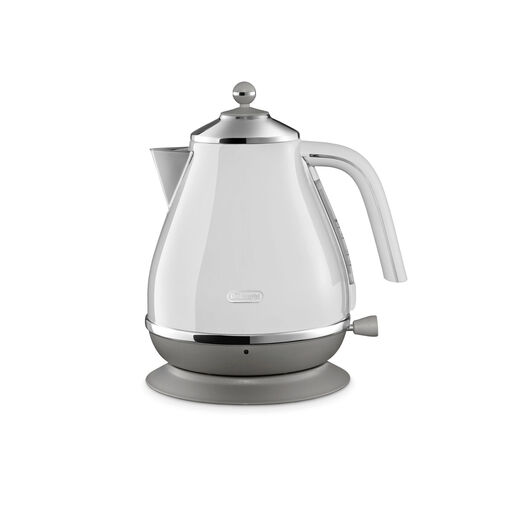
De’Longhi Icona Capitals KBOC3001.W Kettle, 1.7 L, Sydney White
This conventional kettle is an option when colleagues prepare separate tea bags or infusers rather than brewing tea in the appliance.
The listed variant has a 1.7 L capacity and stainless-steel construction. Drinkers still need to manage infusion time themselves.
View on Joybuy
 No image available
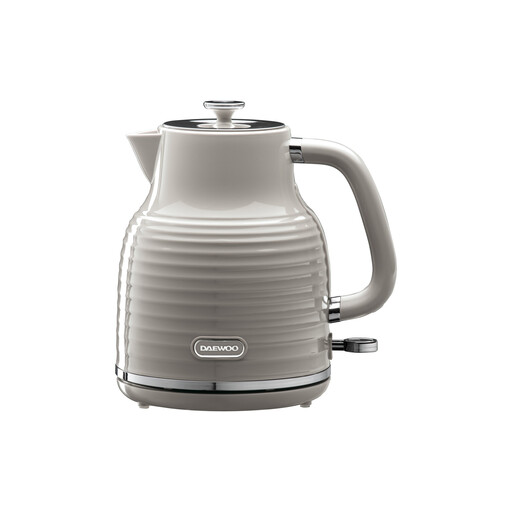
DAEWOO Sienna Retro SDA2482GE Jug Kettle, 1.7 L, Taupe
This jug kettle fits a shared station where people boil water and steep black tea in their own cups.
The listed Taupe variant has a 1.7 L capacity. It does not automate tea steeping, so each drinker must time their infusion.
View on Joybuy
Questions about office tea appliances
Do we need an automatic tea maker for office black tea?
No: a kettle or dispenser can supply water for tea bags or individual infusers. An automatic tea maker is more relevant when colleagues regularly use loose leaves and want the appliance to control steeping; for its English Breakfast tea, teapigs specifies boiling water and at least three minutes of infusion.
When does a hot-water dispenser make more sense than a kettle?
A dispenser is worth considering when colleagues usually make one mug at a time and want selectable water portions. Breville lists nine cup sizes for the VKJ318, but that model does not steep the tea; a kettle remains an option when the team commonly makes several cups together.
Must an office tea appliance have a PAT test every year?
No blanket annual portable appliance testing requirement applies to every office appliance, according to the Health and Safety Executive. Equipment must still be maintained to prevent danger, with checks appropriate to its use and the workplace environment; follow the employer's arrangements.
What should we confirm before putting a new kettle or tea maker in the office?
Confirm employer permission, suitability for the electrical supply and intended use, and a safe place for the appliance and lead. The Health and Safety Executive advises checking work electrical equipment before use and removing damaged equipment from use.
Who should deal with cleaning a shared tea appliance?
Agree a routine before use so that someone empties tea leaves, cleans accessible parts and descales the appliance as its instructions require. Check the exact model's manual: a tea basket, kettle filter and dispenser drip tray involve different tasks.


