
24/7 全天候客户支持

免费退货

当日/次日达

品质保障

开启新人专享福利: 全场免邮 | 低至 2 折 | 免费试用 30 天 JoyPlus 会员
下载 Joybuy
Navigating the world of the modern electric toothbrush can feel overwhelming. Whether you are upgrading from a manual brush or replacing an older model, you are faced with a dizzying array of options: sonic, oscillating, smart features and countless brushing modes. The goal is simple—a cleaner mouth and a healthier smile—but the path to choosing the right tool is not always clear.
As the Joybuy Product Recommendation Officer, my role is to help you cut through the marketing clutter. This guide offers practical, objective advice to help you understand the key features that matter, so you can select a rechargeable toothbrush that genuinely suits your needs and budget.
Before we look at specific models, let's break down the most important considerations. Focussing on these core aspects will simplify your decision-making process.
The two dominant technologies in the electric toothbrush market are sonic and oscillating-rotating. Neither is definitively superior; the choice often comes down to personal preference for the sensation and brush head shape.
Beyond the core technology, certain features offer tangible benefits for your daily oral hygiene routine.
A smart toothbrush connects to an app on your phone to provide real-time feedback, track your coverage and monitor your habits. Models like the Oral-B iO series use AI to map your mouth and show you which areas you have missed. While this can be a powerful tool for improving your technique, it may be an unnecessary complication for users who prefer a more straightforward experience.
Here are a few models that stand out for their features, performance and value.
A quick note: Many electric toothbrushes sold in the UK come with a 2-pin plug designed for bathroom shaver sockets. If you plan to charge it using a standard 3-pin wall socket, you will need a simple adapter.
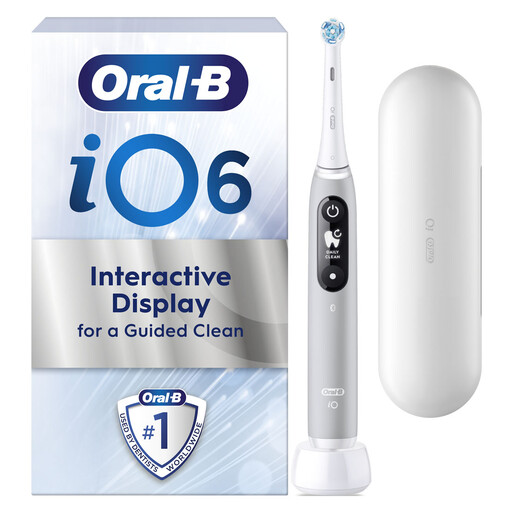
Why It Stands Out: The Oral-B iO6 brings premium technology into a more accessible package. Its frictionless magnetic iO drive delivers energy directly to the bristle tips, resulting in a remarkably smooth and quiet, yet effective, clean. The interactive OLED display provides at-a-glance feedback and mode selection, making it feel like a truly modern device.
Pros:
Who is it for? This brush is ideal for the tech-savvy user who wants detailed feedback to improve their brushing habits and appreciates a premium, feature-rich experience.
View Product Details on Joybuy
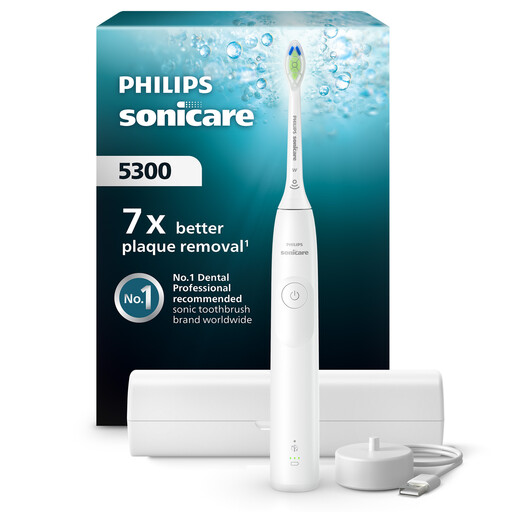
Why It Stands Out: The Sonicare 5300 focuses on delivering the core benefits of sonic cleaning technology with practical, intelligent features. It avoids the complexity of app connectivity but includes the highly useful BrushSync technology, which tracks your brush head usage and reminds you when it is time for a replacement, ensuring you always get an effective clean.
Pros:
Who is it for? A great choice for those who trust the Philips Sonicare cleaning action and want a reliable, no-fuss brush with smart reminders for maintenance and gum protection.
View Product Details on Joybuy
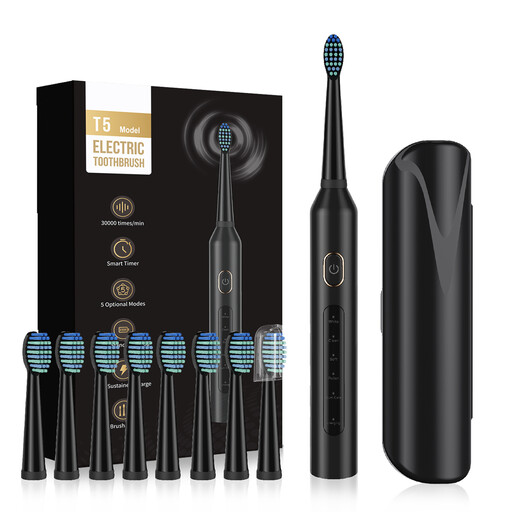
Why It Stands Out: This model delivers exceptional value without compromising on core performance. Its standout feature is the incredible 60-day battery life from a single 2-hour charge, making it a superb travel electric toothbrush. The inclusion of eight brush heads means you are set for up to two years, offering significant long-term savings.
Pros:
Who is it for? Perfect for the budget-conscious shopper, the frequent traveller or anyone who wants a powerful sonic toothbrush with a comprehensive set of features and accessories straight out of the box.
View Product Details on Joybuy
The performance of any modern rechargeable toothbrush depends on the quality of its internal power source. If you are interested in the technology that powers these and other portable electronics, you can explore our range of Lithium rechargeable batteries.
1. How often should you replace an electric toothbrush head? It is generally recommended to replace your brush head every three months, or sooner if the bristles become frayed. Many brush heads now feature indicator bristles that fade to signal it is time for a change. Some smart toothbrushes, like the Philips Sonicare 5300, also provide an automatic reminder.
2. Can I use an electric toothbrush with sensitive gums? Yes. Most modern electric toothbrushes are designed with gum health in mind. Look for a model with a dedicated 'Sensitive' or 'Gum Care' mode, which uses a gentler vibration or oscillation. An electric toothbrush with a pressure sensor is also crucial, as it will train you to use the correct amount of force and prevent irritation.
3. What is the main difference between a sonic and an oscillating toothbrush? The primary difference is the motion. A sonic toothbrush (e.g., Philips Sonicare, Sunluxy) uses a side-to-side sweeping motion at very high speeds. An oscillating-rotating toothbrush (e.g., Oral-B) uses a round head that spins back and forth and pulses in and out. Both are highly effective at removing plaque, so the choice often depends on which cleaning sensation you prefer.