
24/7 Customer Support

Free returns

Same-day & Next-day Delivery

Quality Guaranteed

Unlock Your Welcome Offers: FREE Delivery | Up to 80% OFF | Free 30-day JoyPlus trial
Download the APP
Upgrading to an electric toothbrush can feel like a significant step towards better oral health. Yet, the market is flooded with models boasting features that sound impressive but often add more confusion than value. Many of us have been tempted by a flashy feature, only to find it impractical or the device itself a poor fit for our daily routine.
As a Joybuy Product Recommendation Officer, my role is to help you navigate this landscape. We will look past the marketing jargon and focus on what truly matters. Before you spend your money, let's identify the common pitfalls that lead to buyer's remorse.
To make a confident choice, focus on the core specifications that directly impact cleaning performance and long-term usability. Here are the non-negotiable parameters to check.
The primary difference between electric toothbrushes lies in their cleaning action. Understanding this is the first step to finding the right fit for your mouth.
The choice is largely one of personal preference, but it's the most fundamental decision you will make.
Perhaps the single most important feature for oral health is an electric toothbrush with a pressure sensor. Brushing too hard is a common habit that can lead to gum recession and enamel erosion over time. A pressure sensor provides real-time feedback—usually a light, vibration or automatic slowdown—to alert you when you are applying too much force. This simple feature helps protect your gums and teeth from unintentional damage, making it an essential for everyone, especially those with sensitivity.
While a 180-day battery is impressive, practical convenience is more important. A reliable rechargeable electric toothbrush with a 2-4 week battery life is more than sufficient for daily use and short trips. Pay attention to the charging method:
Instead of a generic list, we have matched specific models to different user needs. This helps you find a brush that not only cleans well but also fits your lifestyle.
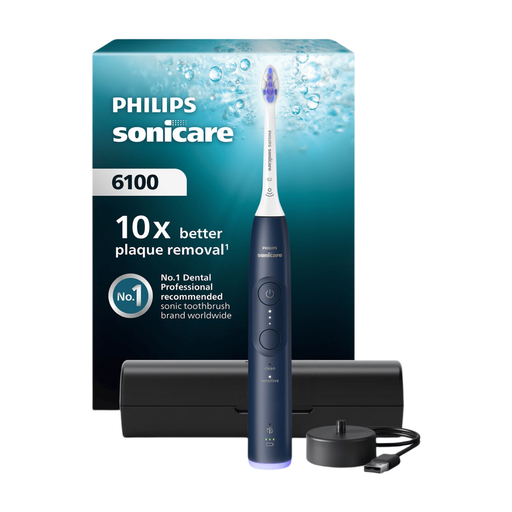
Why This Fits Their Persona: This user is moving from a manual or basic electric brush and wants proven performance without unnecessary complexity. They value features that deliver tangible health benefits, like gum protection and a better clean.
It avoids the "unused smart feature" trap by focusing on essentials. The pressure sensor, multiple modes (Clean, White, Gum Care) and intensity levels are practical tools you will use daily, rather than a complex app you might abandon.
Features a built-in pressure sensor to protect gums and BrushSync technology that reminds you when to replace the head, addressing two key concerns for new users.
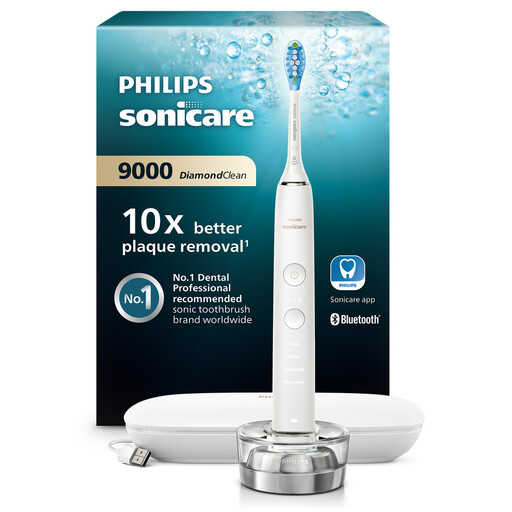
Why This Fits Their Persona: This user wants the full suite of features and is willing to use app connectivity to track and improve their brushing habits. They appreciate premium design, a dedicated whitening electric toothbrush mode and travel convenience.
While it is a feature-rich smart toothbrush, its app provides actionable feedback and progress reports that genuinely help improve technique. The premium charging travel case also adds real-world value, justifying the investment for those who will use its capabilities.
Offers a comprehensive package with 4 modes and 3 intensities for full customisation, Bluetooth connectivity for guided brushing and a high-quality charging travel case.
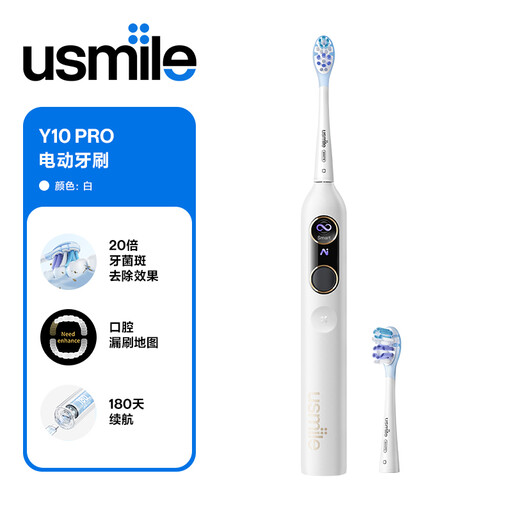
Why This Fits Their Persona: This user prioritises convenience, long battery life and a clutter-free bathroom. They travel often and need a reliable brush that doesn't require constant charging or a bulky dock.
It delivers on its headline feature—a 180-day battery life—with the added practicality of USB-C charging. The smart screen provides brushing feedback directly on the handle, offering a "smart" experience without forcing you to use a phone app.
Exceptional battery performance and a built-in smart screen for real-time coverage feedback make this a standout choice for a low-maintenance, high-tech clean.
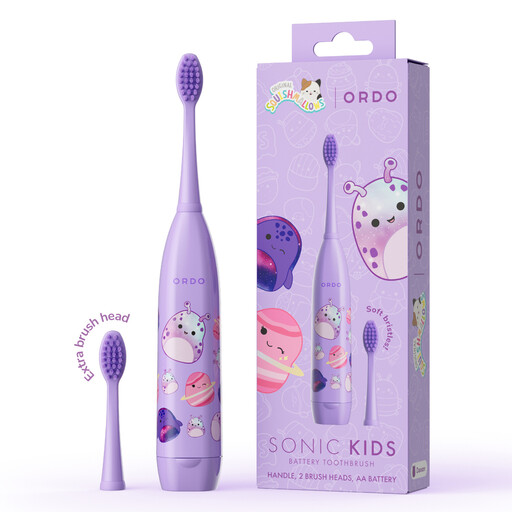
Why This Fits Their Persona: Parents need a simple, effective and engaging tool to build good oral hygiene habits. This kids electric toothbrush is designed to be fun and easy for small hands to use, turning a daily chore into an enjoyable routine.
It avoids over-engineering by focusing on what a child needs: a gentle sonic clean, soft bristles and an appealing design. The battery operation removes the hassle of charging cables, making it safe and simple for bathroom use.
The combination of a popular character design with dentist-approved sonic technology encourages children to brush regularly and effectively. Includes a spare brush head for convenience.
We have compiled a complete, real-time list of products that fully satisfy these strict selection criteria and UK safety regulations.
The general recommendation from dentists and manufacturers is to replace your brush head every three months. Many modern brushes, like some of the Philips Sonicare models, have reminder technology built in. Otherwise, a good rule of thumb is to replace it when the bristles become frayed or lose their colour, as worn bristles are less effective at removing plaque.
Yes, an electric toothbrush can be very effective for those with braces or sensitivity, provided you choose the right model and head. Look for a brush with a dedicated 'Sensitive' or 'Gum Care' mode, which uses a lower intensity. An electric toothbrush with a pressure sensor is also crucial to prevent applying too much force around brackets and sensitive areas. Always use a soft-bristled brush head.
In the UK, many electric toothbrushes and shavers come with a 2-pin plug (BS 4573). This is the standard, legally compliant plug for use in the special shaver sockets found in many UK bathrooms. These sockets are isolated from the main power circuit for safety in a wet environment. If you do not have a shaver socket, you can use a simple, widely available 2-pin to 3-pin adapter to plug it into a standard wall socket. This does not affect the performance or safety of the appliance.