
24/7 Customer Support

Free returns

Same-day & Next-day Delivery

Quality Guaranteed

Unlock Your Welcome Offers: FREE Delivery | Up to 80% OFF | Free 30-day JoyPlus trial
Download the APP
An electric toothbrush can make daily brushing easier, but choosing one based on speed figures or a glossy advertisement can lead to unnecessary expense. UK shoppers often overlook replacement-head costs, charging compatibility and whether the handle is genuinely suitable for children or travel.
This guide explains the practical features to check, common buying traps and which models may suit different routines.
Specifications such as “35,000 pulses per minute” or “62,000 brush movements per minute” describe motor activity, but they do not tell you whether the brush feels comfortable, includes useful timing guidance or has a head that suits your mouth. Technique, coverage and regular brush-head replacement remain important.
A sonic electric toothbrush with a two-minute timer and quadrant pacing may be more useful for everyday consistency than a model with a higher advertised figure but few guidance features.
The handle may appear affordable, while compatible brush heads cost more over time. Check the replacement-head range before buying and confirm how frequently the manufacturer recommends changing the head. Many product instructions suggest replacing it approximately every three months, or sooner if the bristles become worn.
A waterproof electric toothbrush can be convenient around the sink, but the charger, charging base or USB cable may still need to remain dry. Look for a stated water-resistance rating where available and always follow the supplied instructions. A UK two-pin plug is common for low-power appliances such as toothbrushes; a suitable adaptor may be needed for a three-pin socket.
Soft, rounded bristles are generally a practical choice for sensitive gums and children. Adults may prefer interchangeable heads for gum care, plaque-focused cleaning or surface-stain removal. A pressure sensor toothbrush can alert you when too much force is being applied, although it should guide rather than replace gentle technique.
For children, check the recommended age, handle size and head dimensions. A kids electric toothbrush intended for children aged four and over should not be treated as a miniature adult model. Smaller hands and mouths need suitable controls and a compact head, with adult supervision where appropriate.
A two-minute timer can help establish a consistent routine, while a QuadPacer or similar interval reminder encourages even attention across the mouth. Multiple modes may be useful if you need gentle, gum-care or whitening settings, but extra options are only worthwhile if you will use them.
A teeth whitening electric toothbrush can help remove some surface stains through brushing, but it does not change the natural colour of teeth or replace professional dental advice. Likewise, a gum care toothbrush should be used with light pressure.
A rechargeable electric toothbrush is convenient for regular home use and can reduce the need to keep spare batteries. Compare the stated runtime, charging method and included accessories. A USB-C electric toothbrush is particularly practical if you already carry USB-C cables, while a travel case can protect the handle and brush head in a wash bag.
Battery-life figures are usually based on specific brushing frequency and duration. Treat “up to” claims as a guide rather than a guarantee for every household.
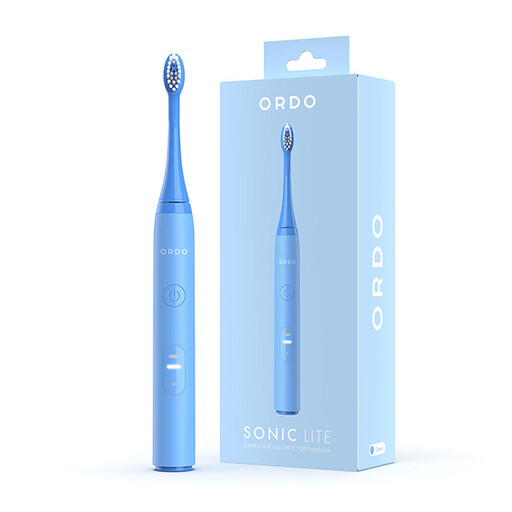
Why This Fits Their Persona: A straightforward option for UK adults moving from a manual brush who want rechargeable power without a complex app or large charging dock.
It combines a two-minute timer and Quad Pacer with two modes, so buyers receive practical guidance rather than paying only for a high speed figure.
35,000 pulses per minute, USB-C charging, fully waterproof construction and a stated battery life of more than five weeks.
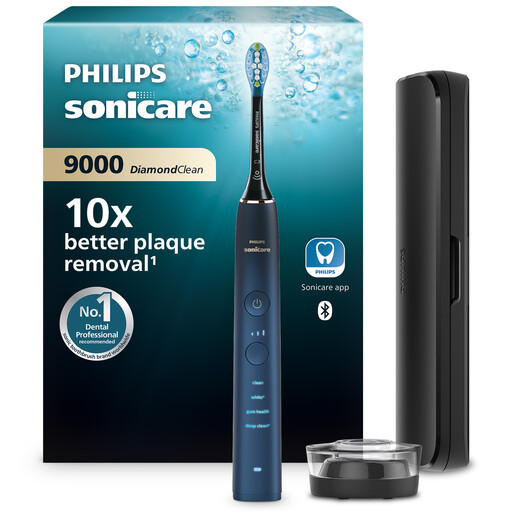
Why This Fits Their Persona: Suits shoppers who want app-connected feedback, several brushing options and a travel case for regular trips or commuting.
The pressure sensor, timer and app guidance address technique and coverage, while the replaceable click-on head system makes future maintenance easier to plan.
Four modes, three intensity levels, Bluetooth app connectivity, pressure sensing and up to 14 days of stated battery runtime.
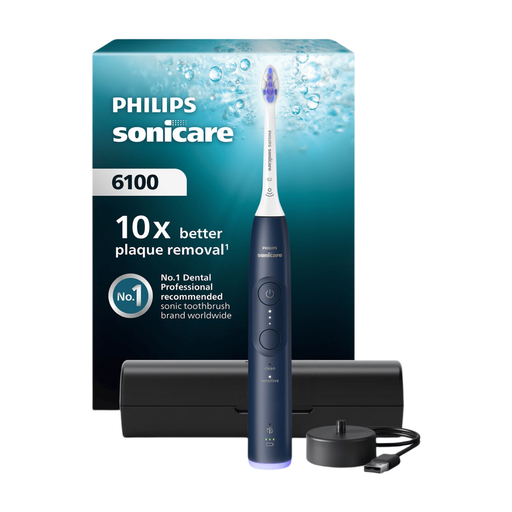
Why This Fits Their Persona: A practical match for adults prioritising gum care, adjustable comfort and a portable setup for frequent travel.
Its visual pressure sensor and intensity controls provide clearer feedback than relying on motor strength alone. The travel case also reduces the risk of carrying the brush unprotected.
Three modes, three intensities, SmartTimer, QuadPacer, BrushSync replacement reminders and up to two weeks of stated use per charge.
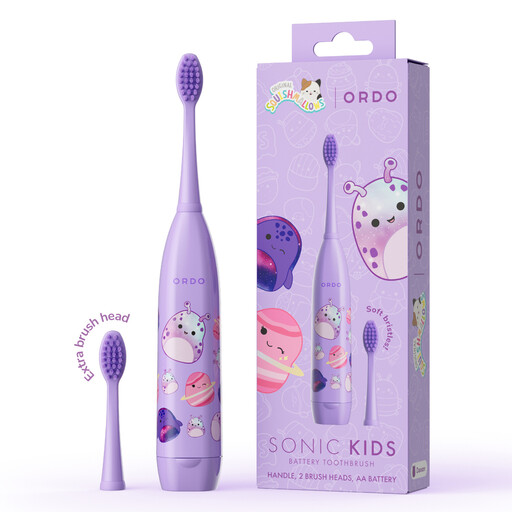
Why This Fits Their Persona: Designed for children aged four and over, it may help parents make brushing more engaging at home or during family travel.
The age guidance, soft bristles, compact head and one-button operation make the choice clearer than buying an adult handle for a young child.
Battery-powered operation, soft bristles, waterproof construction and a spare brush head included. One AA battery is required.
We have compiled a complete, real-time list of products that fully satisfy these strict selection criteria and UK safety regulations.
The handle and battery can last for several years, depending on use and care, but the brush head normally needs replacing around every three months or when bristles show wear. Keep charging equipment dry and stop using the product if the handle, cable or head becomes damaged.
It depends on the purchase price, charging habits and replacement-head cost. Rechargeable models avoid regular AA battery purchases, while battery-powered models can be useful for travel or occasional use. Compare the full ownership cost rather than the handle price alone.
A child should use a brush designed for their age, with an appropriately sized head and soft bristles. Follow the product’s age guidance and supervise children where instructions require it. For dental concerns, braces or sensitive gums, seek advice from a dentist before changing brushing equipment.