
24/7 Customer Support

Free returns

Same-day & Next-day Delivery

Quality Guaranteed

Unlock Your Welcome Offers: FREE Delivery | Up to 80% OFF | Free 30-day JoyPlus trial
Download the APP
An electric toothbrush can make a daily brushing routine easier to follow, but the product pages do not always make comparisons straightforward. A high vibration count may look impressive, while a short battery life, expensive replacement brush heads or poorly explained charging requirements can reduce its practical value.
For UK households, the right choice depends on more than whether a model is described as a sonic electric toothbrush. You should also consider pressure control, brushing guidance, water resistance, replacement-head availability and the cost of keeping the handle running.
Numbers such as 35,000 or 40,000 pulses per minute are specifications, not a complete measure of cleaning performance. A brush with several intensity settings, a suitable head shape and a timer may be easier to use consistently than one with a higher stated figure but few controls.
A whitening electric toothbrush should also be assessed realistically. Polishing bristles may help remove some surface stains, but an electric toothbrush does not replace professional dental care or change the natural colour of teeth.
Some rechargeable models include several replacement brush heads, which may be useful for families or frequent travellers. However, check whether compatible heads are easy to find and whether they are sold individually or only in multipacks. Most manufacturers recommend changing a brush head around every three months, or sooner if the bristles become worn.
A low purchase price may become less attractive if replacement brush heads are difficult to source or cost more than expected.
An IPX7 or IP67 waterproof electric toothbrush can generally tolerate rinsing or brief water exposure according to its stated rating. This does not mean the charging port, charging base or cable can be connected while wet. Always dry the relevant parts before charging and follow the product manual.
Battery-powered models can be convenient for travel, but rechargeable designs may reduce the need to carry spare AA batteries. Look for a USB-C electric toothbrush if you already use USB-C cables at home or when travelling.
A built-in electric toothbrush with timer normally signals the recommended two-minute brushing period. A quad pacer or 30-second interval reminder divides brushing into four sections, helping users spend more even time across the mouth.
A toothbrush with pressure sensor can be useful for anyone who tends to press firmly. Visual, vibration or audible alerts vary between models, so check the product description for the type of feedback provided. The sensor is a guide rather than a substitute for gentle technique.
A simple clean and gentle setting may suit first-time users, while a family may prefer separate modes for softer brushing or stain-focused routines. More modes are not automatically more useful; consider whether everyone in the household will use them.
For children, choose a model specifically marked for an appropriate age range, supervise use where required and keep small brush heads and charging accessories away from young children.
Battery claims are usually expressed as use between charges under particular conditions. A model advertised with several weeks of battery life may be practical for holidays, but charging time and the supplied cable still matter.
A travel electric toothbrush should be compact, protected in a case and easy to charge away from home. Check whether the charger is compatible with UK sockets. Some products include a UK two-pin plug intended for low-power bathroom appliances; a suitable adapter may be needed for a standard three-pin socket.
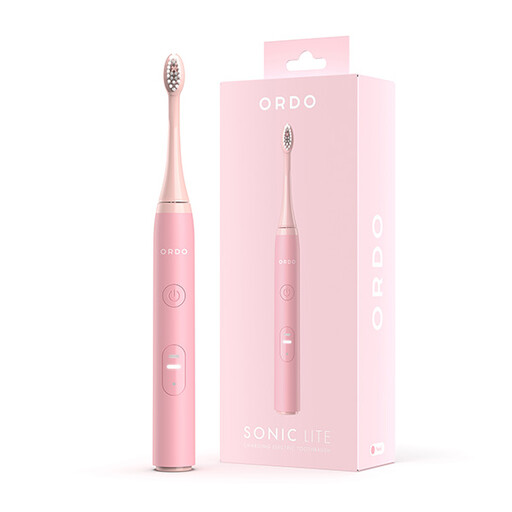
Why This Fits Their Persona: A straightforward option for adults moving from a manual brush, with two modes, USB-C charging and a compact waterproof design for everyday UK bathroom use.
It focuses on practical essentials rather than an excessive number of modes: a two-minute timer, quad pacer and a stated 5+ weeks of battery use.
35,000 sonic pulses per minute, two brushing modes, USB-C charging, a two-year manufacturer warranty and a stated fully waterproof design.
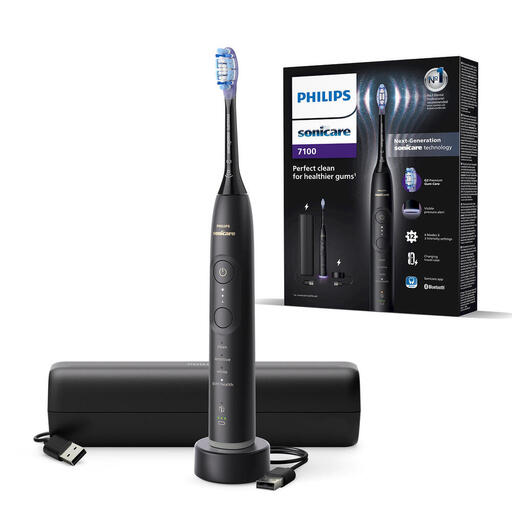
Why This Fits Their Persona: Suitable for users who value brushing feedback, adjustable settings and a travel case, with Bluetooth connectivity for those who want app-based guidance.
Its visual pressure sensor and BrushSync replacement reminder address two commonly missed details: brushing force and timely head changes.
Four stated modes, three intensities, a two-minute timer with QuadPacer, Bluetooth app connectivity and an included travel case.
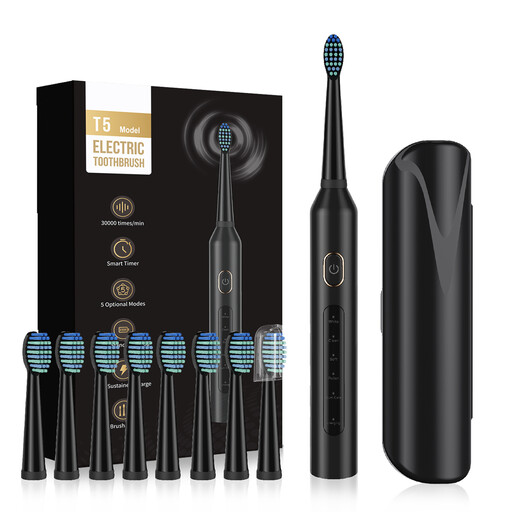
Why This Fits Their Persona: A practical match for frequent travellers, larger households or users who prefer multiple modes and a substantial supply of replacement heads.
The package lists eight replacement heads, a fading-bristle indicator and a travel case, making ongoing maintenance easier to plan.
Five modes, up to 40,000 VPM, stated IPX7 water resistance, a two-hour charging time, up to 60 days of battery use and eight included heads.
The ongoing cost usually includes replacement brush heads and electricity. USB-C rechargeable models can be convenient because they use a familiar charging format, while battery-powered toothbrushes avoid a charging base but require replacement batteries. Compare the cost and availability of compatible heads over the expected period of ownership rather than judging only the initial price.
The handle’s lifespan depends on battery condition, charging habits, water exposure and general care. A manufacturer warranty provides a useful indication of after-sales support, but it does not cover every type of damage. Replace the brush head when it is worn, splayed or flagged by an indicator, even if the handle continues to work.
Some electric toothbrushes are designed for adults and children, but suitability depends on the stated age range, head size and supervision guidance. Children should use a soft brush head with gentle pressure. Stop use and seek dental advice if persistent discomfort or bleeding occurs.