
24/7 Customer Support

Free returns

Same-day & Next-day Delivery

Quality Guaranteed

Unlock Your Welcome Offers: FREE Delivery | Up to 80% OFF | Free 30-day JoyPlus trial
Download the APP
Switching from a manual brush to an electric toothbrush can make daily brushing more consistent, but choosing the right model is not always straightforward. Product pages often highlight cleaning percentages, high vibration rates and advanced apps while leaving out practical details such as replacement-head costs, charger compatibility and travel accessories.
Before buying, watch for three common traps:
An electric toothbrush with pressure sensor is worth considering if you tend to press firmly or have sensitive gums. A sensor may alert you with a light, sound or change in brushing action when too much force is applied. This is a guidance feature, not a substitute for dental advice.
Look for a clearly described sensor rather than a vague reference to “smart cleaning”. Some models provide a simple red warning, while more advanced handles use multicolour feedback to show whether pressure is too light, suitable or excessive.
A sensitive-gum toothbrush should also offer a gentle or sensitive mode and a compatible soft brush head. If you have ongoing pain, bleeding or other dental concerns, speak to a dentist before changing your routine.
A built-in electric toothbrush with timer can help you brush for two minutes, with a signal every 30 seconds to move between sections of the mouth. This is a practical feature for adults and families because it removes the need to estimate brushing time.
A timer does not guarantee complete coverage. You still need to guide the head slowly around the teeth and gumline, without scrubbing aggressively. Quadpacer, quadrant alerts and zone reminders all serve a similar purpose, although the exact sound or vibration varies by model.
A rechargeable electric toothbrush is generally more convenient than a battery-powered handle for regular home use. Compare the stated run time, charging method and charger type:
Also check brush-head compatibility. Oral-B iO handles use iO replacement heads, while Oral-B Pro handles use a different range. A discounted handle may not be economical if the compatible refills are difficult to find or cost more than expected.
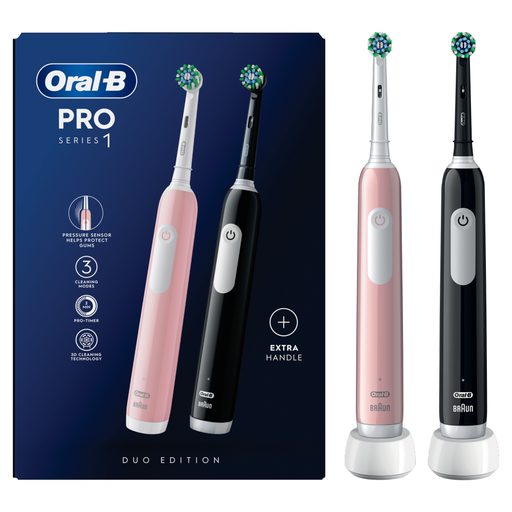
Why This Fits Their Persona: Two handles suit couples or households wanting to move from manual brushing to rechargeable models without buying separate sets.
It focuses on useful essentials: three modes, a pressure sensor and a two-minute timer rather than app features.
Daily Clean, Sensitive and Whitening modes; rechargeable battery rated for up to 10 days.
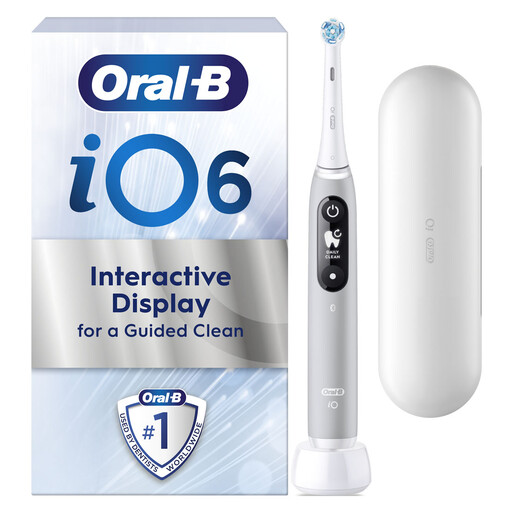
Why This Fits Their Persona: Suitable for technology-focused users who want on-handle feedback and app-guided brushing at home.
The feature list is clear: app connectivity, display, pressure feedback and five named modes, so buyers can judge whether the extras justify the price.
OLED colour display, five modes, pressure sensor, travel case and up to two weeks of stated battery use.
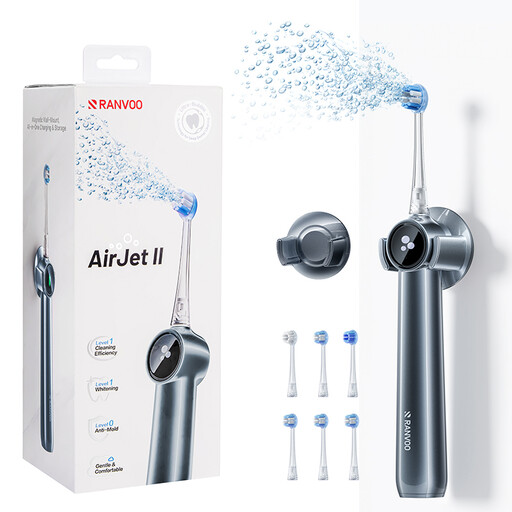
Why This Fits Their Persona: A practical option for users who dislike frequent charging and want several brush heads included for ongoing use.
Its stated battery figure, magnetic charging stand and included heads address the hidden inconvenience of frequent charging and early refill purchases.
Four modes, IPX7-rated body, two-minute timer and a stated battery life of up to 50 days in gentle mode.
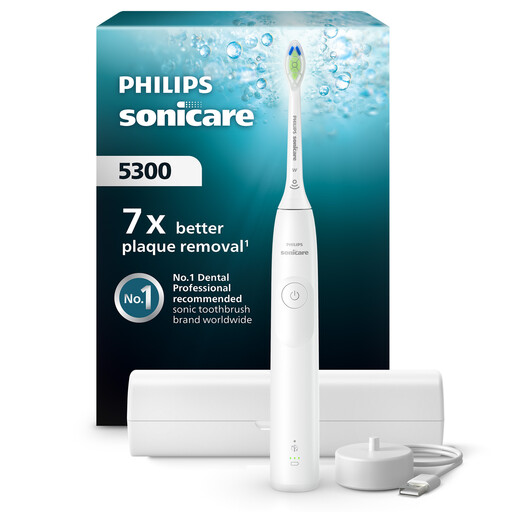
Why This Fits Their Persona: The sonic format, pressure sensor and gum-care setting suit shoppers comparing sonic toothbrushes with round-head oscillating models.
It lists pressure feedback, timed zone guidance and brush-head replacement reminders instead of relying only on performance slogans.
Three listed modes, SmartTimer, QuadPacer, BrushSync reminder, travel case and up to two weeks of stated battery life.
We have compiled a complete, real-time list of products that fully satisfy these strict selection criteria and UK safety regulations.
Check the included brush heads, replacement-head compatibility and warranty information. For families, do not assume an adult electric toothbrush is suitable for young children; follow the stated age guidance and supervise children where required.
For travel, confirm whether the case is included and whether the charger supports the sockets you use abroad. A model with Bluetooth or app tracking also requires a compatible smartphone and may be unnecessary if you only want a timer and pressure alert.
Battery life varies by battery type, charging condition, brushing mode and frequency. Product figures are usually based on two two-minute sessions per day. Recharge the handle according to the instructions rather than waiting until it is completely empty.
Many manufacturers recommend replacing a head approximately every three months, or sooner if the bristles become worn. Check the product instructions, as some handles provide a replacement reminder.
The main ongoing cost is replacement brush heads. Electricity use is usually modest, but charging frequency differs between models. Compare the price and availability of compatible heads before choosing a handle, particularly for a household with several users.