
24/7 Customer Support

Free returns

Same-day & Next-day Delivery

Quality Guaranteed

Unlock Your Welcome Offers: FREE Delivery | Up to 80% OFF | Free 30-day JoyPlus trial
Download the APP
Choosing an electric toothbrush should be straightforward, but product listings often make similar models seem interchangeable. Battery figures may describe ideal laboratory conditions, “smart” features may add cost without improving daily convenience, and waterproofing claims can be misunderstood.
For UK shoppers, the practical question is not simply which toothbrush has the highest pulse count. It is whether the handle, charging method, brush heads and controls fit your routine.
A high pulses-per-minute figure can attract attention, but it does not tell you whether the toothbrush has useful intensity settings, a comfortable head or a timer. A sonic electric toothbrush with two well-defined modes may be more suitable for a beginner than a model with five modes that are difficult to distinguish.
Also check whether the product description clearly states the number of modes, charging time and included brush heads. Avoid paying extra for vague terms such as “professional” or “advanced” when the specification does not explain what they mean.
Battery life depends on brushing frequency, selected mode and charging condition. “Up to” figures represent a maximum rather than a typical result. A long battery life electric toothbrush can be useful for travel, but buyers should also check how it charges.
Some models use a proprietary stand, while others use USB or USB-C. A USB-C electric toothbrush is convenient if you already carry compatible cables, but the charging port and cable generally need to be dry before connection.
An IPX7 waterproof electric toothbrush handle is designed to tolerate specified water exposure, but the charger, USB cable and charging base are not necessarily waterproof. Keep charging equipment away from the sink and dry the handle before charging if the port is exposed.
A water-resistant model may be suitable for rinsing under a tap without being intended for extended immersion or shower use. Always follow the product’s own instructions.
For adults, look for at least one everyday mode and a gentler option if you have sensitive gums or dental work. Round heads, as used by several Oral-B electric toothbrush models, work differently from the elongated heads commonly found on sonic designs.
A pressure sensor is valuable if you tend to press firmly. It may use a light, vibration change or automatic reduction in movement to alert you. Do not assume every model with multiple modes includes this feature; check the specification directly.
Replaceable heads are also important. Many manufacturers recommend changing the head approximately every three months, or sooner if the bristles become worn. Before purchasing, check the ongoing price and availability of compatible replacements.
A 2-minute timer supports a consistent brushing routine, while a 30-second quad pacer reminds you to move between the four areas of the mouth. This is more useful than an automatic shut-off alone because it helps distribute brushing time evenly.
Models with a brushing teeth timer can be compared by browsing the full brushing timer range.
A rechargeable electric toothbrush may last from around a week to several months per charge, depending on the model. Consider your lifestyle:
A UK 2-pin shaving-socket plug is common with low-power bathroom appliances. If your bathroom only has a three-pin socket, you may need a suitable adapter.
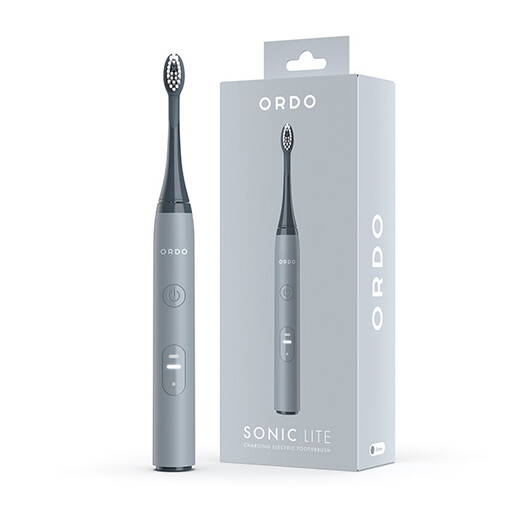
Why This Fits Their Persona: A simple entry point for UK adults moving from manual brushing, with USB-C charging and a compact design for everyday use.
Its specification states two modes, a 2-minute timer with quad pacing and over five weeks of battery life, avoiding unclear feature descriptions.
USB-C charging, two modes, travel-friendly design and a stated battery life of over five weeks.
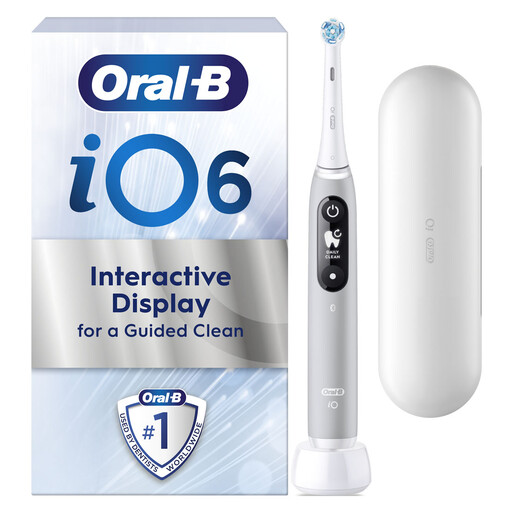
Why This Fits Their Persona: Suits shoppers who want visible feedback, several brushing options and app-connected guidance in one rechargeable handle.
The listing identifies five modes, a pressure sensor, an OLED display, a 2-minute timer and app connectivity rather than relying on general “smart” wording.
Five modes, colour display, pressure feedback, travel case and up to two weeks of stated battery life.
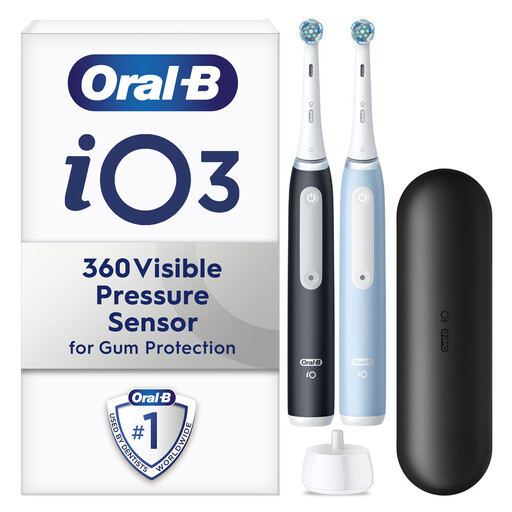
Why This Fits Their Persona: A practical choice for couples or users who want a visible pressure guide and a gentler mode without app dependence.
The product specification explicitly lists three modes, a 360-degree visible pressure sensor and 4×30-second timing prompts.
Two handles, three modes, pressure feedback, quiet operation and a stated battery life of up to two weeks.
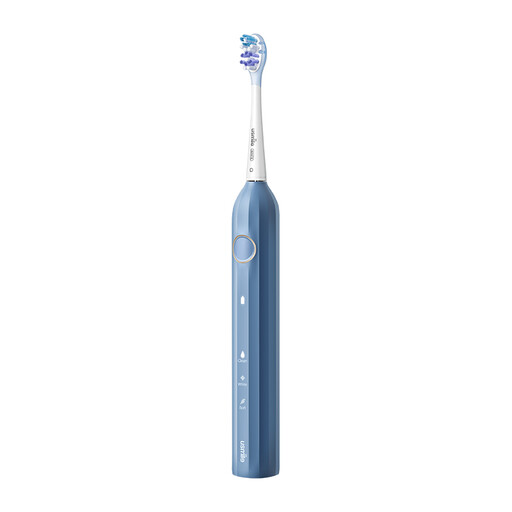
Why This Fits Their Persona: Designed for adults who want infrequent charging, three modes and a travel case for work trips or holidays.
The listing provides a smart timer, three cleaning modes, soft bristles, an IPX7 handle and a named travel case.
USB charging, soft bristles, 30-second timer prompts and a battery specification of up to 365 days, with usage instructions stating up to six months per charge.
We have compiled a complete, real-time list of products that fully satisfy these strict selection criteria and UK safety regulations.
Many manufacturers recommend replacing the head approximately every three months, or earlier if the bristles are frayed. Check the instructions for your specific model and confirm that replacement heads remain available before buying.
The main ongoing cost is usually replacement heads rather than electricity. A rechargeable handle uses relatively little power, but proprietary heads can cost more than universal-style replacements. Compare the price and availability of compatible heads as part of the total ownership cost.
Some product listings describe particular models as suitable for dental work and include gentle modes. However, individual needs vary. Use light pressure, select a sensitive setting where available and ask your dentist for guidance after oral surgery, during persistent discomfort or if bleeding continues.