
24/7 全天候客户支持

免费退货

当日/次日达

品质保障

开启新人专享福利: 全场免邮 | 低至 2 折 | 免费试用 30 天 JoyPlus 会员
下载 Joybuy
Moving from a manual to an electric toothbrush is a significant step towards improving your oral hygiene. However, the market is filled with a dizzying array of models, features and terminology. From sonic vibrations to smart-tracking apps, it can be difficult to determine which features are genuinely useful and which are just marketing noise.
This guide is designed to help you navigate the options. We will break down the key considerations for choosing a new electric toothbrush, highlight some popular models with distinct features and provide clear, practical advice to help you find the right tool for your needs and budget.
Before looking at specific models, understanding a few core features will make your decision much easier. Focus on these three areas to narrow down your search.
The primary difference between most electric toothbrushes lies in how the brush head moves.
Oral-B toothbrush range, uses a small, round brush head that rotates back and forth and pulsates. This action is designed to cup each tooth individually to scrub away plaque.sonic toothbrush, like those from Philips Sonicare and usmile, uses a brush head shaped more like a traditional manual brush. It vibrates at extremely high speeds (tens of thousands of movements per minute), creating a dynamic cleaning action that drives fluid between teeth and along the gumline for a thorough clean.The choice between them often comes down to personal preference, as both technologies are highly effective at plaque removal.
While advanced features can be appealing, three core functions provide the most significant benefits for daily use.
toothbrush with pressure sensor is a crucial feature that alerts you with a light, sound or change in vibration when you apply too much force. This is particularly useful for anyone with an electric toothbrush for sensitive gums or those new to powered brushing.A smart toothbrush typically uses Bluetooth to connect to a smartphone app, providing real-time feedback on your brushing coverage, pressure and duration. Some newer models integrate this feedback directly into a screen on the handle. This can be a great tool for improving your technique, but it is not an essential feature for achieving a great clean. Consider if you are the type of person who will consistently use the app or if a model with core features is a more practical choice.
Here are three models that cater to different needs, from the tech-focused user to the person seeking straightforward, effective cleaning.
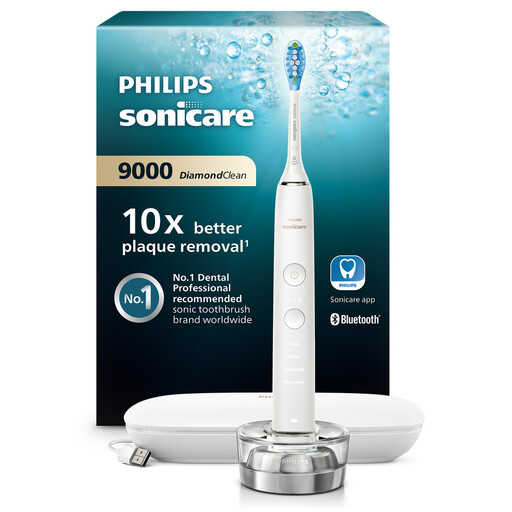
Why It Stands Out: This premium sonic toothbrush offers a comprehensive suite of features, combining powerful cleaning with smart coaching and a high-end design.
Pros:
Who is it for? This model is ideal for those who want to invest in a feature-rich device to actively improve their oral health. It suits tech-savvy users who will benefit from app-based feedback and anyone looking for a versatile whitening electric toothbrush with settings for sensitive gums.
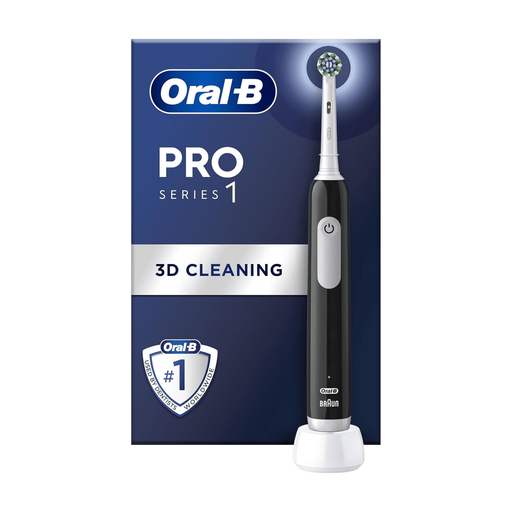
Why It Stands Out: The Oral-B Pro 1 focuses on the essential features that deliver a superior clean without the complexity of more advanced models, making it an excellent value proposition.
Pros:
Who is it for? Perfect for first-time electric toothbrush users or anyone seeking a reliable, no-fuss rechargeable toothbrush. It provides the core benefits of an electric clean—a timer, pressure sensor and effective plaque removal—at a very accessible price point.
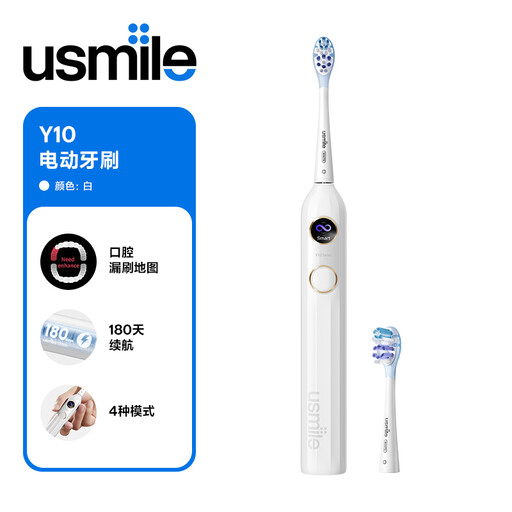
Why It Stands Out: This smart toothbrush innovates by integrating feedback directly into a handle-mounted screen, paired with an exceptional battery life that sets it apart.
Pros:
Who is it for? This brush is for the modern user who values data and convenience. If you want the feedback of a smart brush without the hassle of a companion app and you appreciate a device that rarely needs charging, the usmile Y10 is a compelling option.
The models highlighted here represent just a fraction of the available choices. If your needs call for different features, brush head types or price points, there are many other excellent devices to consider.
To see a wider selection, explore our full collection of dental cleaning device and find the perfect match for your oral care routine.
Neither technology is definitively superior; it largely comes down to personal preference. Sonic brushes, like those from Philips Sonicare, use a sweeping motion, while oscillating-rotating brushes, like those from Oral-B, use a scrubbing motion. Both are proven to be significantly more effective at removing plaque than a manual toothbrush. Some users prefer the feeling of the round, rotating head, while others prefer the more traditional shape of a sonic brush.
A toothbrush with pressure sensor is a highly valuable feature. Many people are unaware they brush too hard, which can lead to gum recession and enamel wear over time. The sensor provides an immediate alert, helping you learn the correct amount of pressure to apply. It is especially recommended for those with sensitive gums or anyone transitioning from a manual brush.
A whitening electric toothbrush works by being more efficient at removing surface stains caused by coffee, tea, red wine and smoking. By polishing away these external stains, the brush can help restore your teeth to their natural shade, making them appear brighter and whiter. However, it does not change the intrinsic colour of your teeth in the way a professional chemical whitening treatment would.