
24/7 Customer Support

Free returns

Same-day & Next-day Delivery

Quality Guaranteed

Unlock Your Welcome Offers: FREE Delivery | Up to 80% OFF | Free 30-day JoyPlus trial
Download the APP
Stepping up from a manual to an electric toothbrush can feel like a significant upgrade for your oral health. However, the market is flooded with models boasting features that sound impressive but often add more to the price tag than to your daily routine. As a Joybuy Product Recommendation Officer, my role is to help you see past the marketing jargon and focus on what truly matters.
Many UK shoppers find themselves caught in a few common traps. Before you spend your money, let's look at the pitfalls to avoid.
To make a smart purchase, focus on the core technology and practical features that deliver a better clean and protect your oral health. Here are the non-negotiable parameters to check.
Most electric toothbrushes fall into two camps: oscillating-rotating or sonic. A sonic toothbrush uses high-frequency vibrations (often over 30,000 strokes per minute) to agitate fluid and toothpaste around the teeth and along the gumline. This method creates microbubbles that reach between teeth and into tight spaces, helping to dislodge plaque more effectively than manual brushing alone. It's a powerful yet gentle technology that forms the basis of many modern, effective brushes.
One of the most common mistakes people make when brushing—manually or electrically—is applying too much force. This can lead to gum recession and enamel wear over time. A pressure sensor toothbrush is the solution. This built-in feature provides a clear alert, often a vibration in the handle or a light, when you are pressing too hard. Some advanced models even automatically reduce the brushing intensity to protect your gums. For anyone serious about their long-term oral health, this is not a feature to skip.
Your toothbrush should fit your lifestyle. A long battery life toothbrush means less clutter on your bathroom counter and less to pack for trips. Look for models that offer several weeks of use per charge under realistic conditions.
Equally important is the charging method. While many models still use a 2-pin plug common in UK bathrooms, a growing number of modern brushes feature USB charging. This offers greater flexibility, as you can charge it with the same cables used for your phone or other devices. If you travel, an electric toothbrush with a travel case is essential for keeping your brush handle and head clean and protected.
Based on these practical criteria, we've matched a few standout models to different user needs. These recommendations focus on products that deliver on their promises without unnecessary gimmicks.
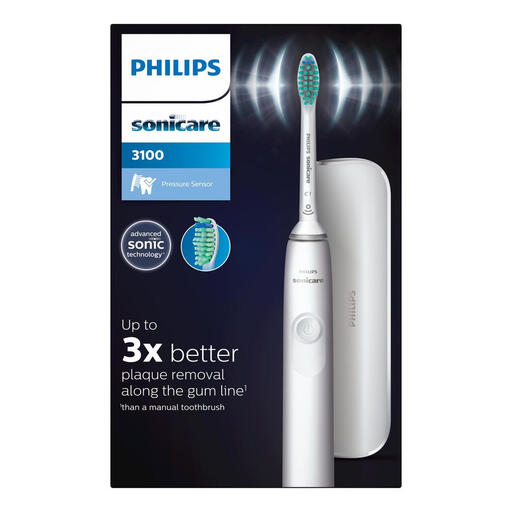
Why This Fits Their Persona: Ideal for those upgrading from a manual brush. It provides the essential features—a pressure sensor and timed pacer—without overwhelming the user with complex options, ensuring a solid foundation for better oral hygiene.
It sidesteps the "endless modes" fallacy by focusing on one highly effective cleaning mode, delivering a consistent and reliable clean every time.
Features a built-in pressure sensor to protect gums from over-brushing and a SmartTimer to encourage dentist-recommended brushing habits.
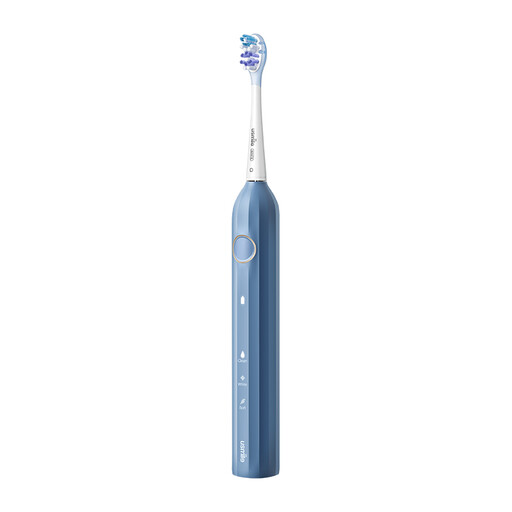
Why This Fits Their Persona: With a battery that lasts up to six months on a single charge and a sleek travel case, this is built for UK residents who travel frequently for work or leisure and value ultimate convenience.
It directly counters the "battery life mirage" by offering a genuinely exceptional battery duration, meaning you can leave the charger at home for even long trips.
Unparalleled long battery life (up to 6 months) and convenient USB charging, making it a highly practical rechargeable toothbrush.
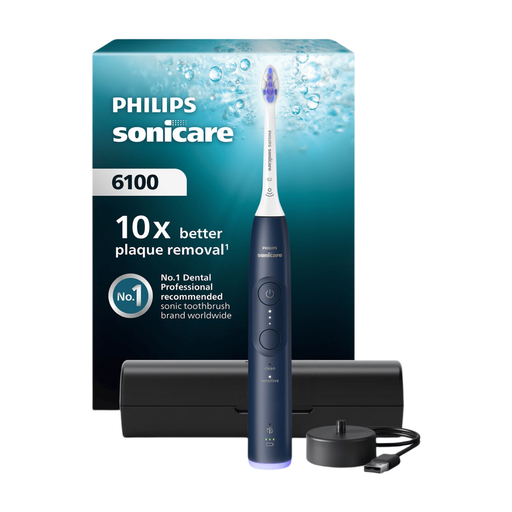
Why This Fits Their Persona: For users who want more control over their routine, this model offers distinct modes for cleaning, whitening and gum care, plus three intensity levels to match personal sensitivity.
The multiple modes provide tangible benefits, such as a dedicated teeth whitening toothbrush setting, rather than being redundant features that inflate the price.
Offers personalised cleaning with 3 modes and 3 intensities, plus a visual pressure sensor that actively reduces intensity if you brush too hard.
We have compiled a complete, real-time list of products that fully satisfy these strict selection criteria and UK safety regulations.
For hygiene and effectiveness, it is recommended to replace your brush head every three months. Many modern toothbrushes, including some Philips Sonicare models, have a built-in reminder system that alerts you when it's time for a change. The cost of replacement heads is an important long-term factor, so it's wise to check prices before committing to a specific model.
Yes, many people with sensitive gums find a sonic toothbrush more comfortable than manual brushing. The key is to choose a model with a 'Sensitive' mode and, crucially, a pressure sensor. For those with braces, the high-frequency vibrations of a sonic toothbrush can be very effective at cleaning around brackets and wires where plaque tends to accumulate. Always consult your dentist if you have specific concerns.
The primary difference is the motion of the brush head. A sonic toothbrush has a head that vibrates from side to side at very high speeds. An oscillating-rotating toothbrush has a small, round head that spins rapidly in one direction and then the other, often with a pulsating in-and-out motion. Both technologies are effective at removing plaque, and the choice often comes down to personal preference.