
24/7 Customer Support

Free returns

Same-day & Next-day Delivery

Quality Guaranteed

Unlock Your Welcome Offers: FREE Delivery | Up to 80% OFF | Free 30-day JoyPlus trial
Download the APP
Choosing an electric toothbrush should be straightforward, but product pages often make comparisons harder than they need to be. Vibration counts, app features and whitening language can distract from the details that affect everyday use.
Before buying, focus on three common traps:
A sonic electric toothbrush uses high-frequency vibration, while oscillating-rotating models move a smaller round brush head around individual teeth. Neither style automatically suits everyone. The more practical question is whether you can use the brush comfortably and consistently.
For sensitive gums, look for a dedicated Sensitive or Gum Care mode, soft or extra-soft replacement heads and a clear pressure warning. A higher number of modes is only useful if you are likely to use them.
An electric toothbrush with pressure sensor can help you recognise when you are pressing too firmly. Depending on the model, feedback may come through a light ring, vibration or a change in brushing speed. It is a useful feature for people who tend to scrub aggressively, although it does not replace gentle technique.
An electric toothbrush with timer normally uses a two-minute cycle, often divided into four 30-second intervals. This makes it easier to give each section of the mouth similar attention. Check whether the timer is clearly noticeable, particularly if you brush while half-awake or listen to music.
A rechargeable electric toothbrush is convenient for daily use, but quoted battery life varies according to mode, pressure and brushing frequency. A model rated for two weeks may be sufficient for most homes, while a long-lasting battery electric toothbrush can be more practical for frequent travel.
Also check:
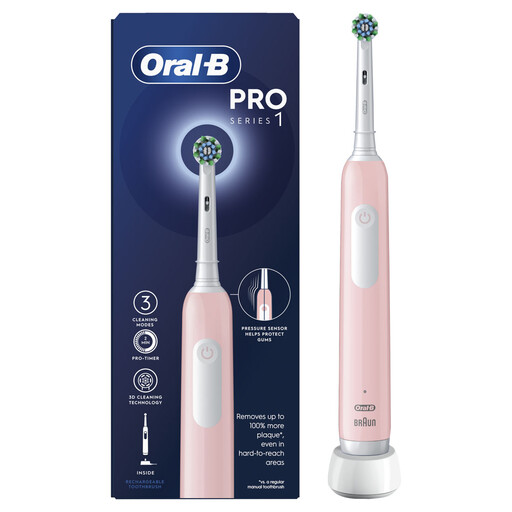
Why This Fits Their Persona: A practical entry point for UK shoppers who want rechargeable brushing, a timer and pressure feedback without app connectivity or a display.
It prioritises core features rather than headline smart functions. The product listing specifies a two-minute timer, pressure sensor and up to seven days of battery life.
Three modes and a replaceable round brush head provide straightforward everyday control.
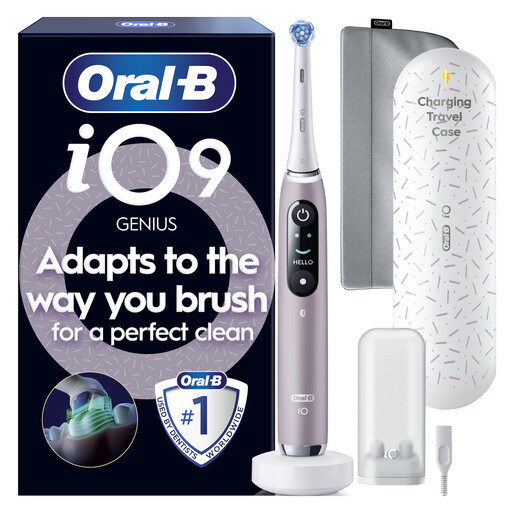
Why This Fits Their Persona: Suitable for adults who value guided brushing, a colour display and a travel case that can charge the handle and a phone.
Its features are clearly defined: seven modes, a two-minute timer, pressure feedback, app connectivity and up to two weeks of battery life. Buyers should still budget for iO-only brush heads.
OLED display, seven brushing modes and dual-function charging travel case.
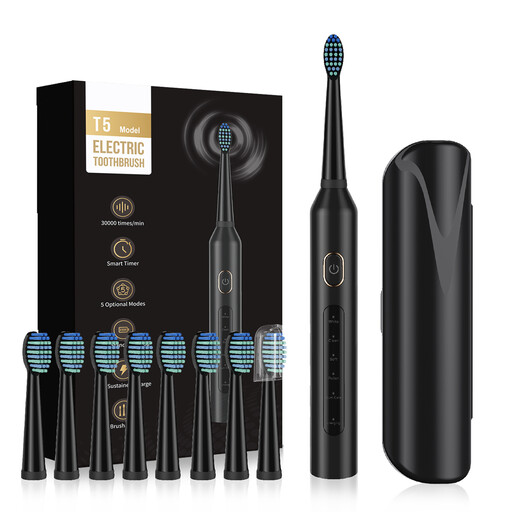
Why This Fits Their Persona: A useful choice for people who do not want to recharge frequently, including commuters, holiday travellers and households that keep a brush in more than one location.
The listing gives specific charging information rather than only saying “long-lasting”: approximately two hours to charge and up to 60 days of use.
Five modes, IPX7-rated water resistance, eight replacement heads and a travel case.
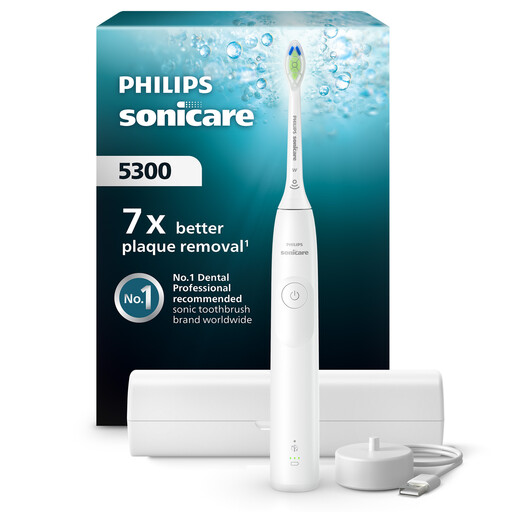
Why This Fits Their Persona: Designed for shoppers who prefer sonic brushing, pressure feedback and guided timing with a relatively simple control layout.
The pressure sensor, Gum Care option, SmartTimer and QuadPacer are practical controls rather than decorative smart features.
Three modes, up to two weeks of stated battery life, BrushSync replacement reminders and a slim travel case.
We have compiled a complete, real-time list of products that fully satisfy these strict selection criteria and UK safety regulations.
For children aged six and over, choose a children's electric toothbrush with a smaller head, extra-soft bristles, an easy-to-hold handle and a clear timer. The Oral-B Pro Junior includes three modes, a two-minute timer and a battery rated for up to a week. The Oral-B iO2 Junior Stitch Edition adds three gentle modes, pressure sensing, a travel case and an optional app experience.
Children should use the product according to the instructions, with adult supervision where required. Do not select an adult model simply because it has more modes or a faster motor.
The ongoing cost mainly comes from replacement brush heads and electricity. Charging uses relatively little power, but proprietary heads can differ significantly in price. Check availability and recommended replacement intervals before choosing a handle.
Lifespan depends on battery condition, charging habits, water exposure and general wear. A two-year warranty is common on several listed models, but warranty coverage is separate from expected service life. Stop using any handle, charger or cable that shows damage, unusual heat or other faults.
Yes. A model with a travel case is easier to pack hygienically. Confirm whether the case charges the handle, whether the charger uses a two-pin plug and whether you need a suitable adapter for your accommodation. Keep USB charging ports and cable connections dry before charging.