
24/7 Customer Support

Free returns

Same-day & Next-day Delivery

Quality Guaranteed

Unlock Your Welcome Offers: FREE Delivery | Up to 80% OFF | Free 30-day JoyPlus trial
Download the APP
Buying an electric toothbrush can make daily brushing more consistent, but the specification list is often more complicated than it needs to be. Terms such as sonic technology, AI tracking and long-lasting battery life may sound impressive, yet they do not always tell you whether a model suits your routine.
The main buying traps are usually practical:
A sonic toothbrush uses high-frequency bristle movement, while models such as the Oral-B iO electric toothbrush use a round head with magnetic drive technology and micro-vibrations. Neither description alone determines whether the handle is suitable for you. The important questions are whether you can control the intensity, whether the head feels comfortable and whether replacement heads are readily available.
For everyday use, useful modes may include Daily Clean, Sensitive, Gum Care or Whitening. More modes can help households with different preferences, but a first-time buyer may find three clearly labelled settings easier to use than seven.
A built-in electric toothbrush with pressure sensor can alert you when you are pressing too firmly. This is particularly useful for people with sensitive gums or anyone moving away from manual brushing. The alert may be visual, audible or linked to a reduction in brushing speed, depending on the model.
An electric toothbrush with timer should support a full two-minute session. Many models also provide 30-second prompts, known as quadrant pacing, to encourage you to move around the mouth rather than repeatedly brushing the same area.
These features support technique, but they do not replace regular dental care. If brushing causes persistent discomfort or bleeding, stop using the device and speak to a dental professional.
A rechargeable electric toothbrush is convenient, but battery claims need careful reading. The products below range from around two weeks of stated use to several months per charge. Your actual result will depend on brushing frequency, mode and battery condition.
Frequent travellers should look for an electric toothbrush with travel case, a compact charger and a charging system that matches your destination. Several listed products use a UK 2-pin plug, which is standard for low-power appliances such as electric toothbrushes and shavers. If your socket requires three pins, use a suitable adapter. Do not use a damaged charger and keep charging equipment dry.
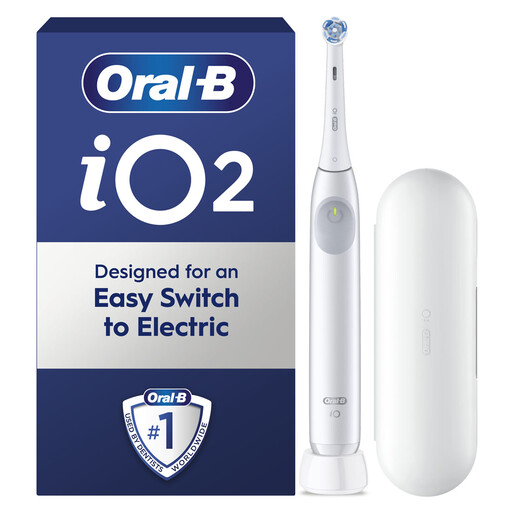
Why This Fits Their Persona: A practical entry point for UK adults switching from a manual toothbrush, with one-button operation and useful guidance rather than a complex app-led setup.
It states three intensity levels, a two-minute timer and an automatic pressure alert, so core functions are not hidden behind connected features.
Three modes, quiet operation, rechargeable battery and a travel case are specified. It uses Oral-B iO replacement heads only.
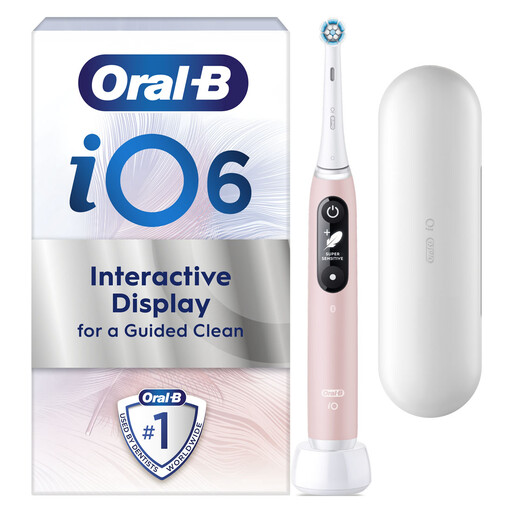
Why This Fits Their Persona: Suits adults who want adjustable care for sensitive gums alongside app guidance, an interactive display and a more personalised brushing routine.
Sensitive and Gum Care modes are listed separately, while the smart pressure sensor provides a visible reminder about brushing force.
Five modes, OLED display, app compatibility, two-minute timer and stated battery life of up to two weeks. A travel case is included.
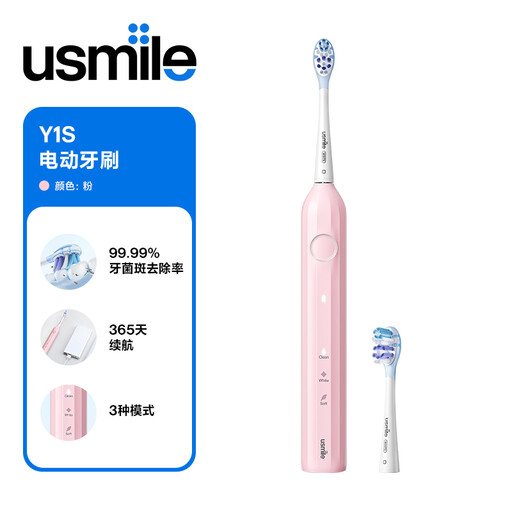
Why This Fits Their Persona: A useful option for commuters, travellers and anyone who dislikes frequent charging, with USB charging and a compact travel case.
Its stated battery figure is clearly presented as up to six months, rather than using only a vague “long-lasting” description.
Three cleaning modes, soft bristles, IPX7-rated handle, smart two-minute timer and USB charging are specified. The charger should be kept away from water.
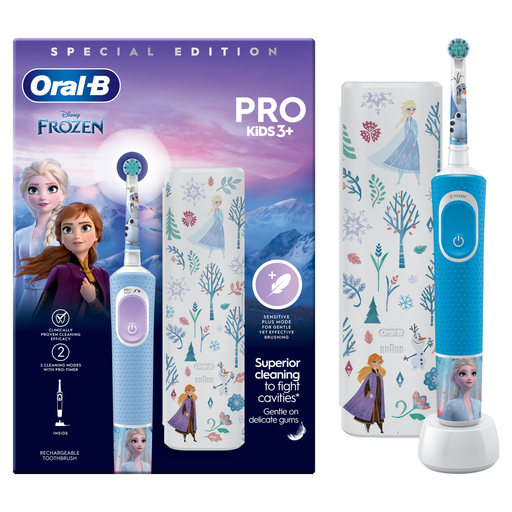
Why This Fits Their Persona: Designed for children aged three and over, it combines a smaller round head, extra-soft bristles and a themed handle to make supervised brushing more engaging.
The age suitability, kid-sized head and gentle mode are stated clearly. It does not claim app connectivity or pressure sensing where those features are not listed.
Two modes, a two-minute timer with 30-second reminders, rechargeable power and a travel case are included. Adult supervision is required.
Before choosing an electric toothbrush, check:
We have compiled a complete, real-time list of products that fully satisfy these strict selection criteria and UK safety regulations.
The handle may last several years when stored and charged according to its instructions, but brush heads generally need replacing around every three months or sooner if the bristles fray. Check the model’s replacement indicator and manufacturer guidance.
The main ongoing cost is replacement brush heads. Charging uses relatively little electricity, but the total cost depends on the head price, replacement frequency and whether the model uses a proprietary head. Compare these details before buying.
Children aged three and over may use a suitable children’s electric toothbrush with adult supervision. Choose a small head, soft bristles and an age-appropriate mode. Children should not clean or charge the appliance without supervision.