
24/7 Customer Support

Free returns

Same-day & Next-day Delivery

Quality Guaranteed

Unlock Your Welcome Offers: FREE Delivery | Up to 80% OFF | Free 30-day JoyPlus trial
Download the APP
An electric toothbrush can make a daily brushing routine easier to follow, but choosing the right model involves more than comparing vibration speed or promotional plaque-removal percentages. UK shoppers often overlook brush-head costs, charging compatibility and pressure control — details that can affect whether a toothbrush remains practical after the first few months.
This guide explains the features worth paying attention to, common marketing traps and which type of rechargeable electric toothbrush may suit different routines.
Many product listings compare plaque removal with a manual toothbrush using percentages such as “up to 7x” or “up to 10x”. These figures may refer to a brand’s own testing conditions, brush head, usage technique or comparison method. They should not be treated as a guarantee of personal results.
Instead, look for practical features that support consistent brushing:
A model with five modes, app tracking and a colour display may appear attractive, but additional settings can increase the purchase price and make the controls less straightforward. If your main aim is reliable daily brushing, one or two well-designed modes may be sufficient.
Conversely, people with sensitive gums, whitening goals or a strong interest in routine tracking may benefit from adjustable intensity and dedicated modes. The useful question is not how many features a toothbrush has, but whether you will use them regularly.
Check the charging method before buying. Several products listed for the UK include a two-pin plug, which is commonly used with compatible bathroom shaving sockets. If you intend to use a standard three-pin socket, you may need a suitable adapter.
Also check:
A low purchase price can become less economical if replacement heads are difficult to source or the battery needs frequent charging.
A sonic electric toothbrush uses rapid vibrations to move the brush head and toothpaste mixture across the teeth and gumline. Philips Sonicare electric toothbrush models in this guide use sonic technology.
Oral-B electric toothbrush models commonly use a round head with oscillating, rotating or micro-vibrating action, depending on the range. Neither label alone guarantees a better personal outcome. Technique, brushing time and gentle coverage remain important.
A pressure sensor can alert you when you are brushing too hard. Some models provide a light or vibration warning, while selected Philips models can also reduce intensity. This feature may be particularly useful if you are moving from a manual brush and are accustomed to scrubbing firmly.
For sensitive gums, prioritise:
A sensitive gum electric toothbrush should still be used gently. If you have persistent discomfort, bleeding or an existing dental condition, seek advice from a dentist rather than relying on a device setting.
A rechargeable electric toothbrush with a travel case is useful for commuting, holidays and work trips. Battery claims are normally based on twice-daily brushing and can vary with mode and intensity.
For frequent travel, compare the case size, charging arrangement and whether the case protects the brush head. A water flosser can also complement an electric toothbrush when you want additional cleaning between teeth, although it does not replace brushing with fluoride toothpaste.
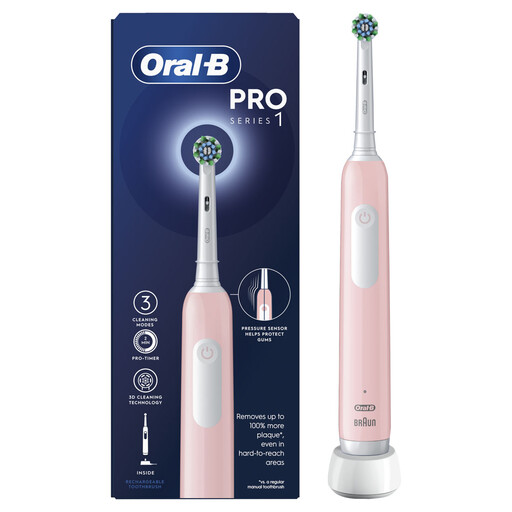
Why This Fits Their Persona: A straightforward rechargeable model for adults upgrading from a manual brush without needing app connectivity or an extensive control panel.
It concentrates on core functions rather than costly connected features, while retaining a pressure sensor and two-minute timer.
Three modes, a round brush head and up to seven days of stated battery use.
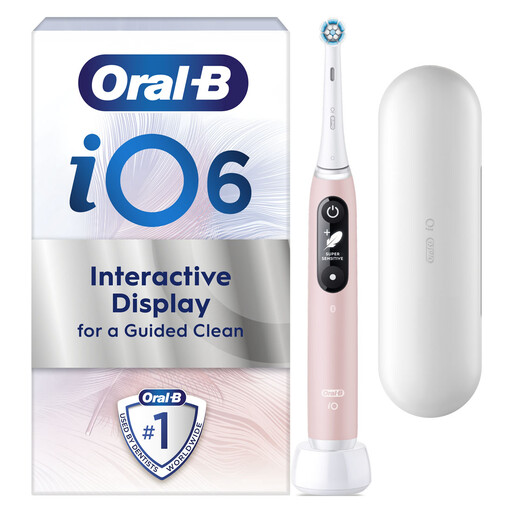
Why This Fits Their Persona: Suits shoppers who value guided brushing, several modes and a travel case and are comfortable using app-linked features.
The display and pressure light make feedback visible, rather than leaving pressure control to guesswork.
Five modes, an OLED display, app guidance, a travel case and up to two weeks of stated battery use.
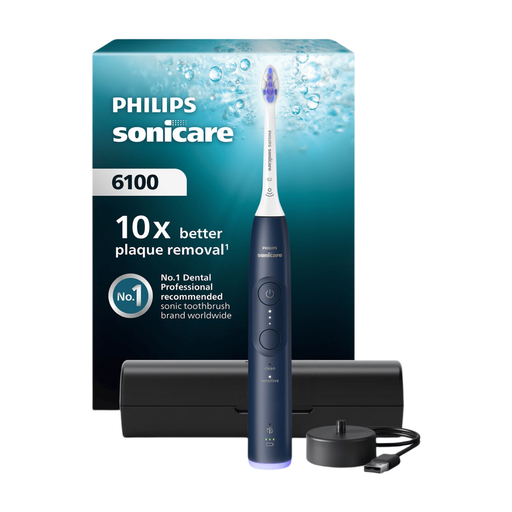
Why This Fits Their Persona: A practical match for shoppers who want a whitening setting, adjustable intensity and visible pressure feedback in one device.
Its pressure sensor and three intensity levels provide more control than a fixed-strength brush.
Clean, White and Gum Care settings, three intensities, BrushSync replacement reminders and a travel case.
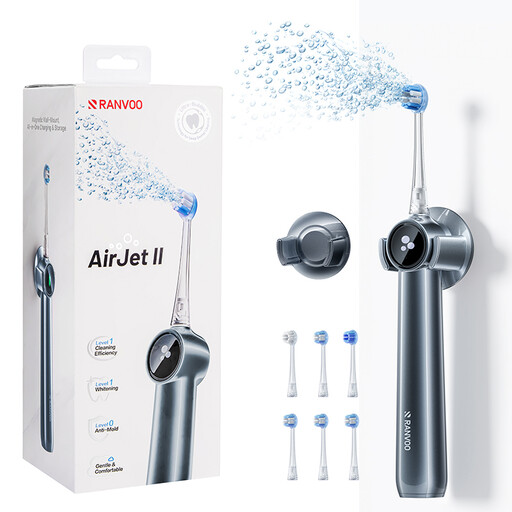
Why This Fits Their Persona: Its long stated battery duration and magnetic charging stand suit people who travel often or prefer fewer charging interruptions at home.
The included heads, four modes and two-minute timer offer visible everyday utility rather than a single headline claim.
Four cleaning modes, IPX7 waterproofing, magnetic charging and up to 50 days of stated use in gentle mode.
We have compiled a complete, real-time list of products that fully satisfy these strict selection criteria and UK safety regulations.
An electric toothbrush cleans tooth surfaces and the gumline, while a water flosser directs a stream between teeth and around orthodontic appliances. The BAIR CARE V6 is a compact USB-rechargeable option with a folding 10cm design, IPX7 waterproofing, a detachable magnetic tank and up to 30 days of stated battery use.
Its press-and-spray mode may be useful for first-time users who want more control over the water stream. Use clean water, empty the tank after use and allow the components to dry. If you have recently had oral surgery, ask your dentist before using a water flosser.
Yes. An electric toothbrush is used with toothpaste, not as a replacement for it. The Colgate Total Plaque Pro-Release Whitening Toothpaste listed here contains 1,450 ppm sodium fluoride and is labelled for use by adults and children aged seven and over, subject to the packaging directions. Check the label if you receive fluoride from other sources and follow UK dental guidance.
There is no single lifespan for every model. Battery performance, charging habits, water exposure and brush-head replacement all matter. Replace the brush head when it is worn or according to the manufacturer’s guidance, commonly around three months. Stop using the handle, charger or cable if you notice cracks, damage, unusual heat or malfunction.
The main ongoing cost is replacement brush heads. Compare the price and availability of compatible heads before buying. Electricity use is generally limited to charging the internal battery, but the exact cost depends on the charger, charging frequency and household electricity tariff.
A whitening mode or polishing-style brush head may help remove some surface staining when used correctly. It will not change the natural internal colour of teeth or replace professional dental treatment. For everyday use, choose a fluoride toothpaste and avoid pressing hard, as aggressive brushing can irritate gums and damage tooth surfaces.