
24/7 Customer Support

Free returns

Same-day & Next-day Delivery

Quality Guaranteed

Unlock Your Welcome Offers: FREE Delivery | Up to 80% OFF | Free 30-day JoyPlus trial
Download the APP
Switching from a manual to an electric toothbrush can feel like a significant step up for your oral hygiene. However, the market is flooded with models boasting a dizzying array of features, making it difficult to distinguish genuine innovation from marketing hype. Many UK shoppers find themselves either overspending on features they never use or buying a model that proves frustratingly impractical within months.
As a Joybuy Product Recommendation Officer, my role is to help you navigate these choices. We will look past the flashy packaging and focus on the practical realities of daily use. This guide highlights the common pitfalls to avoid and the core features that truly matter, ensuring your investment improves your dental health without draining your wallet.
Before diving into specifications, let's identify the most frequent mistakes that lead to buyer's remorse.
To make a smart choice, focus on the functional aspects that deliver a better, safer clean. Here are the three non-negotiable features to check.
This is the fundamental difference in how electric toothbrushes work, and the choice largely comes down to personal preference.
Neither technology is definitively superior; both are excellent at removing plaque. The key is to choose the one that feels most comfortable for you.
If you are upgrading from a manual brush, this is arguably the most important feature you can get. An electric toothbrush with a pressure sensor provides a visual or sensory alert (like a light or a change in vibration) when you are pressing too hard. This simple mechanism is crucial for preventing gum recession and enamel wear, a common issue for those accustomed to vigorous manual brushing. It is an essential safeguard for long-term oral health, especially for users with sensitive teeth.
Look beyond the advertised battery duration and consider the charging method. A model with a standard USB-C port is incredibly practical, allowing you to charge it with the same cable as your phone or laptop, making it ideal for travel. Many models still use a traditional UK 2-pin shaver plug, which is perfectly fine if you have a dedicated socket in your bathroom, but can be a hassle otherwise. For those who travel frequently, a long-lasting battery combined with a protective travel case is a must.
To help you find the right fit, we have matched some standout models to different user needs, explaining how they address the common pitfalls.
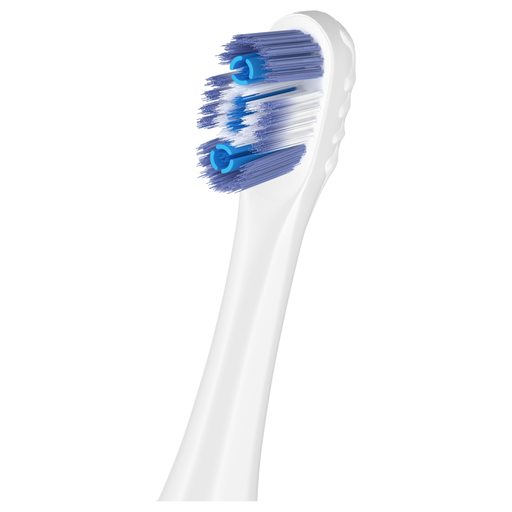
Why This Fits Their Persona: This is an excellent entry point for anyone curious about electric toothbrushes but not ready for a significant financial commitment. It offers the benefits of sonic cleaning technology in a simple, accessible and familiar format.
It completely sidesteps the "too many modes" trap with its straightforward on/off operation. As a battery-powered model, it also avoids the issue of inconvenient chargers and has a very low initial cost.
Provides an introduction to sonic cleaning power at a fraction of the cost of rechargeable models. Its battery operation makes it inherently portable.
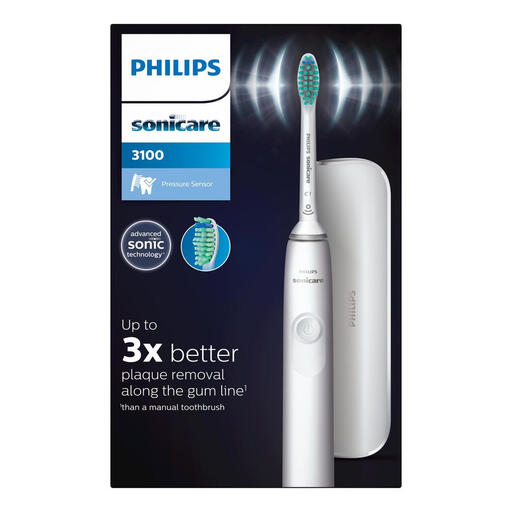
Why This Fits Their Persona: This user wants a reliable, effective upgrade without unnecessary complexity. The Sonicare 3100 delivers core, high-value features from a reputable brand, focusing on a better clean and gum protection.
It focuses on the essentials: a pressure sensor, a two-minute timer and one effective cleaning mode. The inclusion of a USB-charging travel case directly solves the impractical charger problem, making it great for home and away.
Features a built-in pressure sensor to protect gums and a convenient USB charging travel case. It provides a premium sonic clean without the premium price tag of higher-end models.
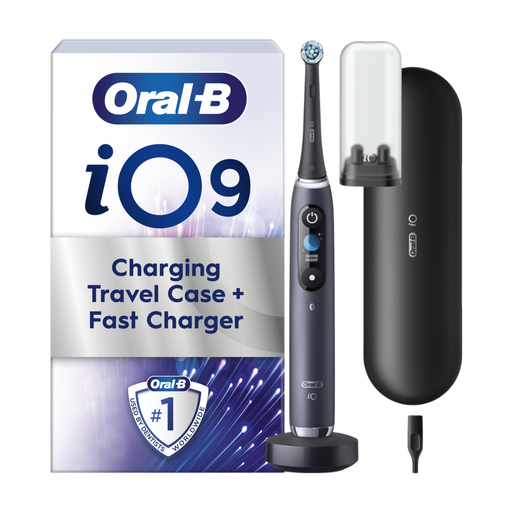
Why This Fits Their Persona: This user wants the most advanced technology to track and improve their brushing habits. The iO9 is a smart electric toothbrush that offers detailed feedback, app connectivity and a premium user experience from the unboxing to the daily clean.
For this specific user, the multiple modes and smart features are not a "trap" but the main reason for purchase. The value is in the data and personalisation it provides. The fast magnetic charger also addresses the practical charging concern.
Features AI-powered 3D teeth tracking for real-time guidance via the Oral-B app. The interactive colour display and smart pressure sensor provide a comprehensive, guided brushing experience.
We have compiled a complete, real-time list of products that fully satisfy these strict selection criteria and UK safety regulations.
Most manufacturers, including Oral-B and Philips, recommend replacing your brush head every three months. Over time, bristles become frayed and less effective at removing plaque. Many modern brush heads feature indicator bristles that fade in colour to provide a clear visual reminder when it is time for a replacement.
Yes, an electric toothbrush can be highly beneficial for both. If you have sensitive teeth, look for a model with a dedicated 'Sensitive' mode and, crucially, a pressure sensor to prevent you from brushing too hard. For those with braces, major brands offer specially designed orthodontic brush heads that are shaped to clean effectively around brackets and wires. It is always a good idea to consult your dentist for personalised advice.
The main difference is the motion. A sonic toothbrush has a brush head that moves side-to-side at very high speeds, using vibrations to clean. An oscillating-rotating toothbrush has a small, round head that spins rapidly in one direction and then the other. Both are proven to be highly effective for plaque removal. The choice often comes down to which cleaning sensation you prefer; some find the sonic vibration gentler, while others prefer the polishing feel of an oscillating head.