
24/7 Customer Support

Free returns

Same-day & Next-day Delivery

Quality Guaranteed

Unlock Your Welcome Offers: FREE Delivery | Up to 80% OFF | Free 30-day JoyPlus trial
Download the APP
Making the switch to an electric toothbrush can feel like a significant step up for your oral hygiene. With claims of superior plaque removal and a dentist-clean feel, it's easy to see the appeal. However, the market is flooded with models boasting features that sound impressive but often add more to the price tag than to your daily routine. As the Joybuy Product Recommendation Officer, my role is to help you see past the marketing jargon and focus on what truly matters.
Before you invest, let's look at a few common pitfalls that UK shoppers encounter. Understanding these can save you both money and frustration down the line.
To make a smart choice, you don't need to be a tech whiz. Just focus on a few key parameters that directly impact your daily cleaning experience.
This is the fundamental difference between most electric toothbrush models.
sonic toothbrush uses a different method. The brush head, often shaped more like a manual toothbrush, vibrates at extremely high speeds (tens of thousands of strokes per minute). This creates fluid dynamics that help clean between teeth and along the gumline. It's a different sensation, one that some people find gentler. Neither is definitively superior; the choice often comes down to personal preference and what feels most comfortable and effective for your teeth.If there is one feature you should not compromise on, it is this. An electric toothbrush with pressure sensor is designed to prevent one of the most common causes of gum damage: brushing too hard. When you apply too much force, the brush will alert you by lighting up, vibrating differently or even slowing down its motor. This simple feedback mechanism helps protect your enamel and gums, making it an essential feature for both beginners and seasoned users.
While you can ignore the seven-plus mode models, having a few core options is useful. A good baseline is a brush with Daily Clean, Sensitive and perhaps a whitening electric toothbrush mode. The 'Sensitive' mode is particularly important if you have electric toothbrush for sensitive gums, as it uses a lower intensity.
Almost all models now include a two-minute timer, often with 30-second pulses to guide you through the four quadrants of your mouth. This is a simple but highly effective feature for ensuring a thorough and consistent clean every time.
Based on these practical criteria, here are a few recommendations matched to different user needs.
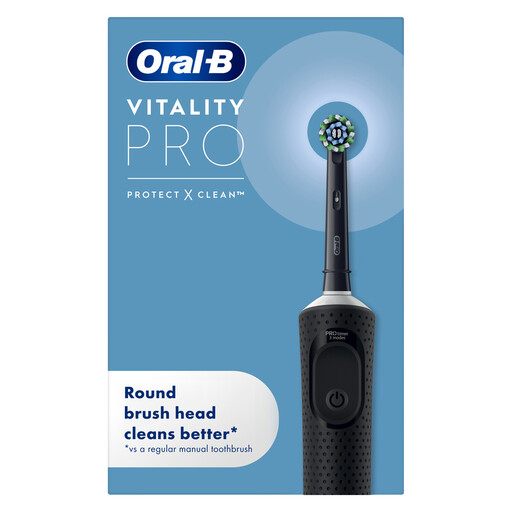
Why This Fits Their Persona: This is an ideal first step into electric brushing. It provides the core benefits—a superior clean and a built-in timer—without the confusing and costly extras. It's a reliable workhorse from a trusted brand.
It avoids the "too many modes" pitfall by offering just three practical options: Daily Clean, Sensitive and Sensitive Plus. This covers all essential needs without overwhelming the user.
Features the dentist-inspired round brush head for effective plaque removal and an integrated 2-minute quadrant timer. Replacement heads are widely available and affordable.
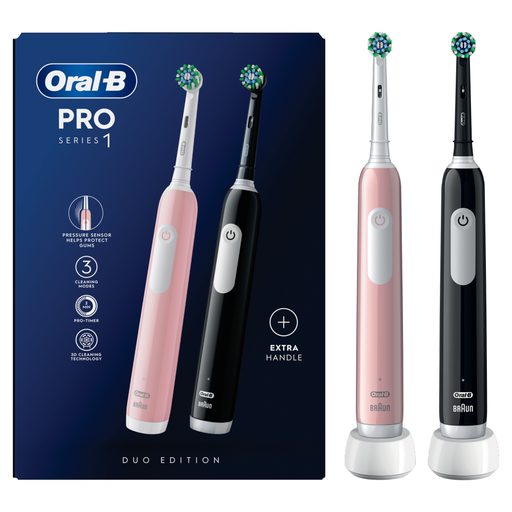
Why This Fits Their Persona: This `electric toothbrush duo pack` offers excellent value for a couple or household. You get two complete handles with all the essential features, including the crucial pressure sensor, sharing a single charging base to save surface space.
It avoids paying for redundant features. Instead of buying two separate, expensive brushes, this pack provides two highly capable units for a much lower combined cost, focusing on core performance.
Includes the essential gum pressure sensor to protect gums and 3D cleaning action. The three modes (Daily, Sensitive, Whitening) cover all the bases for two different users.
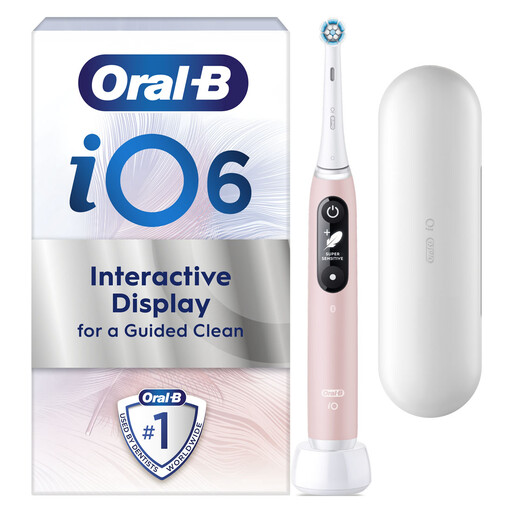
Why This Fits Their Persona: For those who appreciate technology that improves their daily routine, the iO6 is a significant upgrade. It uses magnetic iO technology for a powerful yet quiet clean and offers smart features like AI position detection and app-based coaching.
While it has 5 modes, the connected app provides real-time guidance, helping you understand when and how to use them. This turns potentially unused features into a personalised oral care plan.
The interactive OLED display provides at-a-glance feedback, and the multi-colour smart pressure sensor gives precise guidance. Includes a `travel electric toothbrush` case for protection on the go.
We have compiled a complete, real-time list of products that fully satisfy these strict selection criteria and UK safety regulations.
Most electric toothbrushes come with a 2-pin plug. This is designed to fit the shaver sockets found in many UK bathrooms. If your bathroom doesn't have one, you will need a simple 2-pin to 3-pin adapter to plug it into a standard wall socket. These are widely available and do not affect the performance or safety of your rechargeable toothbrush.
Dentists and manufacturers generally recommend replacing your brush head every three months or sooner if the bristles become visibly frayed or worn. Using a worn brush head is less effective at removing plaque. The cost of replacement heads varies, so it is a good idea to check the price of multi-packs for your chosen model to understand the long-term running cost.
There is no definitive answer to this, as both technologies are highly effective at removing plaque. The choice largely comes down to personal preference. Some people prefer the focused, scrubbing feel of an oscillating-rotating brush, while others enjoy the high-frequency vibrations of a sonic model. If you have sensitive teeth or gums, you may find one type more comfortable than the other, so it can be worth trying both if you get the chance.