
24/7 Customer Support

Free returns

Same-day & Next-day Delivery

Quality Guaranteed

Unlock Your Welcome Offers: FREE Delivery | Up to 80% OFF | Free 30-day JoyPlus trial
Download the APP
Buying an electric toothbrush should make daily brushing simpler, not turn it into a confusing technology purchase. Yet product listings often focus on vibration counts, app connectivity and dramatic plaque-removal claims while leaving out details that affect everyday use.
Three common traps deserve attention:
The right choice depends on how you brush, where you use it and how much you want to spend on replacement heads and charging accessories.
The two main formats are oscillating-rotating and sonic.
An oscillating-rotating model uses a small, usually round head that moves around each tooth. The Oral-B electric toothbrush range includes models with round heads and different levels of pressure feedback. This style can suit shoppers who prefer guiding the brush from tooth to tooth.
A sonic electric toothbrush uses rapid side-to-side movement. Models such as the Philips Sonicare electric toothbrush range, Ordo Sonic Lite and usmile Y1S are designed around this format. Sonic models can feel smoother and cover a larger area, although the sensation varies between users.
Check the replacement-head price and availability before buying. A handle can be affordable initially but cost more over time if compatible heads are limited to one premium range. For example, the Oral-B iO9 and iO6 are compatible with Oral-B iO heads only, unlike some wider-compatible Oral-B handles.
An electric toothbrush with pressure sensor can help you notice when you are pressing too firmly. This is particularly useful for first-time users and people who find brushing uncomfortable. However, a pressure sensor is a guide rather than a guarantee of correct technique.
Look for:
The Oral-B iO6 includes a multi-colour pressure sensor, Sensitive and Gum Care modes, an OLED display and app guidance. The more advanced iO9 adds seven modes, real-time coverage guidance and 3D teeth tracking. These features may suit shoppers who enjoy detailed feedback, but they add cost and complexity.
A useful electric toothbrush with timer should provide a two-minute cycle and 30-second prompts to move between sections of the mouth. This feature appears on products ranging from entry-level Oral-B models to premium smart handles.
Battery life is another practical consideration:
Also check the charging arrangement. Several Oral-B products supplied through Joybuy include a UK 2-pin plug, intended for low-power bathroom appliances such as toothbrushes and shavers. If your socket does not accept it, use a suitable adaptor. USB-C models such as Ordo Sonic Lite may be more convenient if you already carry compatible charging equipment, while inductive chargers and magnetic stands keep charging more dedicated to the bathroom.
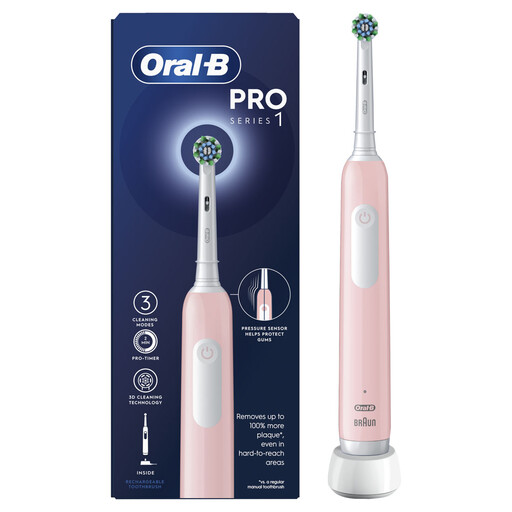
Why This Fits Their Persona: A straightforward rechargeable option for adults moving from a manual brush, with simple controls and a familiar charging stand.
It focuses on practical features rather than app connectivity: three modes, a pressure sensor and a two-minute timer.
Rechargeable Ni-MH battery, round brush head and 30-second zone reminders.
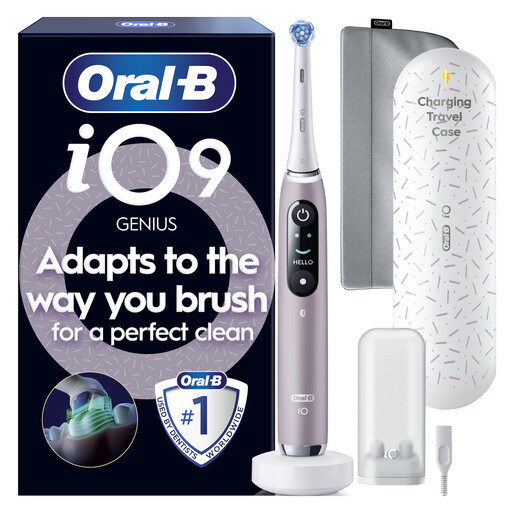
Why This Fits Their Persona: Suits users who want detailed brushing feedback, several modes and a travel case that can charge the handle while away from home.
Its feature list is clear about what you are paying for: seven modes, pressure feedback, an OLED display and app compatibility.
Up to two weeks of battery life and a dual-charging travel case. Brush heads are iO-specific.
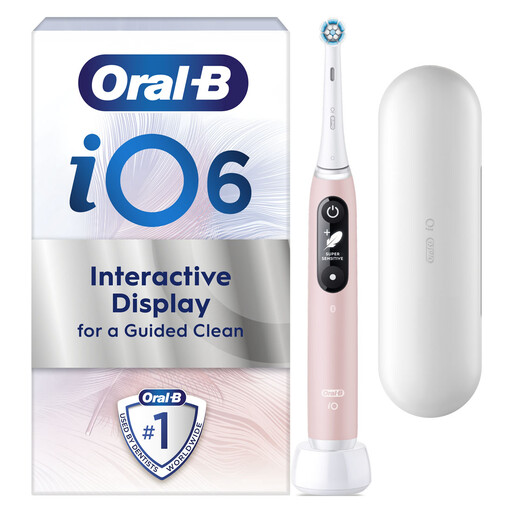
Why This Fits Their Persona: A suitable match for users seeking gentler settings and pressure awareness without the full seven-mode specification of the iO9.
Sensitive and Gum Care modes, together with a multi-colour pressure sensor, make the controls more relevant than headline speed figures.
Five modes, OLED display, app guidance, travel case and up to two weeks of stated battery life.
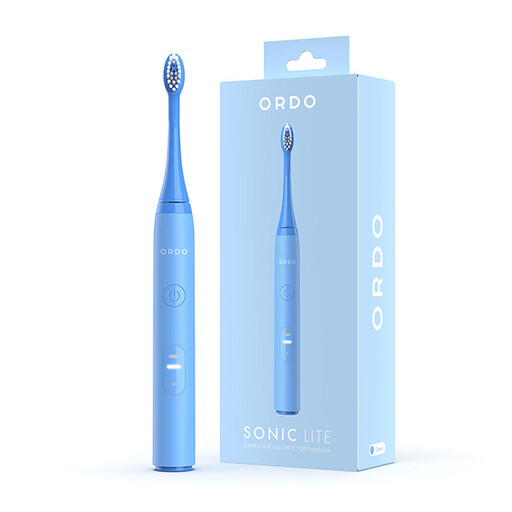
Why This Fits Their Persona: Its USB-C charging, waterproof body and stated five-plus-week battery life are practical for commuting, holidays and busy households.
It prioritises battery duration and charging convenience instead of adding an app or an unnecessarily large selection of modes.
35,000 sonic pulses per minute, two modes, a two-minute quad-pacer timer and USB-C charging.
We have compiled a complete, real-time list of products that fully satisfy these strict selection criteria and UK safety regulations.
Before choosing a premium electric toothbrush, calculate the ownership cost. Include replacement heads, charging equipment, warranty length and whether a travel case is included. A long-lasting battery electric toothbrush may be worthwhile if you travel frequently, but it does not remove the need to replace worn brush heads.
Avoid using harder pressure to compensate for a gentle setting. Let the bristles make contact while guiding the handle slowly. If brushing causes persistent discomfort, bleeding or irritation, stop using the product and seek advice from a dentist.
A rechargeable model avoids regular disposable batteries, although it still requires replacement brush heads and electricity for charging. Running cost depends mainly on the price and replacement interval of compatible heads.
The handle can last for several years when kept clean, dry and undamaged, but battery capacity may gradually decline. Follow the manufacturer’s care instructions, use the supplied or approved charger and replace the brush head when it becomes worn.
Most cordless toothbrushes can be packed for travel, but charging arrangements vary. A model with an electric toothbrush with travel case can protect the handle and heads. Check the charger, USB requirements and airline guidance before travelling, particularly when carrying spare lithium-battery equipment.