What to check before buying
For brushing around intact fillings, decide which matters most to you: positioning the head, controlling pressure or keeping replacement heads and charging practical.
| Concern |
What to check |
Who this matters to |
| Access around fillings |
Check whether the supplied head is comfortable to position against individual teeth and along the gumline. A timer may help if you tend to rush. |
If I need to clean carefully beside a filling, I want to reach each tooth surface without sweeping past it. Around 40% of consumers may put precise access first. |
| Brushing pressure |
Confirm what the exact model does when you press too hard: show an alert, change its vibration or both. |
When I catch myself pressing hard, I want a prompt to ease up while I brush. For around 40% of consumers, pressure feedback may be the primary concern. |
| Ongoing use |
Check compatible replacement heads and the recommended change interval. For a rechargeable model, confirm that the supplied charger suits your intended socket. |
I want to know that I can continue using the brush with suitable heads and a suitable charger. Keeping those essentials practical may come first for around 20% of consumers. |
Joybuy toothbrush choices
These choices include electric brushes with pressure-sensor features in their product titles and a slim-tip battery-powered brush. Compare the exact head, replacement options and charging arrangements against the way you brush around intact fillings.
 No image available
Oral-B Pro 1 Electric Toothbrush, 3 Modes, Pink
Consider this round-head brush if you want a pressure cue while cleaning carefully around intact fillings.
The product title specifies three modes, a brushing timer and a pressure sensor. Check the supplied head’s size and the charger arrangement against your preferences and intended socket.
Joybuy
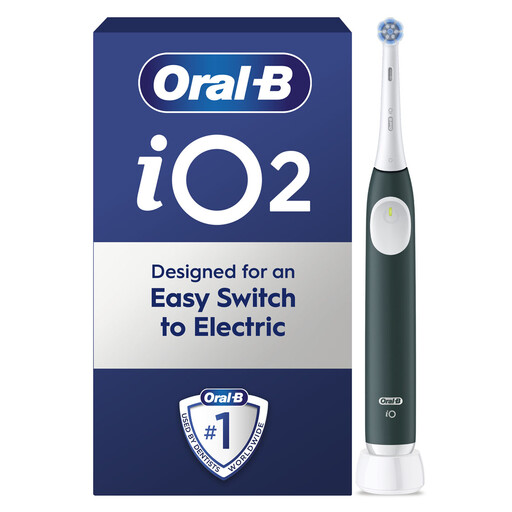 No image available
Oral-B iO2 Electric Toothbrush, 3 Modes, Forest Green
This model is an option if a pressure cue is important when you tend to brush too firmly.
The product title identifies three modes and an automatic pressure sensor. Before choosing it for precise placement, check the supplied head’s size and which replacement heads fit.
Joybuy
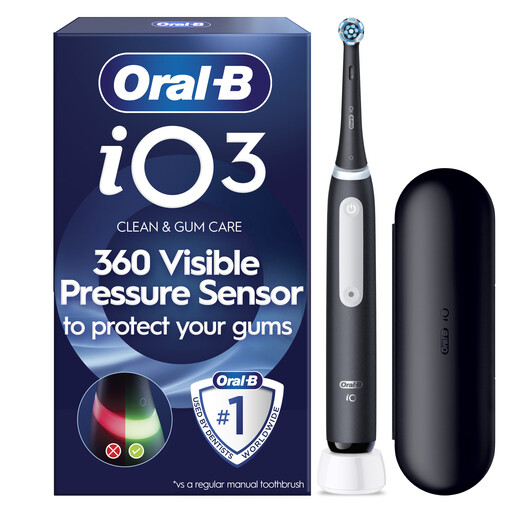 No image available
Oral-B iO3 Electric Toothbrush with Travel Case, Black
Consider the iO3 if visible pressure feedback would help you brush with less force around intact fillings.
The product title specifies three modes, a visible pressure sensor, a brushing timer and a travel case. Oral-B also identifies a round head for the iO3; check whether the supplied head’s size suits your tooth-by-tooth routine.
Joybuy
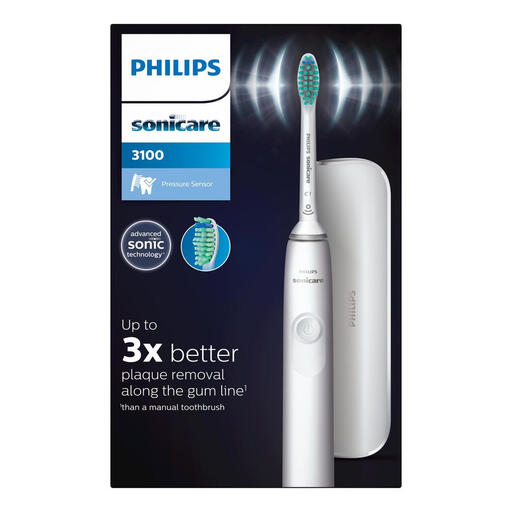 No image available
Philips Sonicare 3100 HX3673/13 with Travel Case, White
This sonic brush may suit you if you want a timer and pressure feedback to support deliberate brushing.
The product title specifies a two-minute SmartTimer, pressure sensor and travel case. Check the supplied head’s size and compatible head options for this HX3673/13 variant.
Joybuy
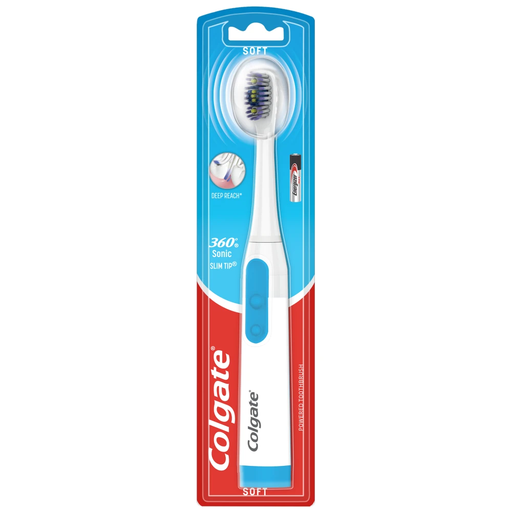 No image available
Colgate 360 Sonic Slim Tip Battery-Powered Toothbrush
Consider the slim-tip head if positioning the brush along individual teeth is your main priority.
This is a battery-powered sonic toothbrush. If you rely on pressure alerts, confirm whether this exact model provides them; also check its replacement-head options before choosing it.
Joybuy
Common questions
Can I use an electric toothbrush around a filling?
Yes, you can use one around an intact filling if you clean gently and reach every tooth surface. NHS guidance says manual and electric brushes can both work when used correctly, so choose electric features for the help they give your brushing routine, not as treatment for the filling.
How should I position the brush near a filling?
Guide the head carefully along each tooth and the gumline rather than scrubbing across several teeth. Kent Community Health NHS Foundation Trust advises angling the bristle tips towards the gumline at about 45 degrees; take time to reach the other tooth surfaces too.
Do I need a pressure sensor because I have fillings?
A pressure sensor is useful if you tend to press hard, but having fillings alone does not make it essential. Oral-B identifies a visible sensor on the iO3, while Philips says its Sonicare 3100 warns of excessive pressure; neither feature assesses whether a filling is sound.
What should I check about replacement heads?
Check which heads fit your exact handle and whether a suitable head remains practical for you to use. Philips advises replacing Sonicare heads every three months; follow the guidance for the model and head you choose.
When should I see a dentist instead of changing brushes?
Seek dental assessment if a tooth or restoration is chipped, cracked, broken or loose rather than expecting a new brush to fix it. NHS guidance advises seeing a dentist for a chipped, cracked or broken tooth.


