
24/7 Customer Support

Free returns

Same-day & Next-day Delivery

Quality Guaranteed

Unlock Your Welcome Offers: FREE Delivery | Up to 80% OFF | Free 30-day JoyPlus trial
Download the APP
Making the switch to an electric toothbrush can feel like a significant step up for your oral hygiene. With promises of a deeper clean and healthier gums, it's an appealing upgrade. However, the market is flooded with models featuring an array of technologies and price points, making it easy to choose a device that either underwhelms or is packed with costly features you'll never use.
As a Joybuy Product Recommendation Officer, my role is to help you navigate this landscape. We'll look past the marketing jargon and focus on what truly matters, ensuring your investment improves your daily routine without draining your wallet. Let's break down the common pitfalls and essential features to consider.
Before you add a new toothbrush to your basket, be aware of these common traps that catch out many UK shoppers:
To get a genuinely better clean, focus on these non-negotiable specifications.
This is the primary difference between the main types of electric toothbrushes, and the choice often comes down to personal preference.
Both technologies are highly effective at removing plaque when used correctly.
These two features are the most important for improving your brushing habits and protecting your oral health.
Instead of a one-size-fits-all approach, we've matched some excellent options to different user needs and budgets.
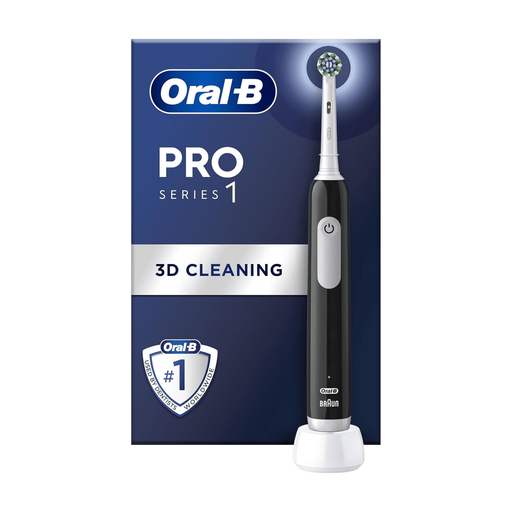
Why This Fits Their Persona: This is an ideal first electric toothbrush for anyone upgrading from manual. It provides a significant cleaning improvement without a hefty price tag, focusing on the essentials for a healthier mouth.
It sidesteps the "smart feature overload" trap by delivering exactly what you need: three cleaning modes, a pressure sensor and a 2-minute timer. No costly, unused app connectivity.
Its main advantage is the dentist-inspired round brush head for effective plaque removal. It's a reliable, straightforward device from a well-established brand.
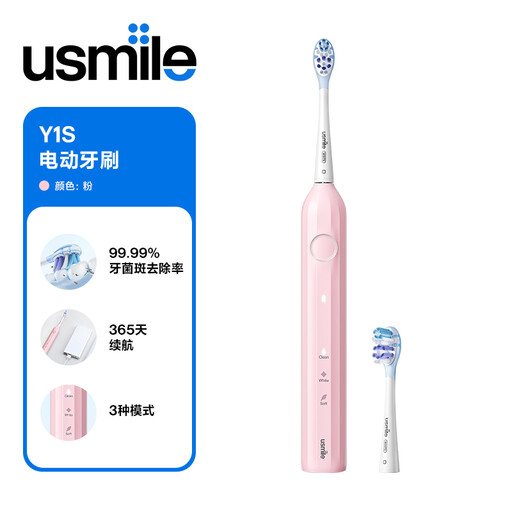
Why This Fits Their Persona: For anyone who travels often for work or leisure, packing a charger is a hassle. This model is designed for ultimate convenience, offering powerful cleaning without the constant need to recharge.
It completely demolishes the "misleading battery life" trap. According to usmile, a single charge can last up to 6 months, and it uses a standard USB port for charging, eliminating the need for a 2-pin adapter.
The exceptional battery life is the standout feature. It also includes a stylish electric toothbrush with travel case, making it a complete, portable oral care solution.
Yes, absolutely. Many modern electric toothbrushes are designed with this in mind. Look for a model that specifically lists a "Sensitive" or "Gum Care" mode. More importantly, choose a toothbrush for sensitive gums that includes a pressure sensor. This feature is critical as it will alert you if you are brushing too hard, which is a common cause of gum irritation.
Most manufacturers, including Oral-B and Philips, recommend replacing your brush head approximately every three months. Many brush heads now feature indicator bristles that fade over time, giving you a clear visual cue when it's time for a replacement. Using a worn-out brush head is less effective at removing plaque and can harbour bacteria.
Many electric toothbrushes sold in the UK come with a 2-pin plug. This is a standard safety feature for low-power appliances used in bathrooms, designed to fit the shaver sockets found in many UK homes. If your bathroom doesn't have one, you can easily use a simple and widely available 2-pin to 3-pin adapter to plug it into any standard UK wall socket.