
24/7 全天候客户支持

免费退货

当日/次日达

品质保障

开启新人专享福利: 全场免邮 | 低至 2 折 | 免费试用 30 天 JoyPlus 会员
下载 Joybuy
Upgrading from a manual to an electric toothbrush can feel like a significant step in your oral care routine. With so many models on the market, it is easy to feel overwhelmed by technical specifications and marketing claims. You might be wondering which features are genuinely useful, whether you need a model with multiple modes or how to find one that is gentle on your gums.
This guide is designed to cut through the clutter. As a Joybuy Product Recommendation Officer, my role is to provide clear, practical information to help you compare your options and select an electric toothbrush that fits your needs and budget. We will look at key features to consider and highlight some of our top recommendations for 2026.
Making an informed choice comes down to understanding a few core features. Here are the key factors to consider before you buy.
The two primary types of electric toothbrush technology are sonic and oscillating-rotating.
Neither technology is definitively superior; the choice often comes down to personal preference regarding the cleaning sensation and brush head shape.
Beyond the core technology, certain features have become standard for enhancing effectiveness and safety.
Consider how and where you will use your toothbrush.
Here are a few models that stand out for their features, performance and value.
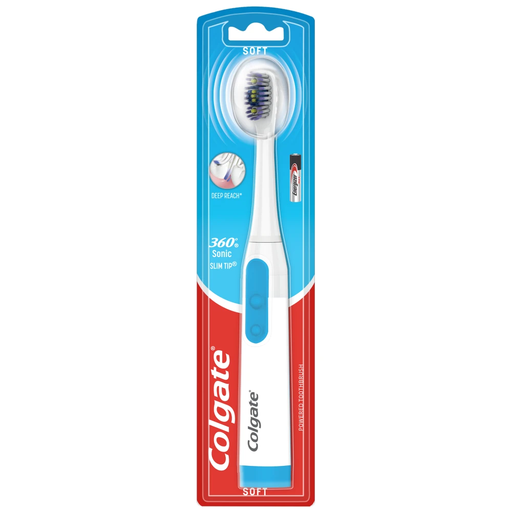
Why It Stands Out: This model offers an excellent entry into the world of sonic cleaning without the commitment of a rechargeable system. Its slim-tip bristle design is specifically engineered to clean hard-to-reach areas along the gum line and between teeth.
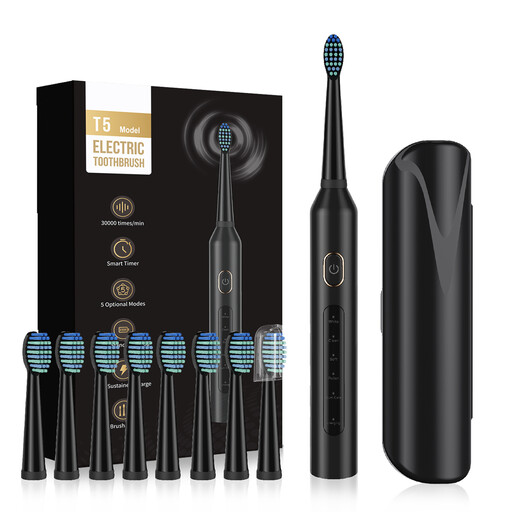
Why It Stands Out: This toothbrush packs a remarkable number of features into one package. With powerful sonic technology, a wide array of modes and an impressive battery life, it delivers a comprehensive cleaning experience. The inclusion of eight brush heads provides up to two years of use.
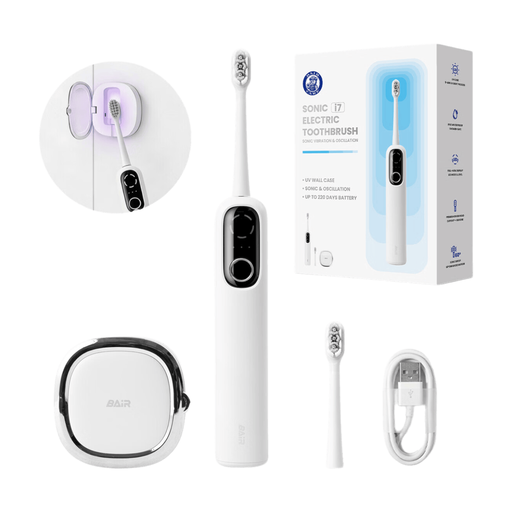
Why It Stands Out: The headline feature of the BAIR CARE I7 is its phenomenal battery performance. A single charge can last up to 220 days, making it a standout choice for travellers, busy professionals or anyone who simply wants to forget about charging. It also offers customisable cleaning with 5 modes and 3 intensity levels.
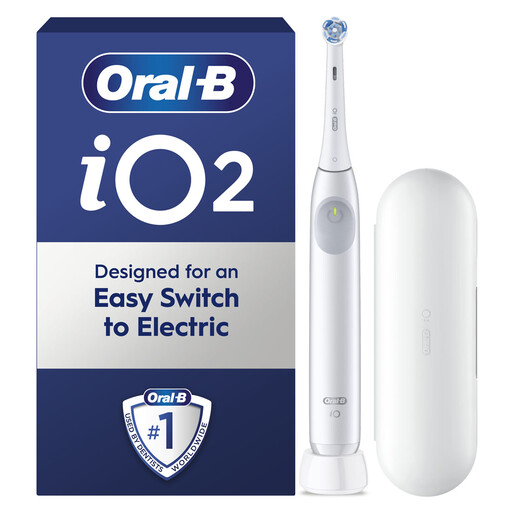
Why It Stands Out: The Oral-B iO2 brings the brand's premium iO technology to a more accessible model. It combines gentle micro-vibrations with a dentist-inspired round brush head for a thorough clean. Its standout feature is the smart pressure sensor, which automatically slows down and alerts you with a red light to protect your gums.
If these models are not quite what you are looking for, there are many other specialised toothbrushes available. Explore our full range of Deep Cleaning Toothbrushes to find other models tailored to whitening, gum care and more.
1. How often should I replace my electric toothbrush head? It is generally recommended to replace your brush head every three months, or sooner if the bristles become frayed or worn. Many modern brush heads include indicator bristles that fade over time to remind you when it is time for a replacement.
2. Can I use an electric toothbrush if I have sensitive gums? Yes, many electric toothbrushes are well-suited for sensitive gums. Look for models that offer a 'Sensitive' or 'Gentle' cleaning mode. Furthermore, an electric toothbrush with a pressure sensor is highly recommended, as it will alert you if you are applying too much force, which is a common cause of gum irritation.
3. Is a sonic toothbrush better than an oscillating one? Neither technology is inherently "better" than the other, and both are proven to be more effective at removing plaque than a manual toothbrush. The choice largely depends on personal preference. Some people prefer the sweeping motion of a sonic toothbrush, while others prefer the scrubbing sensation of an oscillating-rotating head.