
24/7 Customer Support

Free returns

Same-day & Next-day Delivery

Quality Guaranteed

Unlock Your Welcome Offers: FREE Delivery | Up to 80% OFF | Free 30-day JoyPlus trial
Download the APP
If you've ever left the dentist's chair wishing you could replicate that perfectly clean feeling at home, you're not alone. While a manual toothbrush can be effective, many people find that upgrading to an electric model is a significant step up for their oral hygiene routine. The market, however, is filled with a dizzying array of options, from simple, functional models to high-tech smart devices.
This guide is designed to cut through the clutter. We'll walk you through the essential features to look for in an electric toothbrush and present a few carefully selected recommendations to help you find the right fit for your needs and budget.
Making the switch to a rechargeable toothbrush is an investment in your oral health. To ensure you get a model that works for you, consider these key features.
Two of the most common mistakes in brushing are not brushing for long enough and applying too much pressure, which can damage gums. An electric toothbrush with a timer solves the first problem by ensuring you brush for the dentist-recommended two minutes, often pulsing every 30 seconds to prompt you to switch to a new quadrant of your mouth.
An electric toothbrush with a pressure sensor is equally important, especially if you have sensitive gums. This feature alerts you, often by stopping pulsations or with a light, when you are pressing too hard. This simple function helps protect your enamel and gums from unnecessary wear and tear.
Not all mouths are the same, and your needs might change over time. Many electric toothbrushes come with multiple cleaning modes, such as:
electric toothbrush for sensitive gums.Additionally, check the compatibility with different brush heads. Brands like Oral-B offer a range of heads designed for specific purposes, from precision cleaning to orthodontic care, allowing you to personalise your routine.
For those who enjoy data and want to perfect their technique, a smart electric toothbrush can be a valuable tool. These advanced models often connect to a smartphone app via Bluetooth to provide real-time feedback on your brushing coverage, pressure and duration. Some newer models even have built-in screens, offering guidance without needing to bring your phone into the bathroom. While not essential for everyone, these features can help build better, more effective brushing habits.
Here are our recommendations, chosen to suit a range of preferences and budgets.
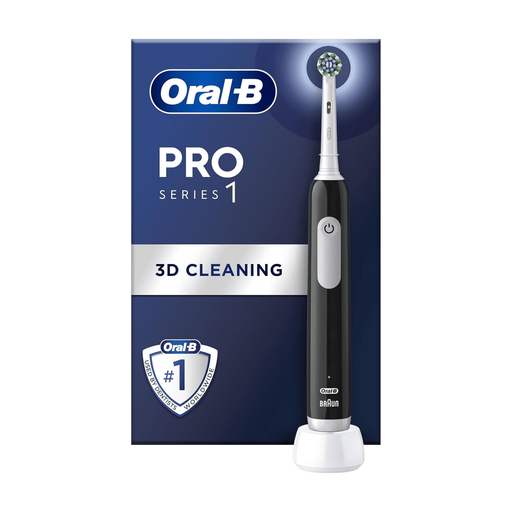
View the Oral-B Pro 1 Electric Toothbrush
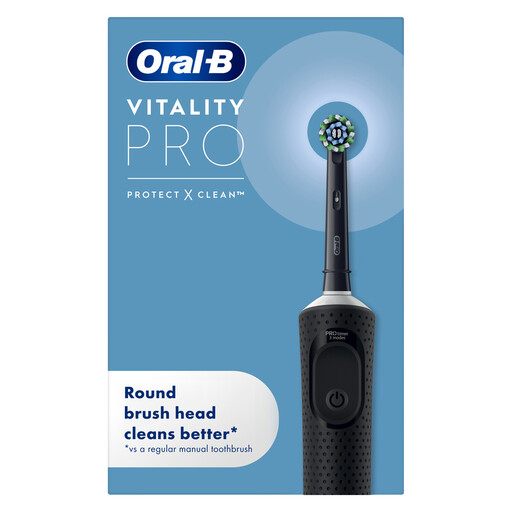
Oral-B electric toothbrush at an accessible price point. It includes three distinct brushing modes, including a "Sensitive Plus" mode designed for extra comfort, making it a versatile choice for different family members.View the Oral-B Vitality Pro Electric Toothbrush
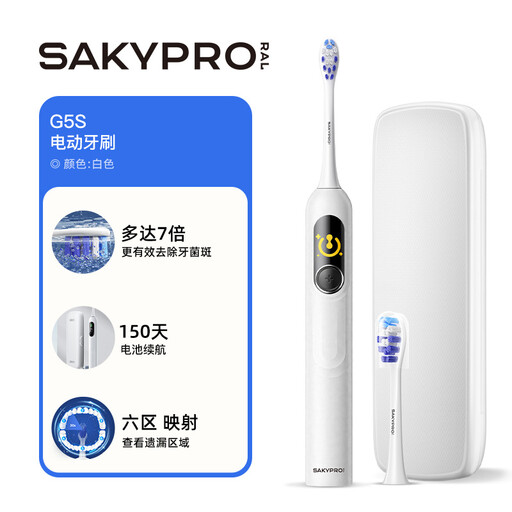
smart electric toothbrush brings advanced technology directly to the handle. Its standout feature is the AI Smart Colour Screen, which provides a real-time map of your mouth, highlighting areas you've missed without needing a separate app. Combined with an impressive battery life, it's built for performance and convenience.View the SAKYPRORAL G5S Smart Sonic Electric Toothbrush
The models featured here are just a starting point. Every person's oral care needs are unique, and the right brush for you might have different features or come in at a different price point.
Explore our wider selection of electric toothbrushes to find the perfect match for your routine.
While a manual toothbrush can be effective with perfect technique, an electric toothbrush provides consistency. The high-speed oscillations or vibrations—thousands of movements per minute—remove plaque more efficiently than manual brushing. Furthermore, features like the built-in timer and pressure sensor help enforce good habits that many people struggle to maintain manually, leading to a more consistent and thorough clean.
Most manufacturers and dentists recommend replacing your brush head approximately every three months. You should also replace it sooner if you notice the bristles are frayed or splayed. Worn bristles are significantly less effective at cleaning teeth and removing plaque. Some brush heads even have indicator bristles that fade over time to remind you when a change is due.
The main difference lies in their cleaning motion. Oscillating-rotating toothbrushes, like the Oral-B electric toothbrush models, have a small, round head that rotates back and forth and pulsates to break up plaque. Sonic toothbrushes, like the SAKYPRORAL model, have a more traditional-shaped head that vibrates at very high speeds. This vibration creates fluid dynamics that help clean between teeth and below the gumline. The choice between them often comes down to personal preference on the brushing sensation.