
24/7 Customer Support

Free returns

Same-day & Next-day Delivery

Quality Guaranteed

Unlock Your Welcome Offers: FREE Delivery | Up to 80% OFF | Free 30-day JoyPlus trial
Download the APP
Making the switch to an electric toothbrush can feel like a significant step up for your oral hygiene. With claims of superior plaque removal and a dentist-clean feel, the appeal is clear. However, the market is flooded with models ranging from under ?30 to over ?300, all promising a perfect smile. This can make choosing the right one a confusing and potentially expensive process.
As a Joybuy Product Recommendation Officer, my role is to help you navigate the options and focus on what truly matters. Before you invest, it’s crucial to understand the common pitfalls that lead to buyer's remorse.
Many shoppers end up with a brush that is either over-specified for their needs or lacks the essential features for long-term oral health. Here are the most common traps to watch out for:
smart toothbrush with AI-powered 3D teeth tracking and app connectivity sounds impressive. For some, this real-time feedback is a game-changer. For many others, the novelty wears off after a few weeks, leaving them with a very expensive brush that they use just like a basic model.Oral-B iO series, use exclusive heads that can be pricier than standard ones. Always check the price and availability of replacement heads before committing to a system.Oral-B electric toothbrush models) and sonic (popularised by Philips Sonicare). While both are effective, individuals with an electric toothbrush for sensitive gums might prefer the gentler feel of sonic vibrations or a model with a dedicated sensitive mode and pressure control.To make a sensible choice, focus on the functional hardware that directly impacts your daily clean. These are the non-negotiable features to look for.
Brushing too hard is a common habit that can lead to gum recession and enamel wear. An electric toothbrush with pressure sensor is arguably the most important feature for preventing long-term damage.
A professional-style clean requires brushing for the right amount of time.
A rechargeable toothbrush is the standard, but performance varies.
Based on these practical criteria, we've matched some standout models to different user needs.
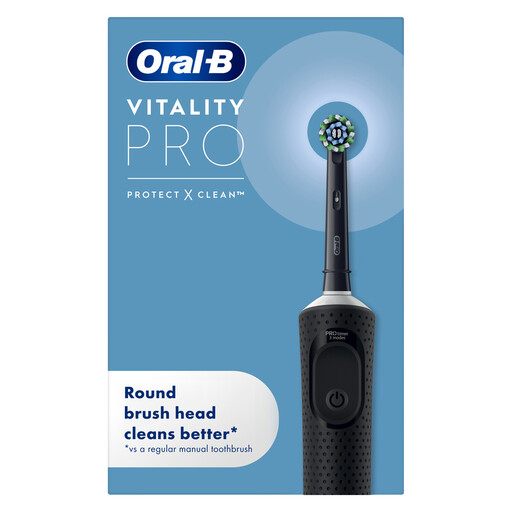
Why This Fits Their Persona: Ideal for anyone moving from a manual brush. It provides the core benefits of an electric clean without a hefty price tag. It's a straightforward, reliable entry into better oral care.
This model avoids the "overpaying for smart features" trap by focusing on essential functions: three useful cleaning modes (including Sensitive) and a quadrant timer.
It features Oral-B's 2D oscillating-rotating action and includes a Sensitive Plus mode, making it a great value choice for those with sensitive gums.
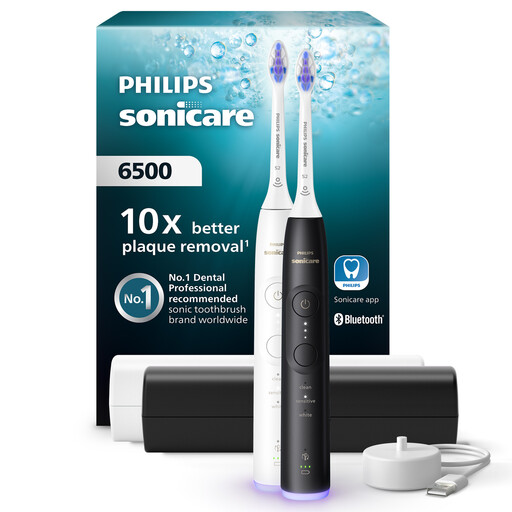
Why This Fits Their Persona: This electric toothbrush duo pack is perfect for couples or families. It provides two high-quality handles and two travel cases, offering excellent value and convenience for shared households.
It tackles the "cost of ownership" trap by bundling two full sets together. The inclusion of two travel cases also adds practical value, saving an extra purchase for frequent travellers.
It features sonic vibration technology, three modes and three intensity levels for a highly customisable clean. The built-in pressure sensor and BrushSync head replacement reminders are practical, useful features.
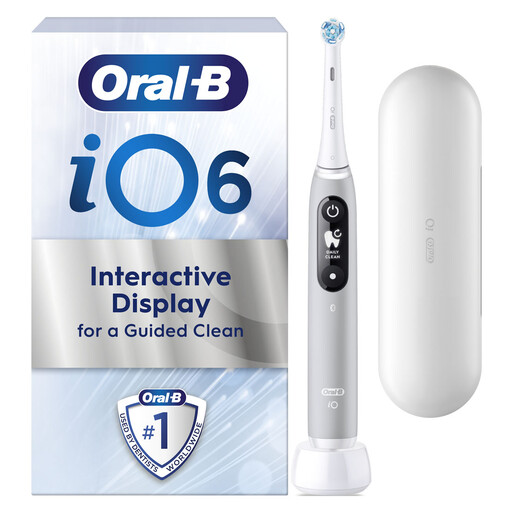
Why This Fits Their Persona: For those who appreciate technology that delivers tangible benefits. This brush offers advanced features like AI brushing recognition and an interactive display to actively improve brushing habits.
While a premium smart toothbrush, its features are focused on performance. The multi-colour pressure sensor and app-based position detection provide genuinely useful guidance, justifying the step-up in price.
The iO magnetic technology provides a uniquely smooth and quiet cleaning experience. With five smart modes and an OLED display, it offers a sophisticated and personalised clean.
We have compiled a complete, real-time list of products that fully satisfy these strict selection criteria and UK safety regulations.
1. How often should I replace my electric toothbrush head? For hygiene and effectiveness, it is recommended to replace your brush head every three months. Many Oral-B and Philips Sonicare heads have indicator bristles that fade over time to remind you when a change is due. A worn brush head will not clean your teeth properly.
2. Can I use an electric toothbrush if I have sensitive gums? Yes, an electric toothbrush can be very beneficial for sensitive gums, provided you choose the right model. Look for one with a dedicated 'Sensitive' cleaning mode and, most importantly, a pressure sensor. This will prevent you from brushing too hard, which is a major cause of gum irritation. Start on the lowest intensity setting and let the brush do the work.
3. What is the UK 2-pin plug for and do I need an adapter? The 2-pin plug is a safety standard for appliances used in UK bathrooms, as it's designed to fit into the shaver sockets found in most modern bathrooms. These sockets are isolated from the main electrical circuit to reduce the risk of electric shock. If your bathroom does not have a shaver socket, you can use a simple and widely available 2-pin to 3-pin adapter to plug it into a regular wall socket outside the bathroom.