
24/7 Customer Support

Free returns

Same-day & Next-day Delivery

Quality Guaranteed

Unlock Your Welcome Offers: FREE Delivery | Up to 80% OFF | Free 30-day JoyPlus trial
Download the APP
Upgrading from a manual to an electric toothbrush can feel like a significant step towards better oral hygiene. With promises of a deeper clean and healthier gums, the appeal is clear. However, the market is saturated with models boasting countless features, making it difficult to distinguish genuine improvements from marketing hype. Many UK shoppers find themselves paying for functions they never use or discovering hidden costs down the line.
As a Joybuy Product Recommendation Officer, my role is to help you navigate this landscape. This guide cuts through the clutter, focusing on the practical considerations for choosing a reliable electric toothbrush that fits your needs and budget, without falling for common purchasing pitfalls.
Before looking at what you do need, let’s identify the traps that often lead to buyer's remorse.
rechargeable toothbrush with a dependable 10-14 day battery life is often more than sufficient for daily use and travel, and may offer more consistent cleaning power.To make a sensible choice, focus on the functional aspects that deliver a better clean and protect your oral health.
This is the fundamental difference between most electric toothbrushes.
Oral-B toothbrush, this technology uses a small, round brush head that spins back and forth and pulsates to break up and sweep away plaque. Many users feel this provides a thorough, tooth-by-tooth polishing clean.sonic toothbrush uses a brush head, often shaped like a manual one, that vibrates at very high speeds (tens of thousands of strokes per minute). This action agitates the fluids in your mouth to help clean between teeth and along the gumline. Some people find this sensation gentler.Neither technology is definitively superior; the choice often comes down to personal preference.
Instead of a dozen modes, look for these three non-negotiable features:
electric toothbrush with pressure sensor is a vital feature, especially for first-time users. It will alert you, often by stopping pulsations or with a light, when you are applying too much force.Here are a few recommendations matched to different user needs, all of which address the common pitfalls and include the essential features discussed.

Why This Fits Their Persona: Ideal for anyone moving from a manual brush. It offers a significant cleaning upgrade without a confusing array of features or a high price tag. It's a reliable workhorse for improving daily oral care.
It avoids the "more modes" trap by offering three genuinely useful settings: Daily Clean, Sensitive and Sensitive Plus. It focuses on core performance rather than unnecessary extras.
Includes the essential 2-minute quadrant timer and uses widely available, affordable Oral-B brush heads, keeping the total cost of ownership low.
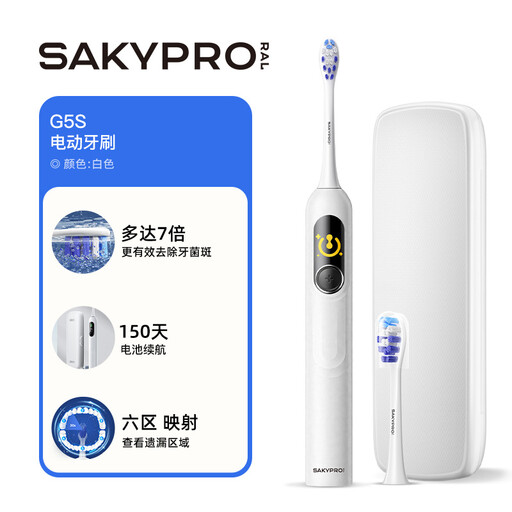
Why This Fits Their Persona: For those who love data and feedback, this `smart toothbrush` provides it directly on the handle. The AI screen with real-time brushing maps guides you to ensure no area is missed, gamifying the routine.
While it has a long battery life claim, its main value comes from the smart screen feedback, which is a tangible feature, not just a number. It turns advanced tech into a practical tool for better coverage.
The on-board AI smart screen provides instant feedback without needing to open a smartphone app. It also includes a travel case, making it great for frequent travellers.
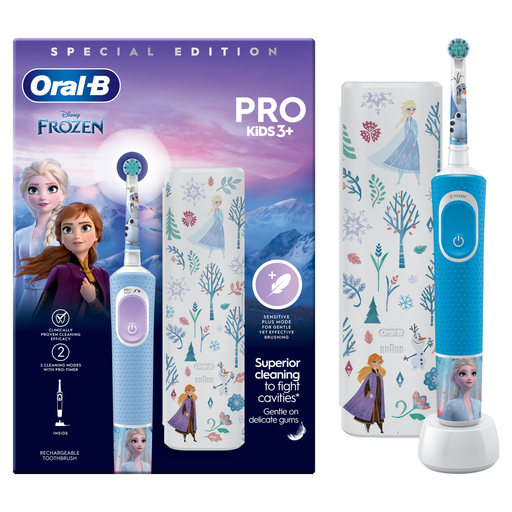
Why This Fits Their Persona: This `kids electric toothbrush` is specifically designed for children aged 3 and up. The fun theme and customisable stickers help make brushing an engaging activity rather than a chore, encouraging good habits early on.
It avoids feature overload by focusing on what children need: a small, round brush head with extra-soft bristles and a special 'Gentle' mode to protect developing teeth and gums.
Includes the crucial 2-minute timer to teach proper brushing duration. The included travel case is a practical addition for sleepovers or family holidays.
We have compiled a complete, real-time list of products that fully satisfy these strict selection criteria and UK safety regulations.
1. Do I need an adapter for my new electric toothbrush in the UK? Most electric toothbrushes sold in the UK come with a 2-pin plug. This is designed to fit the shaver sockets that are standard in many UK bathrooms. If your bathroom doesn't have one, you can use a simple 2-pin to 3-pin adapter, which is safe, inexpensive and readily available from most hardware or electronics shops.
2. How often should I replace the brush head on my rechargeable toothbrush? The general guidance from dentists and manufacturers is to replace your brush head every three months. You should also replace it sooner if you notice the bristles have become frayed or splayed, as this reduces their cleaning effectiveness. Some brush heads have indicator bristles that fade over time to remind you when a change is due.
3. Is a sonic toothbrush better than an oscillating one? Both technologies are highly effective at removing more plaque than a manual toothbrush. The choice largely comes down to personal preference. Some people prefer the powerful, polishing feel of an oscillating-rotating brush, while others find the high-frequency vibrations of a sonic brush to be gentler and more comfortable. If you have sensitive gums, you might start with a model that offers a dedicated 'Sensitive' mode, regardless of the technology.