
24/7 Customer Support

Free returns

Same-day & Next-day Delivery

Quality Guaranteed

Unlock Your Welcome Offers: FREE Delivery | Up to 80% OFF | Free 30-day JoyPlus trial
Download the APP
Navigating the world of electric toothbrushes can feel overwhelming. With endless features, technical jargon and bold marketing claims, it is easy to end up with a pricey gadget that doesn't quite meet your needs. As the Joybuy Product Recommendation Officer, my role is to help you see past the hype and focus on what truly matters for a better, healthier clean.
Before you add any model to your basket, let's look at some common pitfalls that UK shoppers encounter. Understanding these can save you both money and disappointment.
To make a smart purchase, focus on the core features that directly impact cleaning performance and long-term usability. Here are the three non-negotiable parameters to check.
The two dominant technologies on the market are sonic and oscillating-rotating. There is no single "better" option; the choice often comes down to personal preference and what feels most comfortable for your teeth and gums.
One of the most common mistakes people make when switching to an electric toothbrush is brushing too hard. This can lead to gum recession and enamel wear. A toothbrush with a pressure sensor is the single most important feature to prevent this. When it detects excess force, the brush will typically alert you with a light, a sound or by reducing its motor speed. This is an essential safeguard, especially if you are looking for an electric toothbrush for sensitive gums.
The initial purchase price is only one part of the total cost of ownership. Dentists recommend replacing your brush head every three months. Before committing to a model, check the price and availability of its replacement heads. Some premium models require proprietary heads that can be significantly more expensive than standard ones, adding a considerable ongoing expense to your oral care routine.
Instead of a generic list, we have matched some well-regarded models to specific user needs. This helps you find a brush that not only works well but also fits your lifestyle and budget.
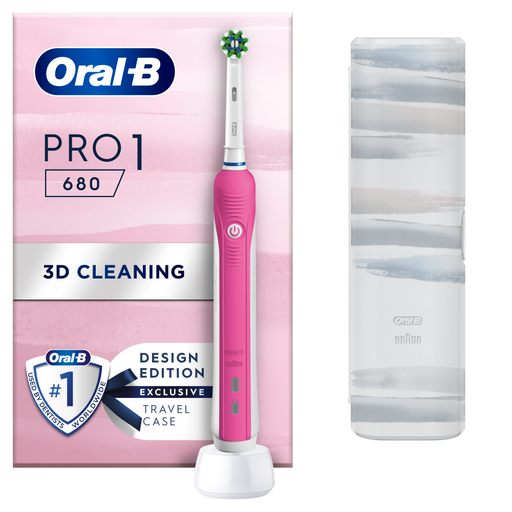
Why This Fits Their Persona: Ideal for someone new to electric brushing, this model provides the core essentials for a superior clean without a hefty price tag. It focuses on performance over complicated features, making the transition from a manual brush simple and effective.
It sidesteps the "more modes" trap by offering one highly effective "Daily Clean" mode. This simplifies the experience and ensures you are not paying for features you will not use.
Includes a built-in pressure sensor and a 2-minute timer—two critical features for building good habits and protecting your gums, which are often omitted from entry-level models.
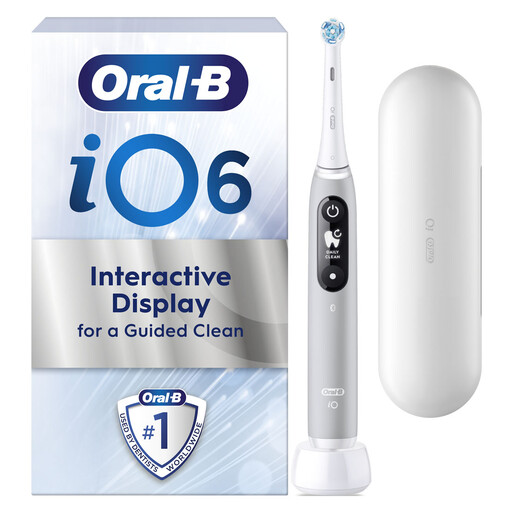
Why This Fits Their Persona: For the user who loves data and wants to perfect their routine, the iO6 offers a suite of genuinely useful smart features. The app connectivity and AI tracking provide actionable feedback to ensure a complete and thorough clean every time.
For this user, the "smart features" are not a trap but a key benefit. The AI-powered app guidance turns data into better brushing by highlighting missed spots, making the technology practical rather than a gimmick.
The interactive OLED display on the handle provides real-time feedback on modes and a visual timer, while the multi-colour pressure sensor gives clear guidance on optimal pressure.
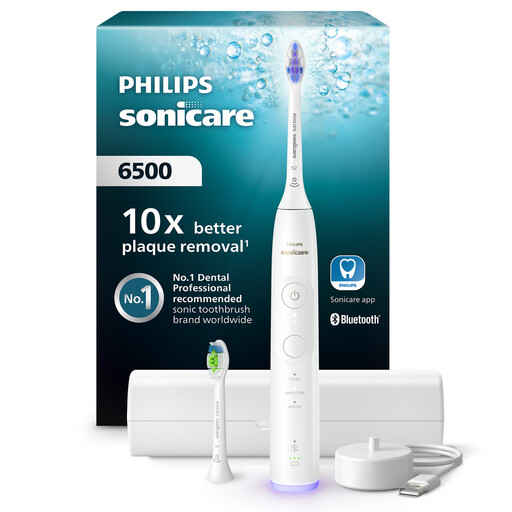
Why This Fits Their Persona: This brush is an excellent choice for those with sensitive gums or enamel. The combination of sonic technology, a dedicated "Gum Health/Sensitive" mode and three intensity levels allows for a highly personalised and gentle cleaning experience.
Instead of just adding more modes, it provides adjustable intensity levels. This offers genuine customisation for comfort and avoids the trap of paying for features that are too harsh for sensitive mouths.
The visual pressure sensor provides immediate feedback to prevent over-brushing, while the BrushSync technology tracks head usage and reminds you when a replacement is needed for optimal performance.
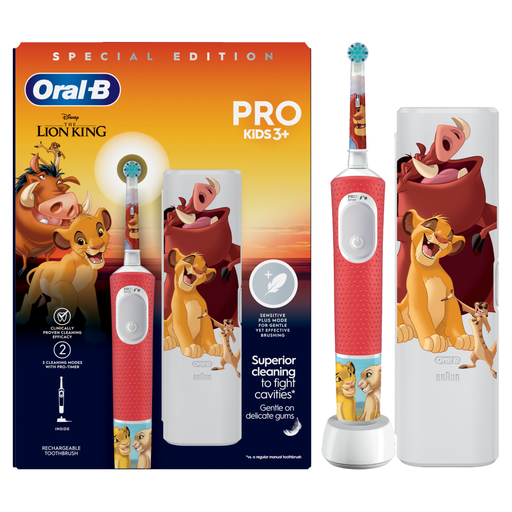
Why This Fits Their Persona: This kids electric toothbrush is designed to make brushing an engaging and positive experience. The fun Lion King theme, combined with kid-friendly features, helps encourage children aged 3 and up to build healthy, lifelong oral hygiene habits.
It avoids the complexity of adult brushes by focusing on what matters for children: a gentle clean, an easy-to-hold handle and an engaging design. It includes two simple modes, including a "Sensitive" option for young mouths.
Features a small, round brush head with extra-soft bristles specifically for children's teeth and gums. The built-in 2-minute timer helps teach them to brush for the recommended duration from an early age.
We have compiled a complete, real-time list of products that fully satisfy these strict selection criteria and UK safety regulations.
Most electric toothbrushes sold in the UK come with a 2-pin plug as standard. This is designed to fit the shaver sockets commonly found in bathrooms. If you do not have a shaver socket, you will need to use a simple 2-pin to 3-pin adapter to charge your toothbrush from a standard UK mains socket. These adapters are widely available and do not affect the brush's performance or safety.
It is recommended to replace your brush head approximately every three months, or sooner if the bristles become frayed. The cost varies by brand and model. Standard replacement heads for brands like Oral-B often come in multi-packs, costing around ?3-?5 per head. Proprietary heads for premium ranges, such as the Oral-B iO series, can be more expensive, costing between ?7-?10 per head. Factoring this ongoing cost into your budget is a wise step.
Both technologies can be suitable for sensitive gums, provided the brush has the right features. The key is to choose a model with a dedicated "Sensitive" mode and, most importantly, a pressure sensor. Some users find the sweeping motion of a sonic toothbrush to be gentler, while others prefer the precise, low-speed clean of an oscillating brush on its sensitive setting. If sensitivity is your main concern, look for a model that also offers multiple intensity levels for maximum control.