
24/7 Customer Support

Free returns

Same-day & Next-day Delivery

Quality Guaranteed

Unlock Your Welcome Offers: FREE Delivery | Up to 80% OFF | Free 30-day JoyPlus trial
Download the APP
Replacing a manual toothbrush can make brushing feel more consistent, but choosing an electric toothbrush is not simply a matter of picking the model with the highest vibration count or longest feature list. UK shoppers should look beyond headline claims and check comfort, charging, replacement heads and safety features.
A high figure such as 40,000 VPM or 62,000 brush movements per minute may look impressive, but it does not automatically make a toothbrush suitable for you. Brushing technique, head design, pressure control and regular use all affect the day-to-day experience.
A sonic electric toothbrush typically uses high-frequency vibrations, while oscillating models move the brush head mechanically. Neither format is automatically right for every user. The most useful choice is the one you can use comfortably for the recommended brushing period.
A smart electric toothbrush may include Bluetooth, app coaching, displays and coverage tracking. These functions can help users who want feedback, but they add cost and may have limited value if you prefer a simple one-button routine. Check whether the app is compatible with your phone and whether the brush remains fully usable without it.
The handle is only part of the cost. Replacement brush heads are generally required around every three months, or sooner when bristles become worn. Some systems only accept heads from the same range, so check compatibility and availability before ordering.
Also look at what is included. A travel case, several replacement heads or a USB-C cable can change the practical value of a rechargeable electric toothbrush, particularly for frequent travellers.
A pressure sensor can alert you when you are pressing too hard. Depending on the model, this may be shown through a light, vibration or change in brushing speed. This feature is particularly useful for people moving from a manual toothbrush who are accustomed to applying force.
An electric toothbrush with timer should provide a two-minute cycle, ideally with 30-second prompts to encourage you to move around the mouth. A timer supports a consistent routine, but it does not replace careful coverage or appropriate brush-head positioning.
Common modes include daily clean, sensitive, gum care and whitening. A whitening electric toothbrush can help remove some surface stains through brushing, but it should not be treated as a substitute for professional dental treatment or a guarantee of a particular shade.
For users with sensitivity concerns, look for a sensitive gum electric toothbrush with a lower intensity setting and soft-compatible replacement heads. Round heads and compact heads can feel easier to manoeuvre around back teeth, while sonic designs offer a different brushing sensation.
Battery-life figures are normally based on specific usage patterns, so real-world performance varies with mode and brushing frequency. A long-lasting battery electric toothbrush can be convenient in shared bathrooms or while travelling, but confirm how it charges.
A model with a travel case is easier to protect in luggage. UK shoppers should also inspect the plug supplied. Several listed Oral-B and Philips models use a UK 2-pin plug intended for low-power appliances such as toothbrushes and shavers. A suitable adapter may be needed for a three-pin UK socket.
Water resistance also matters. Follow the product instructions carefully: rinsing a waterproof handle is not the same as submerging a charger or using a charging port while it is wet.
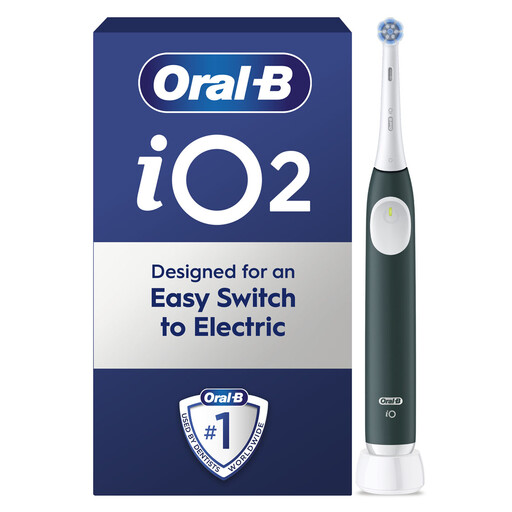
Why This Fits Their Persona: A straightforward upgrade for UK users switching from a manual brush without needing app connectivity or a complicated interface.
It prioritises useful essentials: three intensity modes, a two-minute timer and an automatic pressure alert rather than unnecessary connected functions.
Round Oral-B iO brush head, three settings, zone reminders and a rechargeable lithium-ion battery.
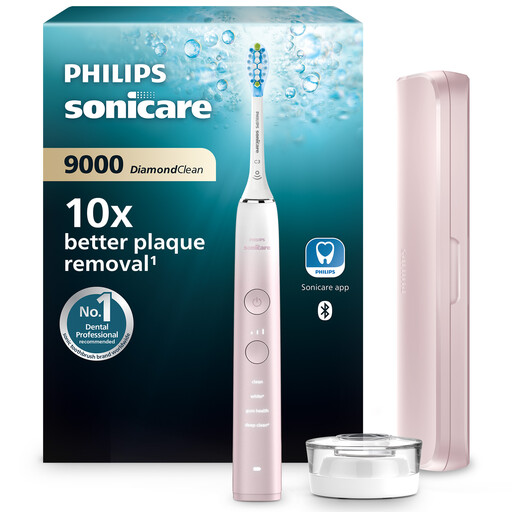
Why This Fits Their Persona: Suits users who want multiple settings, app-connected guidance and a more comprehensive home-and-travel setup.
The feature set is clearly defined: four modes, three intensities, pressure feedback, a timer and Bluetooth app compatibility.
Includes a travel case and charging base, with up to 14 days of stated battery runtime and click-on Sonicare heads.
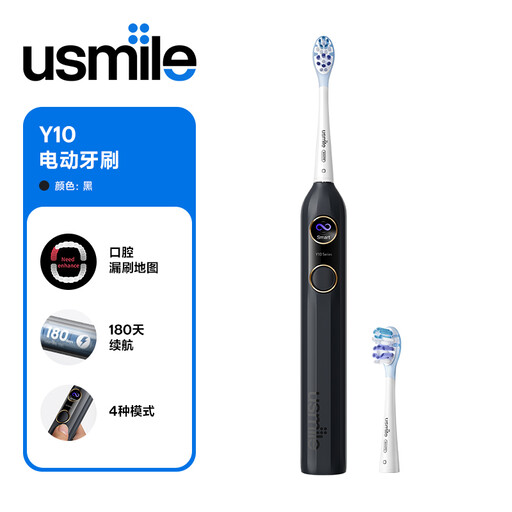
Why This Fits Their Persona: Designed for users who dislike frequent charging and want visible brushing information without relying on a phone app.
Its listed features put practical use first, including a timer, pressure control and four cleaning modes, while the stated charge duration is up to 180 days.
Smart screen, four modes and USB-C charging support; use only the supplied cable or a certified equivalent.
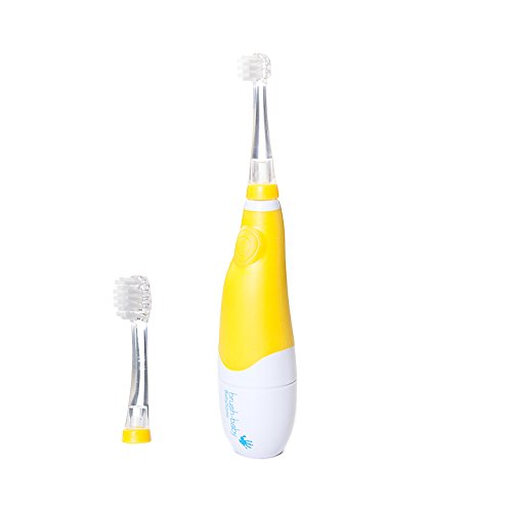
Why This Fits Their Persona: Made for babies and toddlers who need a smaller handle, soft bristles and adult-supervised brushing.
It avoids using an adult-sized handle or overly strong settings for a young child, with age-specific heads and gentle vibrations.
Two-minute light timer, 30-second prompts, suction base and an included AAA alkaline battery.
We have compiled a complete, real-time list of products that fully meet these strict selection criteria and UK safety regulations.
The handle may last several years when kept clean, dry and undamaged, but battery performance can decline over time. Brush heads normally need replacing approximately every three months. Check the manufacturer’s guidance, inspect bristles regularly and stop using the product if the handle, cable, charger or head is cracked or damaged.
Running costs include electricity and replacement heads. Charging uses relatively little power, while replacement-head prices vary significantly by system. Before buying, compare the cost of compatible heads and check how many are included. A model with a large accessory bundle may have a lower initial replacement requirement, but not necessarily a lower long-term cost.
Choose an age-appropriate model rather than assuming an adult electric toothbrush is suitable. Children should be supervised, especially when they are learning to control pressure and avoid chewing the brush head. The Brush-Baby model listed above is intended for ages 0–3, while Oral-B iO models are not recommended for children under three. If you have had oral or gum surgery recently, or brushing causes persistent discomfort or excessive bleeding, seek advice from a dentist before continuing.