
24/7 Customer Support

Free returns

Same-day & Next-day Delivery

Quality Guaranteed

Unlock Your Welcome Offers: FREE Delivery | Up to 80% OFF | Free 30-day JoyPlus trial
Download the APP
An electric toothbrush can make a daily brushing routine easier to follow, but choosing one based only on vibration speed or a familiar logo can lead to unnecessary expense. UK shoppers should look beyond promotional language and check whether the toothbrush suits their routine, charging setup and replacement-head budget.
Three common buying pitfalls are worth avoiding:
A practical purchase should support consistent brushing, provide suitable pressure and timing guidance and remain affordable to maintain.
Electric toothbrushes generally use either oscillating round heads or sonic vibration. An Oral-B electric toothbrush, such as the Pro 1 or Vitality Pro, uses a round brush-head format designed to be guided from tooth to tooth. This can suit shoppers who prefer a focused cleaning motion.
A sonic electric toothbrush uses rapid vibration across the brush head. Models such as the Sunluxy T5 and Rushi R-C32 offer several modes, including gentler settings. More modes are not automatically more useful, so check whether there is a sensitive or soft option if you dislike a strong brushing sensation.
A toothbrush with timer can help you divide brushing into four 30-second sections. This is particularly useful if you tend to rush or concentrate on only the front teeth. Several products listed here provide a two-minute timer with quadrant reminders.
A pressure sensor electric toothbrush is also worth considering if you regularly press hard. The Oral-B Pro 1 and Vitality Pro include pressure-sensor functionality. Treat this as guidance rather than a substitute for gentle technique: allow the brush head to do the work and avoid scrubbing.
A rechargeable electric toothbrush is convenient for everyday use and reduces the need to keep disposable batteries available. Battery claims should be read alongside charging time and usage assumptions. Sunluxy lists up to 60 days per charge, while the Oral-B models listed provide approximately seven to ten days depending on the model and routine.
Check the charging connection before ordering. Some Oral-B models include a UK 2-pin plug intended for a compatible bathroom shaving socket. A suitable adaptor may be needed for a standard three-pin socket. Never charge a handle or cable while wet.
Also confirm whether the package contains replacement heads. An electric toothbrush with replacement heads may offer better initial value, but check the head type and availability before committing to a particular handle. Brush heads should be replaced when worn and generally around every three months, following the product instructions.
Age suitability matters. An electric toothbrush for adults may have a larger handle, stronger vibration and brush heads that are unsuitable for small mouths. A baby electric toothbrush is designed differently, with smaller heads and softer bristles. Children should be supervised and product warnings followed.
The following options are arranged by practical shopping profile rather than by an overall ranking.
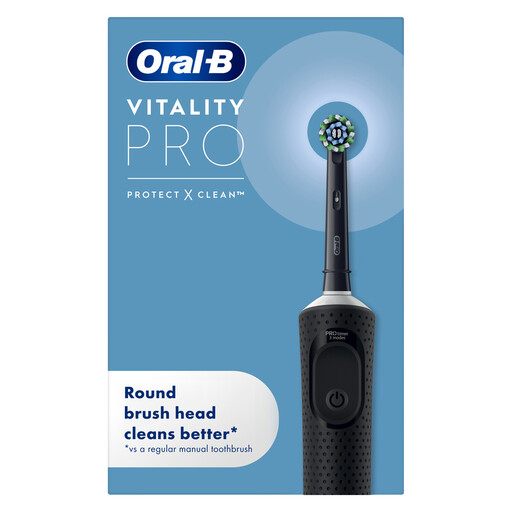
Why This Fits Their Persona: A straightforward rechargeable electric toothbrush for adults who want timed brushing, three modes and a familiar round-head format without app connectivity.
It avoids paying for Bluetooth or app features that some shoppers may not use, while still providing a two-minute timer and pressure-sensor guidance.
Three modes, 30-second quadrant reminders, replaceable compatible heads and an integrated rechargeable battery.
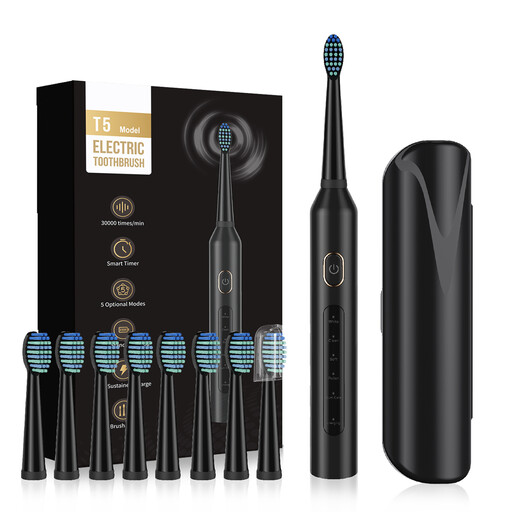
Why This Fits Their Persona: Suitable for users who value multiple settings, long intervals between charges and a travel case for frequent trips around the UK or overseas.
Its included heads and case make the package contents clear, reducing the risk of buying a handle that lacks travel accessories or near-term refills.
Five modes, IPX7 water resistance, two-minute timer, eight replacement heads and a listed battery life of up to 60 days.
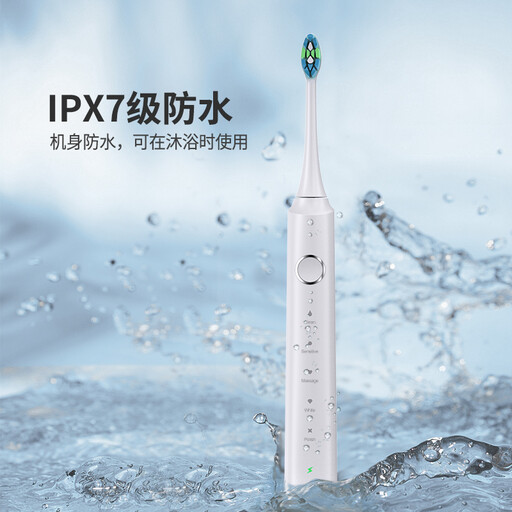
Why This Fits Their Persona: A practical choice for shoppers wanting several brushing modes, USB-C charging and a handle that can be rinsed after regular bathroom use.
The IPX7 rating is presented for rinsing and bathing use, but the charging instructions still require a dry handle and port, avoiding unsafe assumptions about waterproofing.
Five modes, a two-minute timer with 30-second reminders, USB-C charging and a stated capacity of around 40 brushing sessions per charge.
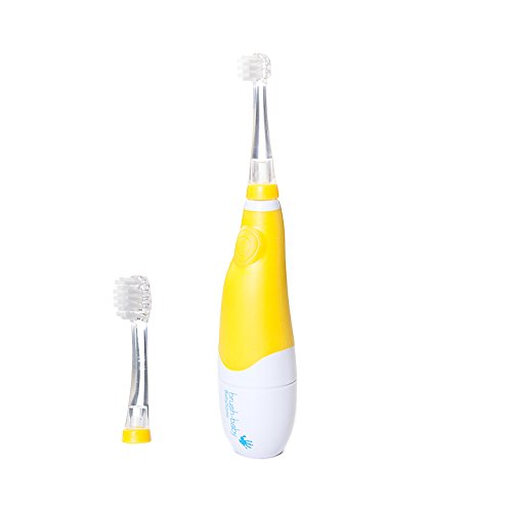
Why This Fits Their Persona: Made for babies and toddlers aged 0–3, with a small handle, soft bristles and a light timer intended to make supervised brushing easier.
It avoids using an adult handle for a small mouth. The product specifies age suitability, soft bristles and adult supervision, with separate replacement heads available.
Two-minute light timer with 30-second pulses, 10,000–15,000 strokes per minute and a suction base for storage.
We have compiled a complete, real-time list of products that fully satisfy these strict selection criteria and UK safety regulations.
Follow the product instructions and replace the head when the bristles fray or become worn. Many manufacturers indicate roughly three months, although heavy use or damaged bristles may require earlier replacement.
The main ongoing cost is replacement heads, followed by electricity for charging. Battery life, head availability and pack size usually matter more than the small amount of electricity used. Check compatible refills before purchasing.
Yes, but choose an electric toothbrush for children with age-appropriate sizing and soft bristles. A baby electric toothbrush should only be used with close adult supervision, and children should not chew the brush head or handle.