
24/7 Customer Support

Free returns

Same-day & Next-day Delivery

Quality Guaranteed

Unlock Your Welcome Offers: FREE Delivery | Up to 80% OFF | Free 30-day JoyPlus trial
Download the APP
Making the switch to an electric toothbrush can feel like a significant step up for your oral hygiene routine. However, the market is crowded with models boasting a dizzying array of features and price tags. It's easy to overspend on functions you may never use or fall for marketing hype that doesn't translate to a better clean.
As a Joybuy Product Recommendation Officer, my role is to help you navigate this landscape. We'll look past the flashy claims to focus on what truly matters, helping you find a model that fits your needs and budget without the buyer's remorse. Let's start by identifying a few common pitfalls.
To make a sensible choice, it helps to understand the core features that deliver real benefits. Instead of focusing on the number of features, prioritise the quality and relevance of a few key specifications.
One of the most common mistakes when brushing—whether manual or electric—is applying too much force. This can lead to gum recession and enamel erosion over time. An electric toothbrush with a pressure sensor is a vital feature that helps prevent this damage. When you press too hard, the brush will provide a warning, either by flashing a light, vibrating the handle or automatically reducing the motor's speed. This simple feedback mechanism is invaluable for protecting your long-term oral health, especially if you have sensitive gums.
Electric toothbrushes primarily use one of two cleaning technologies:
Neither technology is definitively superior; it often comes down to personal preference. If possible, consider what sensation you might prefer—a focused polishing action or a high-frequency vibration.
A good rechargeable toothbrush should last at least a week on a single charge with twice-daily use. For frequent travellers, models with longer battery life or an electric toothbrush with a travel case are worth considering.
Almost all models include a two-minute timer, often with 30-second pulses (a 'QuadPacer'), to guide you to brush each quadrant of your mouth evenly. This is a simple but highly effective feature for improving brushing habits.
Finally, a note on plugs: most electric toothbrushes sold in the UK come with a 2-pin plug designed for bathroom shaver sockets. If you don't have one, you will need a simple 2-pin to 3-pin adapter.
Based on these practical criteria, we've matched a few standout models to different user needs.
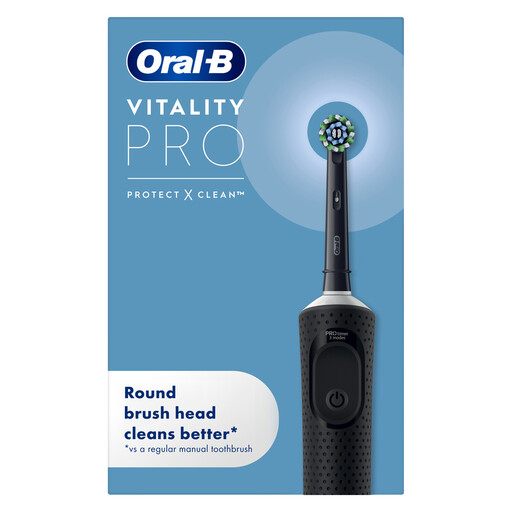
Why This Fits Their Persona: This model is an ideal entry point for anyone moving from a manual toothbrush. It provides a significant upgrade in cleaning power without the complexity or cost of high-end models. It's a straightforward, reliable tool for better daily hygiene.
It avoids the "smart feature" and "mode maze" traps by focusing on essentials. You get three practical modes (Daily Clean, Sensitive, Sensitive Plus) and a timer, which are the features that make the biggest difference for a new user.
Its main advantage is its excellent value. It delivers a dentist-inspired round brush head clean and the essential two-minute timer at an accessible price point, making it a low-risk, high-reward upgrade.
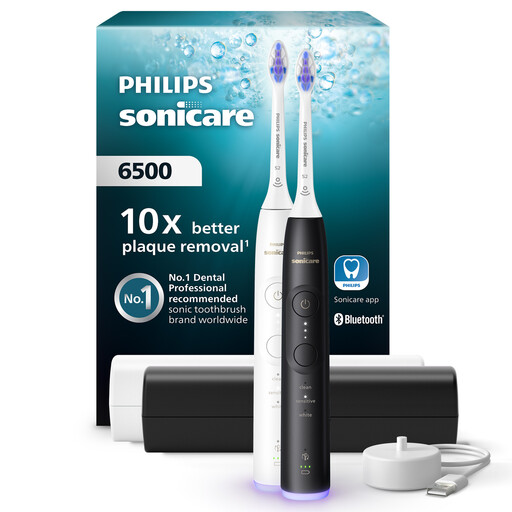
Why This Fits Their Persona: This user prioritises gum health and a gentle yet thorough clean. The sonic technology, dedicated 'Gum Health' mode and three intensity settings allow for a highly customisable and comfortable brushing experience, which is ideal for managing sensitivity.
Instead of adding superfluous modes, it offers adjustable intensity levels. This is a far more practical feature for users with sensitivity, allowing them to tailor the power of the core modes to their comfort level. The included duo pack also offers great value.
The combination of a visual pressure sensor and adjustable intensity gives the user complete control over their brushing, helping to protect delicate gums. The BrushSync technology also provides a helpful reminder to replace the head for optimal performance.
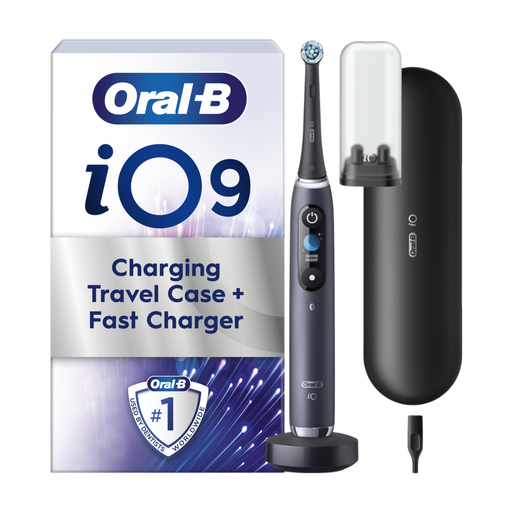
Why This Fits Their Persona: This is for the user who wants the most advanced technology and is willing to use it. The AI-powered 3D teeth tracking and real-time app feedback provide data-driven insights to actively improve brushing technique. It's a powerful tool for those committed to optimising their oral health.
While it is a premium "smart" toothbrush, its features are genuinely functional for a dedicated user. The 3D tracking offers tangible guidance on coverage that simpler apps lack, justifying the investment for someone who will engage with the technology to improve their habits.
The standout feature is the AI-powered 3D teeth tracking combined with the interactive colour display on the handle. This provides instant, actionable feedback during and after brushing. The charging travel case is also a highly practical addition for frequent travellers.
We have compiled a complete, real-time list of products that fully satisfy these strict selection criteria and UK safety regulations.
Most manufacturers, including Oral-B and Philips, recommend replacing your brush head every three months. Many brushes have features to remind you, such as colour-fading indicator bristles or an alert on the handle or app. Regular replacement is important for both hygiene and maintaining effective cleaning performance.
Yes, they can be very suitable. Look for an electric toothbrush for sensitive gums that has a dedicated 'Sensitive' mode and, crucially, a pressure sensor. The gentle action of a sonic toothbrush or the specific 'Sensitive' mode on an oscillating model can provide a thorough clean without causing irritation. For braces, there are specially designed orthodontic brush heads that clean effectively around brackets and wires.
To recap, the main difference is the motion. Oscillating-rotating brushes (like Oral-B) have a small, round head that spins and pulsates, which feels like it's polishing each tooth. Sonic brushes (like Philips Sonicare) have a more traditional-shaped head that vibrates at a very high frequency, using fluid dynamics to clean. The choice is largely down to personal preference on which sensation and cleaning style you prefer. Both are proven to be effective at plaque removal.