
24/7 Customer Support

Free returns

Same-day & Next-day Delivery

Quality Guaranteed

Unlock Your Welcome Offers: FREE Delivery | Up to 80% OFF | Free 30-day JoyPlus trial
Download the APP
Upgrading to an electric toothbrush is a significant step towards improving your oral hygiene. With claims of superior plaque removal and a dentist-clean feel, the appeal is clear. Yet, the market is saturated with models boasting endless features, making it difficult to distinguish genuine innovation from marketing hype. Many UK buyers find themselves paying a premium for functions they never use or getting locked into expensive long-term costs.
As a Joybuy Product Recommendation Officer, my role is to help you navigate this complex landscape. We will look past the buzzwords to focus on what truly matters, helping you find a model that fits your needs and budget. Let's start by identifying the common pitfalls to avoid.
To make an informed choice, focus on the core technology and practical features that directly impact cleaning performance and safety.
This is the primary difference between the two leading technologies on the market. Neither is definitively "better," but they offer different experiences.
Brushing too hard is a leading cause of gum recession and enamel wear. An electric toothbrush with a pressure sensor is crucial for preventing this damage. When you apply too much force, the brush will provide a warning by:
This single feature can make a huge difference, especially for those with sensitive gums or who are new to powered brushing.
Consider how a toothbrush will fit into your daily routine. Most models offer a battery life of 10 days to over two weeks on a single charge. Premium models, like some in the Oral-B iO range, may feature faster magnetic charging. Also, note that nearly all electric toothbrushes sold in the UK come with a 2-pin plug, designed for the shaver sockets found in many bathrooms. If you don't have one, a simple 2-pin to 3-pin adapter is all you'll need.
Based on these practical criteria, we have matched several models to different user needs. These recommendations focus on delivering value and performance where it counts.
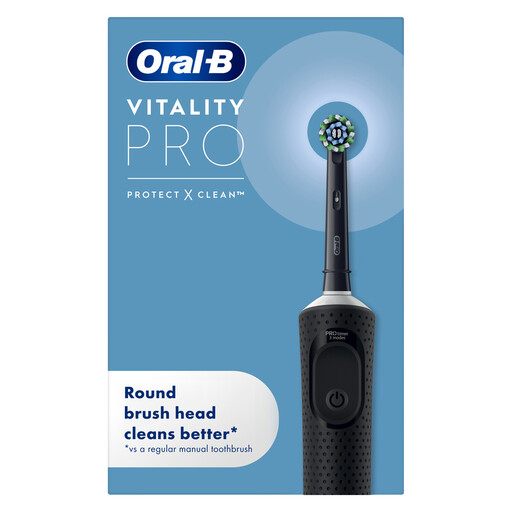
Why This Fits Their Persona: This model is an ideal first step up from a manual brush. It provides the core benefits—a 2-minute timer and superior plaque removal—without the complexity or cost of high-end features, making it a practical choice for UK households.
It avoids the "more modes" trap by offering three genuinely useful settings: Daily Clean, Sensitive and Sensitive Plus. It also uses widely available and affordable Oral-B replacement heads, keeping long-term costs down.
Features a dentist-inspired round brush head for effective tooth-by-tooth cleaning and includes a dedicated Sensitive Plus mode, making it suitable for an electric toothbrush for sensitive gums.
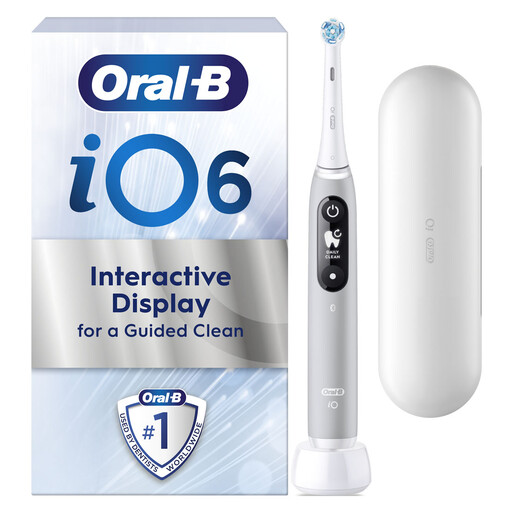
Why This Fits Their Persona: For those who love data and want to perfect their technique, the iO6 offers a great balance of smart features and performance. The app connectivity and AI tracking provide actionable feedback to improve brushing coverage and habits over time.
It sidesteps the "useless smart features" trap by providing genuinely helpful guidance. The AI recognition tracks where you've brushed, and the smart pressure sensor gives real-time visual feedback, justifying its position as a true smart toothbrush.
The Oral-B iO magnetic technology provides a noticeably quiet and smooth brushing experience. The interactive OLED display on the handle offers at-a-glance feedback without needing to open the app every time.
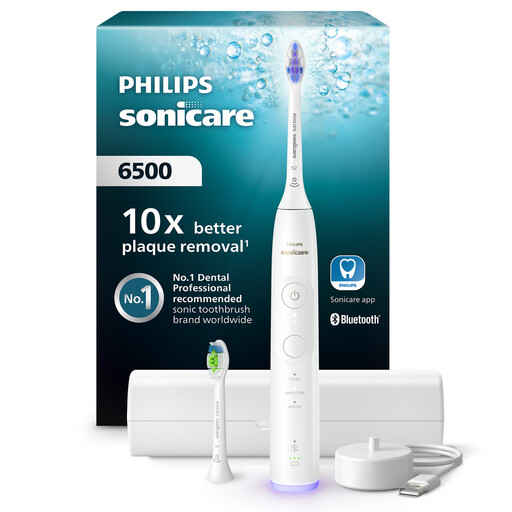
Why This Fits Their Persona: This brush is excellent for users who need to tailor their clean, particularly those with sensitive gums or who want a whitening electric toothbrush. The combination of modes and intensity levels offers a high degree of control.
Instead of just adding more modes, it provides 3 intensity levels for its 3 core modes (Clean, White, Gum Health). This offers 9 distinct settings, which is far more practical and customisable than a long list of single-setting modes.
The sonic toothbrush technology combined with a visual pressure sensor and dedicated Gum Health mode makes it a strong choice for gentle yet effective cleaning. BrushSync technology also tracks usage and reminds you when a replacement head is due.
We have compiled a complete, real-time list of products that fully satisfy these strict selection criteria and UK safety regulations.
Most manufacturers, including Oral-B and Philips, recommend replacing your brush head every three months. The bristles become frayed and less effective at removing plaque over time. Some brush heads have indicator bristles that fade to signal it's time for a change, while certain smart models will alert you via an app or on the handle itself.
Yes, absolutely. Many models are specifically designed for this. When choosing an electric toothbrush for sensitive gums, look for one with a pressure sensor to prevent you from brushing too hard. Also, select a model with a dedicated 'Sensitive' or 'Gum Care' mode and use a soft-bristled brush head. It is always a good idea to start on the lowest intensity setting to allow your gums to acclimatise.
This is a standard safety plug for low-power appliances intended for use in a bathroom environment. It is designed to fit the shaver sockets found in many UK bathrooms. If your bathroom does not have a shaver socket, you can use a simple and widely available 2-pin to 3-pin adapter to plug it into a standard wall socket elsewhere in your home. This does not affect the performance or safety of the device.