
24/7 Customer Support

Free returns

Same-day & Next-day Delivery

Quality Guaranteed

Unlock Your Welcome Offers: FREE Delivery | Up to 80% OFF | Free 30-day JoyPlus trial
Download the APP
Navigating the world of electric toothbrushes can feel overwhelming. With endless features, bold claims and a vast range of prices, it's easy to make a choice you later regret. As the Joybuy Product Recommendation Officer, my role is to help you sidestep the marketing jargon and focus on what truly matters for a healthier smile. Before you buy, let's look at the common pitfalls that catch out many UK shoppers.
To make a smart purchase, focus on the core specifications that directly impact cleaning performance and usability.
The two dominant technologies on the market are sonic and oscillating-rotating.
Neither is definitively superior; the choice often comes down to personal preference. Sonic models are often recommended for those with an electric toothbrush for sensitive gums, while oscillating heads are praised for their tooth-by-tooth polishing action.
One of the most common mistakes people make is brushing too hard, which can lead to gum recession and enamel wear. An electric toothbrush with a pressure sensor is a crucial feature that provides a physical alert—like a light or a change in vibration—when you apply too much force. This simple feedback mechanism helps protect your oral health in the long term.
Your choice of power source affects both convenience and long-term cost.
Based on these practical criteria, we've matched some standout models to different user needs.
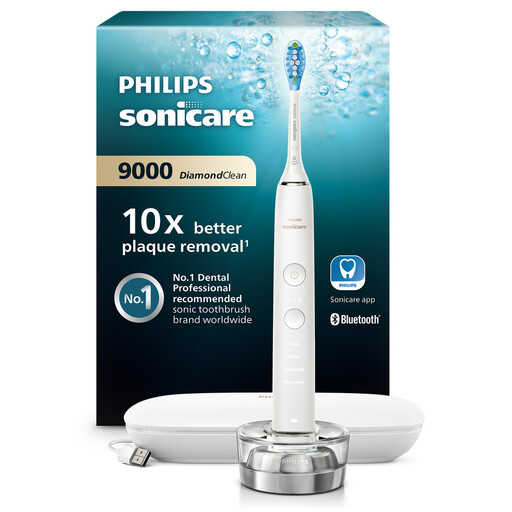
Why This Fits Their Persona: For the tech-savvy user who wants data-driven results, this brush connects to an app to provide real-time feedback on coverage and pressure. Its multiple modes and intensities allow for a truly personalised routine.
While it has multiple modes, they are distinct and functional (Clean, White+, Gum Health) and the BrushSync technology automatically selects the right one, adding genuine value rather than just complexity.
App-guided coaching for better brushing habits and a premium charging travelling case for convenience.
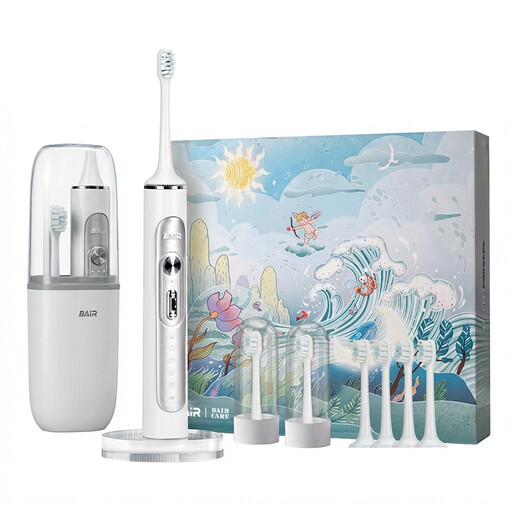
Why This Fits Their Persona: Ideal for those who prioritise convenience and value. This brush is built for people on the move or anyone who simply dislikes countertop clutter, offering an exceptionally long battery life and a handy travelling case.
It directly counters the battery life pitfall. The brand states a 180-day battery life from a single charge and its standard USB charging means you don't need to carry a proprietary dock, making it a true travel-ready option.
Exceptional battery longevity and an included premium travelling case provide outstanding practical value.
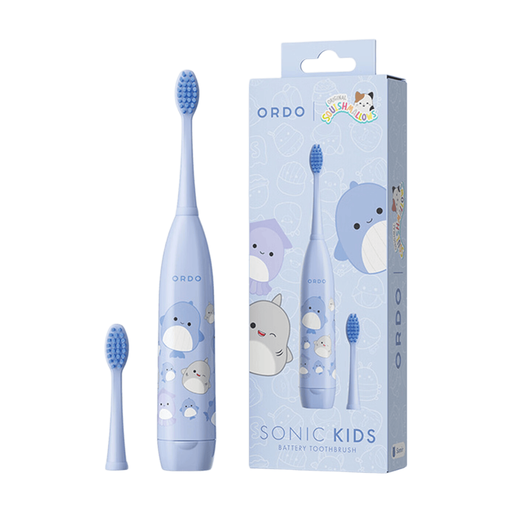
Why This Fits Their Persona: Getting children to brush properly can be a daily challenge. This brush uses a popular Squishmallows character design to make oral hygiene fun and engaging for children aged 4 and up, helping to build positive habits early.
It avoids feature overload by focusing on what kids need: a simple, one-button operation, soft bristles for delicate gums and a fun design. It's a straightforward, effective tool, not a complicated gadget.
The engaging character design encourages consistent use, while the gentle sonic technology provides an effective clean for developing teeth.
We have compiled a complete, real-time list of products that fully satisfy these strict selection criteria and UK safety regulations.
Most manufacturers and dental professionals recommend replacing your brush head every three months. Many modern brush heads have indicator bristles that fade over time to provide a visual reminder. Regular replacement is essential for both hygiene and cleaning effectiveness, as worn bristles do not remove plaque properly.
Yes, an electric toothbrush can be highly effective for those with braces or sensitive gums, provided you choose the right model and head. Look for a brush with a dedicated 'Sensitive' mode and a pressure sensor. For braces, a sonic toothbrush can be particularly good at cleaning around brackets and wires. Always use a brush head with soft bristles.
The main difference is the motion. A sonic toothbrush has a head that vibrates from side to side at very high speeds, creating dynamic fluid action to clean between teeth. An oscillating-rotating toothbrush has a round head that rotates in one direction and then the other, while also pulsating in and out to sweep away plaque. The choice is largely down to personal feel and preference.