
24/7 Customer Support

Free returns

Same-day & Next-day Delivery

Quality Guaranteed

Unlock Your Welcome Offers: FREE Delivery | Up to 80% OFF | Free 30-day JoyPlus trial
Download the APP
Navigating the world of electric toothbrushes can feel overwhelming. With endless models boasting a dizzying array of features, it is easy to fall for marketing hype and end up with a device that is either overly complicated or fails to meet your basic oral hygiene needs. As a Joybuy Product Recommendation Officer, my role is to help you see past the clutter and focus on what truly matters for a cleaner, healthier smile.
Before you invest, let's look at some common pitfalls that UK shoppers encounter. Understanding these can save you both money and frustration.
To make a sensible choice, focus on the core technology that delivers a better clean than a manual toothbrush. Here are the three parameters that make the biggest difference.
This is the fundamental difference in how electric toothbrushes work. There is no single "better" option; it comes down to personal preference and what feels most comfortable for you.
One of the most common mistakes people make is brushing too hard, which can lead to gum recession and enamel wear. A toothbrush with a pressure sensor is the single most important feature to prevent this. When it detects you are applying too much force, it will alert you by lighting up, vibrating or automatically reducing the motor speed. This is an essential feature, particularly if you have a toothbrush for sensitive gums or are new to electric brushing.
A key advantage of an electric toothbrush is its ability to guide your routine. Look for these two features:
Based on these practical criteria, we have matched some standout options to different user needs.
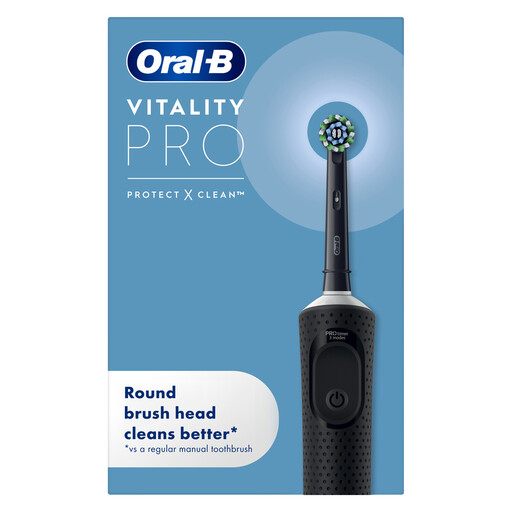
Why This Fits Their Persona: This is an ideal entry point for anyone in the UK upgrading from a manual toothbrush. It provides the core benefits of electric brushing—a timer, multiple modes and superior plaque removal—without an intimidating price tag or overly complex features.
It sidesteps the "smart feature" trap by focusing purely on effective cleaning. You get the essential modes (Daily Clean, Sensitive, Sensitive Plus) and a quadrant timer without paying for app connectivity you might not use.
Its compatibility with a wide range of affordable Oral-B brush heads keeps the long-term cost of ownership low. The inclusion of a 'Sensitive' mode makes it a safe starting point.
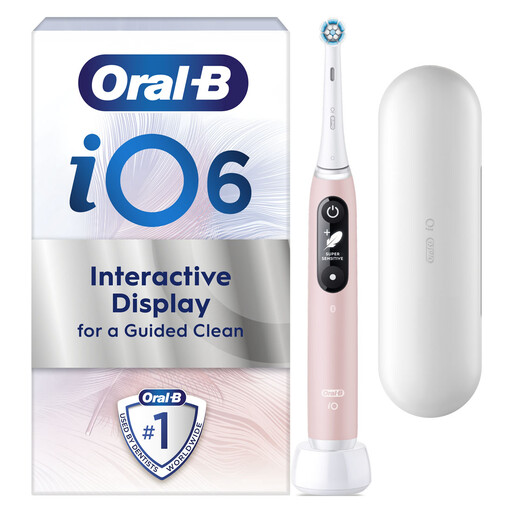
Why This Fits Their Persona: For the user who wants to invest in a premium experience with detailed feedback. The advanced iO magnetic technology, multiple modes and smart features are perfect for someone dedicated to optimising their oral health routine.
While it is a full-featured smart toothbrush, its most useful feedback—mode selection, battery life and pressure warnings—is delivered directly on the handle's interactive display. This makes the smart features genuinely useful without total reliance on the app.
The iO magnetic drive delivers a uniquely quiet and smooth yet powerful clean. Its five modes, including 'Gum Care' and 'Whitening', offer true personalisation for specific goals.
We have compiled a complete, real-time list of products that fully satisfy these strict selection criteria and UK safety regulations.
This is normal and a standard safety feature for low-power appliances used in UK bathrooms. These 2-pin plugs are designed to fit the shaver sockets found in many bathrooms. If you do not have a shaver socket, you can use a simple and widely available 2-pin to 3-pin adapter to charge it from any standard UK wall socket. This does not affect the performance or safety of the toothbrush.
The universal recommendation from dentists is to replace your brush head every three months. Over time, bristles fray and become less effective at removing plaque. Some brush heads have indicator bristles that fade in colour to remind you when it is time for a change. If you notice the bristles are visibly worn or splayed before the three-month mark, you should replace the head sooner.
Both technologies can be suitable for sensitive gums, provided you choose the right settings and head. Both oscillating and sonic models offer 'Sensitive' modes that reduce the intensity of the brushing action. The most important factor is using a soft-bristled brush head designed for sensitive teeth. The choice between the two technologies often comes down to personal feel. Some people prefer the smaller, tooth-by-tooth cleaning of an oscillating head, while others find the high-frequency vibrations of a sonic brush more comfortable.