
24/7 Customer Support

Free returns

Same-day & Next-day Delivery

Quality Guaranteed

Unlock Your Welcome Offers: FREE Delivery | Up to 80% OFF | Free 30-day JoyPlus trial
Download the APP
Switching to an electric toothbrush can feel like a significant step up for your oral hygiene routine. However, the market is flooded with models boasting features that sound impressive but often add more to the price tag than to your daily clean. Many UK shoppers find themselves caught out by overhyped technology or hidden long-term costs.
As the Joybuy Product Recommendation Officer, my role is to help you navigate this landscape. We will look past the marketing jargon and focus on what truly matters. Before you spend your money, let’s uncover the common pitfalls to avoid.
rechargeable toothbrush that functions just like a simpler model.travel electric toothbrush that dies halfway through a week-long holiday is a common frustration. Advertised battery life is often based on the lowest power setting, not the powerful daily clean you actually need.To make a sensible choice, focus on the functional specifications that directly impact your oral health and user experience. Here are the three non-negotiable parameters to check.
These two features are the foundation of a good electric toothbrush and are widely recommended by dental professionals.
The debate between these two technologies is ongoing, but understanding the difference helps you choose based on personal preference.
For a device you use twice daily, convenience is key. A reliable rechargeable toothbrush should last at least a week between charges.
Instead of a one-size-fits-all approach, we have matched our recommendations to specific user needs and priorities.
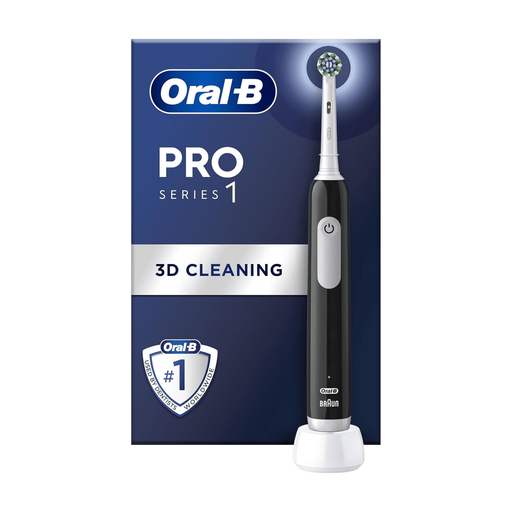
Why This Fits Their Persona: This model is ideal for anyone upgrading from a manual brush. It provides the core, dentist-recommended features without the intimidating price tag, offering a tangible improvement in cleaning performance for daily use.
It skips the unnecessary "smart" features, focusing on the essentials. Replacement heads for this Oral-B electric toothbrush are widely available and competitively priced, avoiding the hidden cost trap.
Includes both a 2-minute timer and a gum pressure sensor. It also offers three cleaning modes, including one for sensitive teeth.
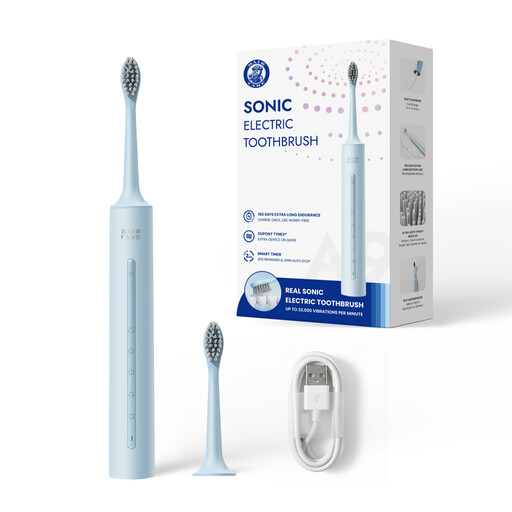
Why This Fits Their Persona: For those who travel often for work or leisure, packing a charger is one more hassle. This sonic toothbrush is built for life on the road, offering months of use from a single charge, making it a truly reliable travel companion.
It directly solves the misleading battery life problem. An advertised 180-day battery life means you can pack it for an extended trip without ever thinking about the charger.
Exceptional battery performance. It also features 5 cleaning modes, 3 intensity levels and is IPX7 waterproof, offering versatility alongside its primary travel-friendly benefit.
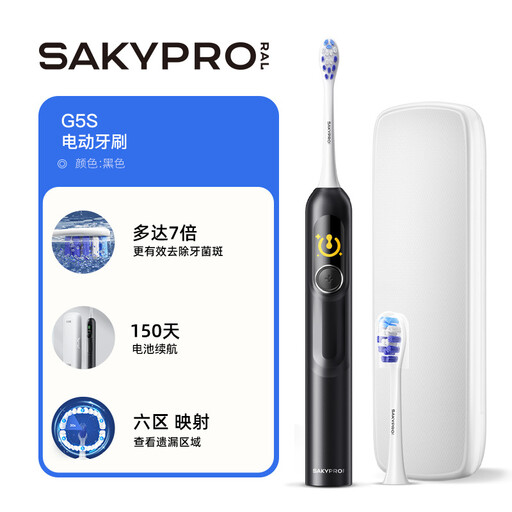
Why This Fits Their Persona: This is for the user who appreciates data and feedback. The on-handle smart screen provides real-time brushing maps and guidance, offering a "smart" experience without the hassle of syncing to a phone app.
It sidesteps the "useless app" trap by integrating its smart features directly into the device's screen. It also boasts an impressive 150-day battery life, countering the poor battery performance pitfall.
The on-device smart screen provides instant feedback on coverage. It also includes a travel case and a 3-minute timer, offering a comprehensive package for the modern user.
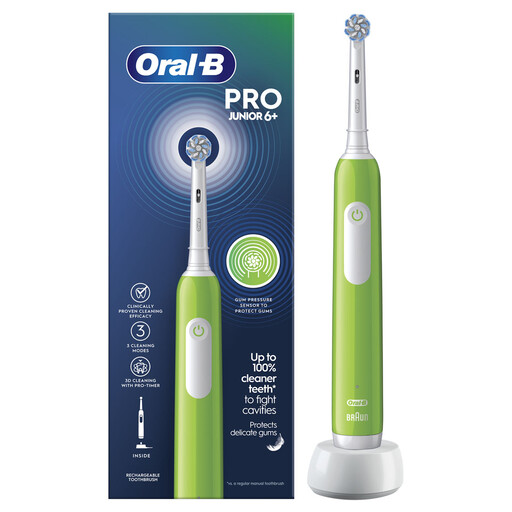
Why This Fits Their Persona: Establishing good oral hygiene habits early is vital. This kids electric toothbrush is specifically designed for children aged 6+, with features tailored to their smaller mouths and more sensitive gums.
It avoids the "one-size-fits-all" trap by being a purpose-built product. An adult brush can be too large and powerful for a child, but this model ensures a safe and effective clean for younger users.
Features extra-soft bristles to protect young enamel and a slim, ergonomic handle for small hands. The built-in 2-minute timer helps teach good habits from the start.
We have compiled a complete, real-time list of products that fully satisfy these strict selection criteria and UK safety regulations.
1. How often should I replace my electric toothbrush head? It is generally recommended to replace your brush head every three months, or sooner if the bristles become visibly frayed or splayed. Worn bristles are less effective at cleaning. Many brush heads from brands like Oral-B include indicator bristles that fade over time to serve as a visual reminder.
2. What is the difference between a sonic and an oscillating electric toothbrush? The main difference is the motion. An oscillating-rotating toothbrush has a round head that spins back and forth to scrub teeth, while a sonic toothbrush has a head that vibrates at a very high frequency. Both methods are effective for plaque removal, so the choice often comes down to which sensation you prefer.
3. My new electric toothbrush came with a 2-pin plug. Is this a mistake? No, this is perfectly normal and safe. In the UK, low-power bathroom appliances like electric toothbrushes and shavers are legally required to come with a 2-pin plug (BS 4573). These are designed to fit the shaver sockets found in most modern bathrooms. If you need to charge it from a standard 3-pin wall socket, you can use a simple and widely available 2-pin to 3-pin converter adapter.