
24/7 Customer Support

Free returns

Same-day & Next-day Delivery

Quality Guaranteed

Unlock Your Welcome Offers: FREE Delivery | Up to 80% OFF | Free 30-day JoyPlus trial
Download the APP
Replacing a manual toothbrush with an electric model can make brushing more consistent, but the right choice depends on practical details rather than impressive-sounding claims. UK shoppers often compare a sonic electric toothbrush with an oscillating model, then overlook replacement-head costs, charging compatibility or pressure control.
This guide explains the features that matter when choosing an electric toothbrush UK shoppers can use comfortably at home, at work or while travelling.
A high vibrations-per-minute figure may look persuasive, but it does not automatically make a toothbrush suitable for you. Brushing technique, head design, pressure control and a reliable timer all affect everyday use. A lower-powered sensitive mode may be more useful than maximum intensity if your gums feel uncomfortable.
Whitening, gum care, polish and deep-clean modes can be helpful, but only if you will use them. Some shoppers pay extra for app connectivity or displays that add little to a simple morning and evening routine. Consider whether you need guided brushing or whether a toothbrush with pressure sensor and timer would cover your priorities.
The handle is only part of the long-term cost. Check the price and availability of compatible replacement heads, recommended replacement intervals and battery performance. Also confirm the plug type. Several models listed for UK shoppers include a UK 2-pin plug, which is designed for suitable bathroom shaving sockets; a suitable adapter may be required for a standard three-pin socket.
Oscillating-rotating models use a small round head that moves around individual teeth. Sonic models use rapid bristle movement and are often chosen by people who prefer a broader sweeping sensation. Neither format removes the need to guide the brush slowly around the mouth.
Look for a head that can reach the back molars without feeling bulky. Replacement-head compatibility also matters: some systems accept several head styles, while others use a dedicated head range.
A pressure sensor provides a visual, vibration or sound alert when you press too firmly. This is a useful safeguard for shoppers upgrading from a manual brush, particularly if they tend to scrub aggressively.
A two-minute timer with 30-second quadrant prompts helps divide brushing into four sections. This feature is available on many Oral-B electric toothbrush models and Philips Sonicare toothbrush options, as well as several less expensive rechargeable electric toothbrushes.
Battery claims are usually based on two two-minute sessions per day, so actual use varies with mode and frequency. A model offering around one to two weeks may suit most home routines. If you travel regularly, look for a long battery life electric toothbrush, USB charging or a dedicated case.
A travel case protects the brush head in a wash bag, but check whether it holds the charger and spare heads. Waterproofing information also varies, so follow the manufacturer’s cleaning instructions and keep charging connections dry.
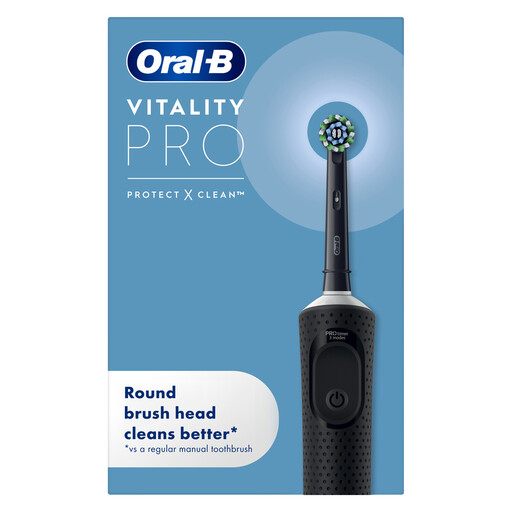
Why This Fits Their Persona: A straightforward rechargeable electric toothbrush for adults who want guided brushing without app features or a complex display.
It focuses on useful basics: three modes, a pressure sensor and 30-second interval reminders rather than unnecessary connected features.
Round brush head, three cleaning modes and a rechargeable battery with typical use of up to around 10 days.
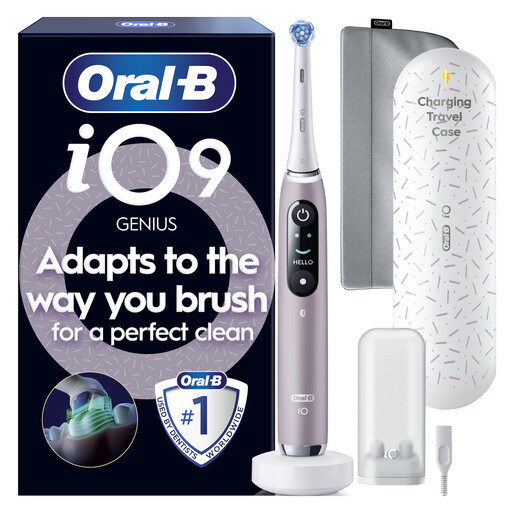
Why This Fits Their Persona: Suits shoppers who value detailed feedback, multiple cleaning settings and a travel-ready charging solution.
The specification makes its added cost clear: seven modes, an OLED display, app connectivity, pressure feedback and a dual-charging travel case.
Seven modes, a colour pressure indicator, two-minute timer and battery life of up to two weeks.
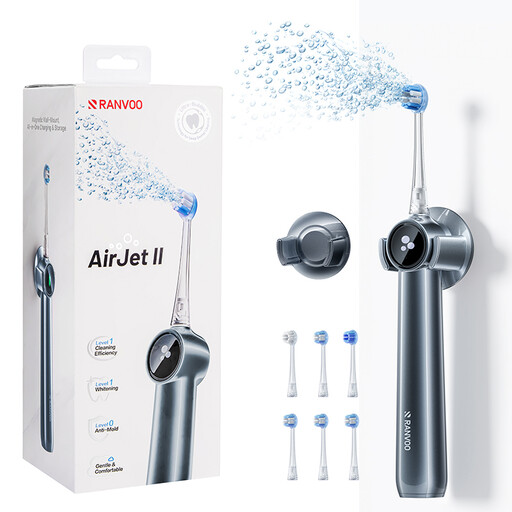
Why This Fits Their Persona: Its extended battery claim and multiple included heads suit people who travel often or dislike frequent charging.
The long-runtime specification is paired with four modes, a two-minute timer and six brush heads, making the feature set easier to assess.
Four modes, IPX7-rated body, magnetic wall-mounted charging stand and up to 60 days of stated battery use in gentle mode.
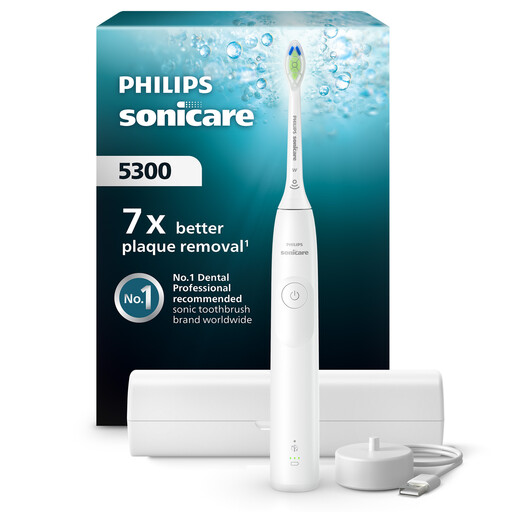
Why This Fits Their Persona: A practical option for shoppers who prefer sonic movement, gentler settings and a compact case for weekends away.
It combines a pressure sensor and guided timer with clearly listed Clean, White and Gum Care modes rather than relying on vague whitening language.
Sonic cleaning, three modes, BrushSync replacement reminders, travel case and up to two weeks of stated battery life.
We have compiled a complete, real-time list of products that fully satisfy these strict selection criteria and UK safety regulations.
It can be worthwhile if the timer, pressure feedback and powered movement help you brush more consistently. The most suitable model depends on your preferred cleaning action, sensitivity, budget and replacement-head costs.
Battery life ranges widely. Many everyday models provide roughly one to two weeks under typical use, while some USB-charged sonic models state considerably longer runtimes. Actual performance depends on mode, brushing frequency and battery condition.
Choose a sensitive or gum-care mode, a soft brush head and a pressure sensor. Start at a lower intensity and stop using the device if you experience persistent discomfort. If you have a specific oral condition or recent dental treatment, seek advice from your dentist before changing your routine.