
24/7 Customer Support

Free returns

Same-day & Next-day Delivery

Quality Guaranteed

Unlock Your Welcome Offers: FREE Delivery | Up to 80% OFF | Free 30-day JoyPlus trial
Download the APP
An electric toothbrush can make a two-minute brushing routine easier to follow, but choosing one is not simply about selecting the handle with the highest vibration count. Battery design, pressure control, replacement heads and charger compatibility all affect whether the brush remains convenient after the first few weeks.
For UK shoppers, the following pitfalls are worth checking before buying.
A high vibration-per-minute figure may sound impressive, but it does not automatically indicate a more suitable brush. A comfortable head size, gentle bristles and an effective timer may matter more for consistent daily use. Sonic electric toothbrush models can offer a sweeping vibration action, while round-head oscillating models are designed to work tooth by tooth.
Brushing harder is not the same as brushing more effectively. Excessive pressure can make brushing uncomfortable, particularly for users with sensitive gums. Look for an electric toothbrush with pressure sensor technology, such as a visual alert or automatic speed reduction.
A low purchase price can become less attractive if replacement heads are difficult to source or the battery needs frequent charging. Check the number of heads supplied, expected battery runtime and the charging method. Also confirm whether a UK 2-pin plug requires a suitable adapter for your bathroom socket.
Oscillating-rotating models use a small round head that can be guided from tooth to tooth. Sonic models use rapid side-to-side movement across the brushing area. Neither format is automatically right for everyone, so consider the brushing style you find easiest to control.
Multiple modes can be useful when they serve a clear purpose. Sensitive, gum-care, daily cleaning and whitening settings allow you to reduce intensity or focus on surface stain removal. However, extra modes should not be treated as a substitute for suitable technique and regular brush-head replacement.
A two-minute timer with 30-second intervals encourages even attention across the four sections of the mouth. This is a practical feature for adults and children who tend to finish too quickly.
Pressure sensors vary. Some provide a light or sound alert, while others reduce the brushing speed when excess force is detected. For an electric toothbrush for sensitive gums, choose a model with a clear response and pair it with a soft or extra-soft replacement head.
Battery claims are usually based on specified usage, such as two two-minute sessions each day. Actual runtime depends on the selected mode and charging condition. For comparison:
A rechargeable electric toothbrush with a charging stand suits permanent home use, while a travel case and USB cable can be more convenient for holidays or work trips. Models with IPX7 water resistance can generally be rinsed according to their instructions, but chargers and charging ports should still be kept dry.
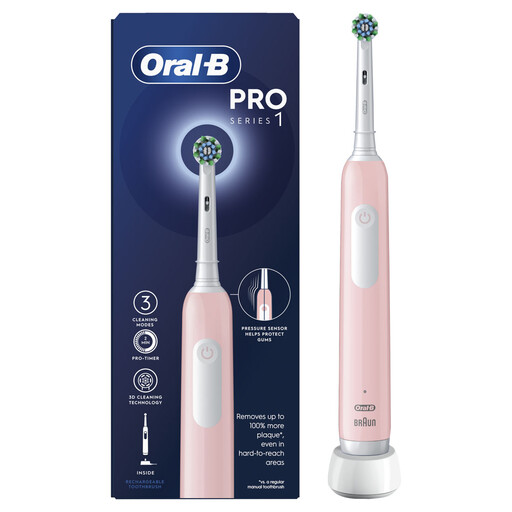
Why This Fits Their Persona: A straightforward rechargeable option for adults who want guided brushing without Bluetooth or complicated controls.
It includes a two-minute timer with 30-second zone reminders, helping avoid rushed brushing.
Three modes, a pressure sensor, a rechargeable battery and compatibility with Oral-B replacement heads.
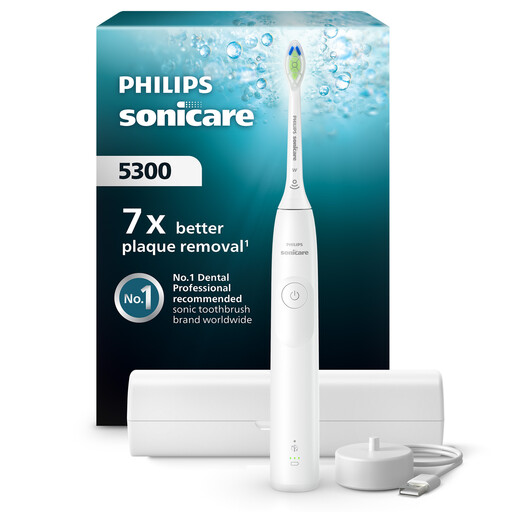
Why This Fits Their Persona: Suitable for users who want sonic brushing, guided timing and a compact case for commuting or travel.
The pressure sensor, SmartTimer and QuadPacer provide practical feedback rather than relying on vibration claims alone.
Three listed modes, up to two weeks of battery life, a travel case and brush-head replacement reminders.
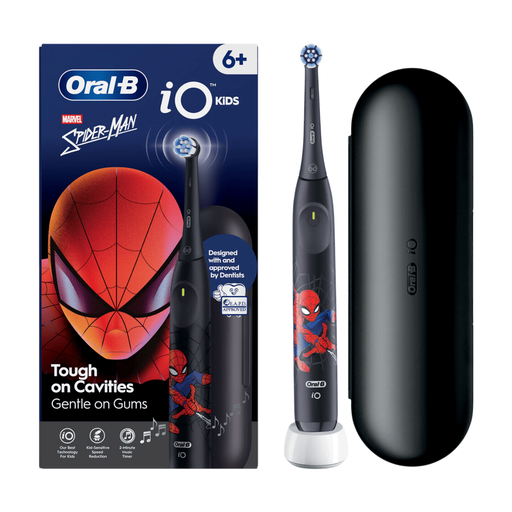
Why This Fits Their Persona: Designed for children aged 6 and over, with gentle modes and character-based timing to make supervised brushing more engaging.
It combines a pressure sensor, three gentle modes and a two-minute timer instead of relying on a character design alone.
Suitable for ages 6+, Bluetooth compatibility with the Disney Magic Timer app and a travel case. Adult supervision remains important.
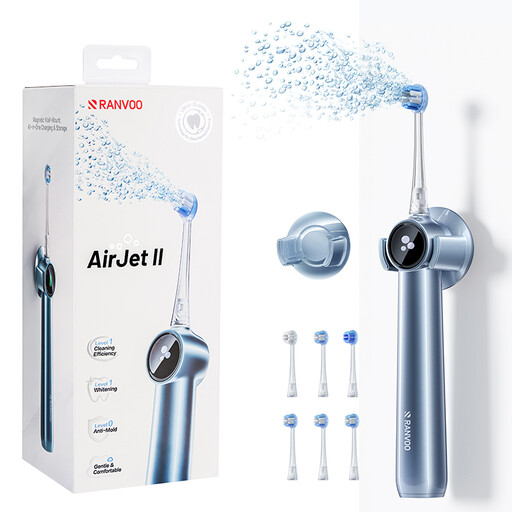
Why This Fits Their Persona: A practical choice for users prioritising long battery intervals, several modes and included replacement heads.
The stated battery figure is linked to gentle-mode usage, making the comparison more transparent than an unexplained runtime claim.
Four modes, a two-minute timer, IPX7-rated body and a magnetic wall-mounted charging stand.
An electric toothbrush cleans tooth surfaces and the gumline, but it does not replace interdental cleaning. A portable water flosser can be useful for users who prefer pulsating water, have orthodontic appliances or want an additional bathroom routine.
The H2ofloss Portable Water Flosser includes six modes, five spray heads, a 2500mAh battery, a 500ml or 570ml tank depending on the listed version and an IPX7 waterproof rating. Keep the stream away from the back of the throat, use water below 50°C and ensure the charging area is dry before charging. View the H2ofloss Portable Water Flosser, Black for the full specification.
We have compiled a complete, real-time list of products that fully satisfy these strict selection criteria and UK safety regulations.
A common guide is around every three months, or sooner if the bristles become splayed or worn. Follow the product instructions, particularly for children’s brush heads and whitening-focused designs.
The main ongoing cost is replacement heads. Battery charging normally uses little electricity, but the total cost depends on the model, replacement-head price and how many heads are included. A set with several supplied heads may reduce the initial replacement expense.
Yes, provided the product is packed safely and charged according to its instructions. A travel case helps protect the head, while USB charging can be convenient away from home. For models supplied with a UK 2-pin plug, check whether your accommodation has a compatible low-power socket or take a suitable adapter.