
24/7 Customer Support

Free returns

Same-day & Next-day Delivery

Quality Guaranteed

Unlock Your Welcome Offers: FREE Delivery | Up to 80% OFF | Free 30-day JoyPlus trial
Download the APP
Choosing an electric toothbrush can seem straightforward until you compare sonic vibration rates, brushing modes, pressure sensors, battery claims and replacement brush heads. A low-priced model may cover the essentials, while an expensive handle may include app features you never use.
The practical choice is not the toothbrush with the longest specification list. It is the model that matches your brushing habits, age, sensitivity, charging routine and budget.
Marketing often highlights plaque-removal percentages, vibration rates or whitening promises. These figures may be based on specific brand comparisons and should not be treated as a guaranteed result for every user.
Instead, check features that affect daily use:
A sophisticated motor cannot compensate for inconsistent brushing or an unsuitable brush head.
The handle is only the initial purchase. Brush heads generally need replacing around every three months, or sooner if the bristles become worn. Before buying, check the price, availability and compatibility of replacement brush heads.
Some premium handles, including Oral-B iO models, use dedicated iO heads rather than fitting every brush head in the wider range. This can limit your future choices compared with a standard Oral-B electric toothbrush.
A quoted battery life usually assumes two short brushing sessions per day and may vary with the selected mode. A long-lasting battery electric toothbrush is convenient for holidays, but charging time and charger type still matter.
Also check the plug supplied. Several models listed for UK shoppers use a UK 2-pin plug, which is standard for low-power bathroom appliances such as electric toothbrushes and shavers. A suitable adapter may be needed for a standard three-pin socket.
A sonic electric toothbrush uses rapid side-to-side movement, while oscillating-rotating models use a smaller round head that moves across individual teeth. Neither format automatically suits everyone.
If you prefer a light, sweeping sensation, sonic brushing may feel more natural. If you want to guide a compact head tooth by tooth, a round-head design may be preferable. For first-time users, fewer modes can make the routine easier rather than less effective.
A whitening electric toothbrush usually means a dedicated mode or polishing-style brush head intended to help remove surface stains. It should not be treated as a substitute for professional dental treatment.
A pressure sensor is useful if you tend to scrub firmly. Depending on the model, it may use a light, sound or vibration change to indicate excessive pressure. This is a guidance feature, not a diagnosis of gum problems.
A two-minute timer with quadrant reminders helps divide the mouth into four sections. Some models add an automatic pause or a light signal every 30 seconds. These simple functions can be more useful than app connectivity if you want a straightforward routine.
Look for the stated battery runtime, charging method and included accessories. A travel case protects the brush head in a wash bag, while a USB-C cable or compact charging base may suit frequent travellers.
Water resistance ratings should also be read carefully. A handle described as washable or IPX7-rated may be rinsed according to the instructions, but the charger and charging port should remain dry. Never charge a wet handle or use a damaged cable.
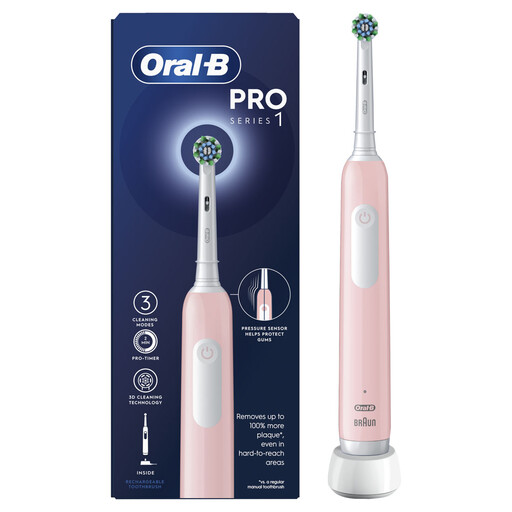
Why This Fits Their Persona: A rechargeable entry point for shoppers who want familiar controls without Bluetooth, app guidance or a large accessory bundle.
It provides a two-minute timer, three modes and pressure control rather than relying only on headline cleaning claims.
Round brush head, rechargeable battery, three modes and compatibility with a range of Oral-B replacement heads.
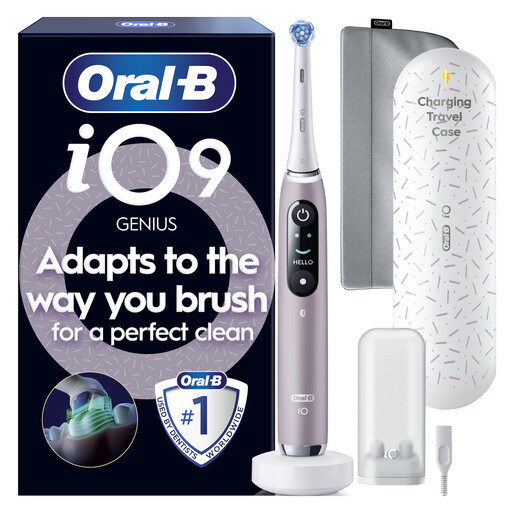
Why This Fits Their Persona: Suitable for users who value detailed brushing guidance, multiple modes and a charging travel case for regular trips.
Its pressure feedback and timer make technique easier to monitor, while the case addresses storage and travel needs.
Seven modes, OLED display, Bluetooth app compatibility, pressure sensor and up to two weeks of stated battery life.
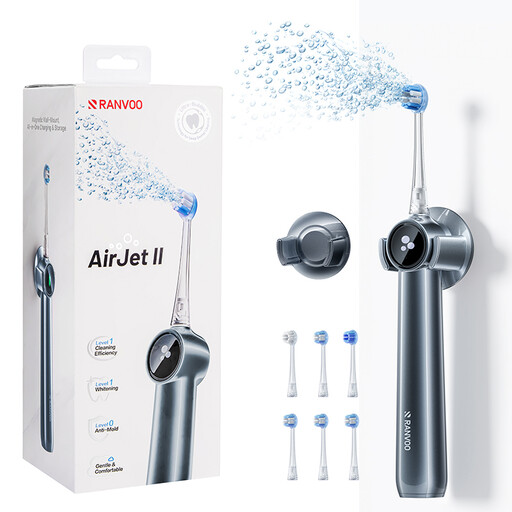
Why This Fits Their Persona: A practical match for frequent travellers or households wanting extended battery life, several modes and extra brush heads.
The stated battery figure is paired with six included brush heads, making the accessory contents clearer than a handle-only purchase.
Four modes, pressure-sensitive controls, IPX7-rated body and a magnetic wall-mounted charging stand.
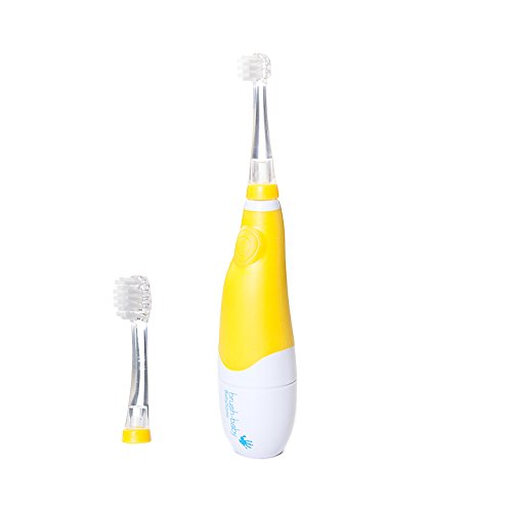
Why This Fits Their Persona: Designed specifically for babies and toddlers, with a small handle, soft bristles and adult supervision requirements.
It avoids the common mistake of giving a full-sized adult handle to a young child and clearly states the 0–3 age range.
Soft brush heads, gentle vibration, suction base and a two-minute light timer with 30-second prompts.
We have compiled a complete, real-time list of products that fully satisfy these strict selection criteria and UK safety regulations.
Children should use an electric toothbrush for children only at the recommended age, with adult supervision where the instructions require it. A model for ages 6+ is not automatically suitable for toddlers.
It can be, depending on the brush-head price and charging habits. Rechargeable models avoid regular disposable batteries, but replacement heads remain an ongoing cost. Compare the price and availability of compatible heads before buying.
The handle may last for several years with careful use, but battery capacity can decline over time. Keep the charger dry, avoid dropping the handle and stop using the product if it becomes damaged, unusually hot or gives off an unusual smell.
Choose a sensitive or gentle mode, use soft bristles and let the brush do the movement rather than pressing firmly. If brushing causes persistent discomfort or bleeding, seek advice from a dental professional rather than relying on a product setting alone.