
24/7 Customer Support

Free returns

Same-day & Next-day Delivery

Quality Guaranteed

Unlock Your Welcome Offers: FREE Delivery | Up to 80% OFF | Free 30-day JoyPlus trial
Download the APP
Choosing among electric toothbrushes can feel surprisingly complicated. Product pages often highlight vibration counts, artificial intelligence, whitening modes and exceptionally long battery claims, but these figures do not always tell you whether a brush suits your routine.
For UK shoppers, the practical questions are simpler: can you control brushing pressure, find compatible replacement heads, charge it safely and use it comfortably twice a day? The following guide cuts through common sales tactics and compares suitable options for different households.
A premium rechargeable electric toothbrush may offer five to seven modes, Bluetooth coaching and a colour display. These features can be useful if you want detailed guidance, but they add cost and may not improve your routine if you mainly use Daily Clean or Sensitive mode.
Before paying more, decide whether you genuinely need app tracking, whitening settings, tongue cleaning or multiple intensity levels. A simpler model with a timer and pressure sensor may be more practical for everyday use.
“Up to” battery figures are usually based on specific settings and brushing frequency. A long battery life electric toothbrush may last considerably less when used on an intensive mode or by more than one person.
Check the charging method as well as the headline figure. Mains charging stands are convenient at home, while USB or travel-case charging can be more useful for holidays. Some products use a UK 2-pin plug, which is normal for low-power appliances such as electric toothbrushes and shavers. You may need a suitable adaptor for a three-pin socket.
Brush heads are an ongoing cost. Oral-B iO handles, for example, use Oral-B iO heads only, while other Oral-B rechargeable models may accept different head families. A low purchase price can become less attractive if replacement heads are difficult to source or only available in expensive multipacks.
Also check the manufacturer’s replacement guidance. Philips Sonicare toothbrush models with BrushSync can provide a replacement reminder, while some simpler handles rely on fading bristles or your own calendar.
A sonic toothbrush uses rapid bristle movement, while oscillating-rotating models use a smaller round head that moves around individual teeth. Neither format automatically suits everyone. Sonic models may feel familiar to manual-brush users, whereas a round head can make it easier to work tooth by tooth.
Marketing terms such as “microbubbles”, “professional clean” or high vibration-per-minute figures should be treated as product descriptions rather than a guarantee of personal results. Technique, coverage and consistent two-minute brushing remain important.
An electric toothbrush with pressure sensor is a sensible consideration if you tend to brush forcefully or have sensitive gums. Sensors may use a light, sound or change in motor behaviour to indicate excessive pressure. Some premium handles also indicate when pressure is too light or within the recommended range.
This feature is guidance, not a treatment for gum problems. Stop using a brush if it causes persistent discomfort or unusual bleeding and speak to a dentist if symptoms continue.
A two-minute timer with 30-second quadrant prompts can help divide brushing evenly. For frequent travellers, compare the actual travel case: some cases only protect the handle, while others charge the brush or include space for heads.
Look for a waterproof rating where stated, but keep chargers, charging ports and mains connections dry. Products supplied with USB charging should be used with a suitable certified power source, following the manufacturer’s instructions.
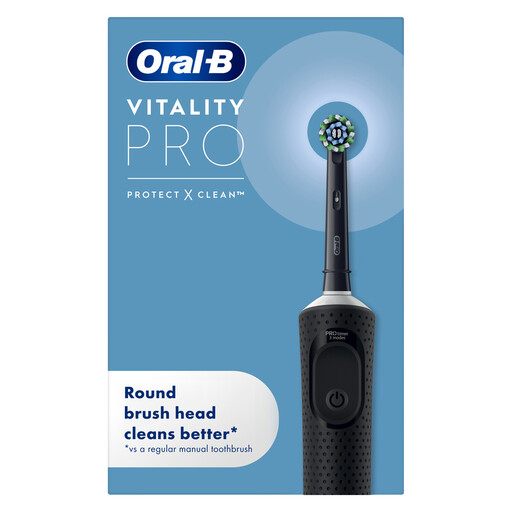
Why This Fits Their Persona: A straightforward option for adults moving from manual brushing without paying for app connectivity or a colour screen.
It focuses on three modes, a two-minute timer and 30-second zone reminders rather than unused smart features.
Rechargeable handle, three modes, round brush head and pressure sensor; battery life is listed at up to 10 days.
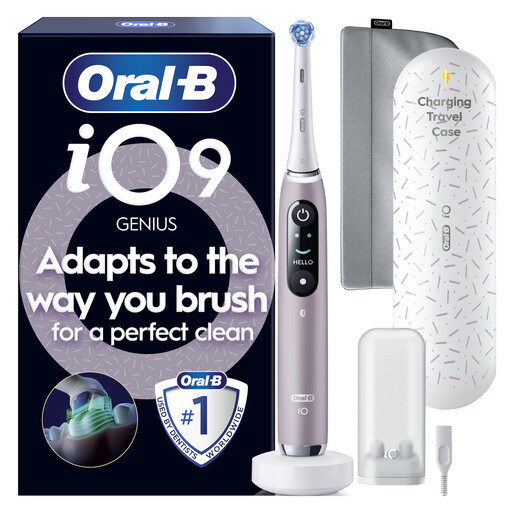
Why This Fits Their Persona: Suitable for shoppers who value detailed brushing feedback, multiple modes and a premium travel setup.
The feature list is clear: seven modes, pressure feedback, a two-minute timer, app connectivity and a stated battery life of up to two weeks.
OLED display, AI position tracking, smart pressure sensor and dual-charging travel case. It uses Oral-B iO heads only.
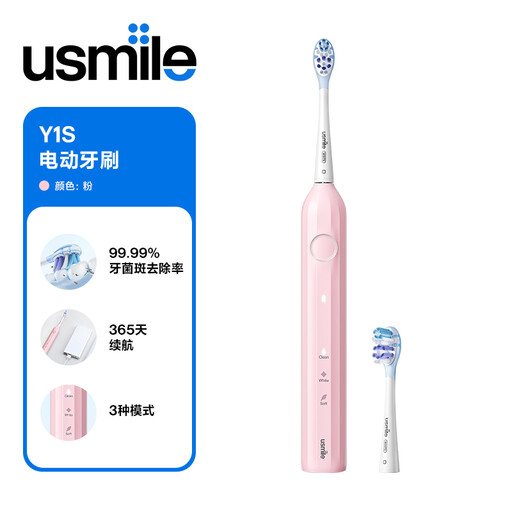
Why This Fits Their Persona: Its listed six-month battery duration and travel case suit frequent travellers or anyone who dislikes regular charging.
It makes its battery and charging requirements prominent, helping buyers compare convenience rather than vibration figures alone.
Three cleaning modes, smart timer, travel case and USB charging; the product listing states up to six months per charge.
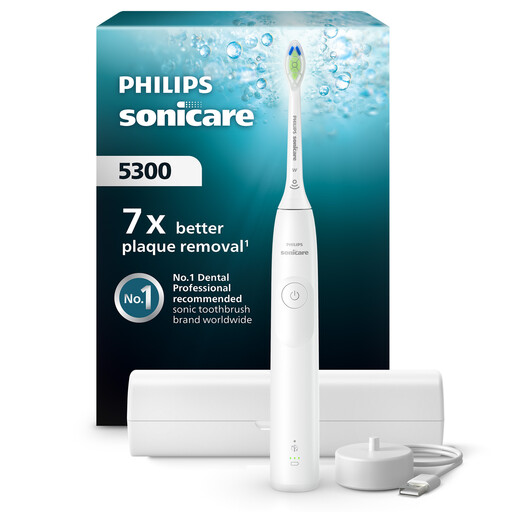
Why This Fits Their Persona: A practical sonic toothbrush choice for users seeking gentle guidance, stain-focused cleaning and straightforward travel storage.
It lists its pressure sensor, two intensities, timer and replacement reminder, rather than relying only on whitening language.
Clean, White and Gum Care settings, pressure sensor, BrushSync reminder, travel case and up to two weeks of stated battery life.
We have compiled a complete, real-time list of products that fully satisfy these strict selection criteria and UK safety regulations.
The handle and built-in battery can last for several years, but battery performance gradually reduces. Brush heads generally need replacing around every three months, or sooner when bristles become worn. Check the specific warranty and replacement-head availability before buying.
Running costs include electricity and replacement heads. Charging uses relatively little power, so replacement heads are usually the larger ongoing expense. Duo packs can be economical for couples, provided both users can obtain compatible heads easily.
Yes. Choose a model with a travel case and confirm its charging arrangement. A case protects the handle and head, while a dual-function case may charge the brush during travel. Keep charging equipment dry and use the supplied charger or an appropriate certified USB power source.