What matters when choosing
Start with a brush you can move around your whole mouth for about two minutes, then decide whether pressure feedback or a particular brushing action would help you use it consistently. The NHS says manual and electric brushes can both work when you clean all tooth surfaces and use fluoride toothpaste.
Round-head brushing
Consider it when: You prefer to position a round head tooth by tooth around your front teeth; Oral-B describes this approach for its iO range.
Keep in mind: The brushing action does not cover the inner surfaces for you, and iO handles require heads from the compatible iO range.
Sonic brushing
Consider it when: You prefer a slim handle and want pressure feedback with prompts to move around your mouth; Philips lists these features for the Sonicare 3100.
Keep in mind: Pacing cannot tell whether you reached every surface, and replacement-head fitting depends on the exact handle.
| Concern |
What to check |
Who this matters to |
| Coverage and reach |
Look for a small or compact head that fits the exact handle, plus pacing if you often overlook other areas. |
I spend time on my visible front teeth but can miss the backs and gumline; around 31% of consumers put systematic coverage first. |
| Brushing pressure |
Check how the exact model alerts you when you press too hard, and whether it offers a gentler setting if you want one. |
When I catch myself scrubbing near my gums, I want a cue to ease off; roughly 31% of consumers make pressure control their main concern. |
| Daily routine |
Check for a two-minute timer and, if useful, prompts to move to another area every 30 seconds. |
I want help completing a thorough twice-daily brush without relying on extra coaching features; about 23% of consumers prioritise a simple routine. |
| Ongoing use |
Confirm replacement-head compatibility and availability, and check that the supplied charging equipment suits your setup. |
Before committing to a handle, I want to know which heads I can buy and how I will charge it; around 15% of consumers place these ownership checks first. |
Brands to consider
These brands illustrate different toothbrush options to investigate, not a comparison of every model each brand makes.
Oral-B
A reference point if you prefer a round-head, tooth-by-tooth approach. Oral-B describes timing and visible pressure feedback within its iO range.
- The described iO pressure display gives a visible cue when you press too hard.
- Check whether the replacement heads fit an iO or a non-iO handle; do not assume the ranges use the same heads.
Philips Sonicare
A sonic option for readers who prefer a slim handle. Philips specifies a pressure sensor, two-minute SmartTimer and 30-second QuadPacer for the Sonicare 3100 HX3671/11.
- The specified pacing provides reminders to move around the mouth during a timed brush.
- Confirm head compatibility for the exact handle; the compact ProResults HX6024/26 head described by Philips is discontinued.
SURI
An additional brand to investigate if you are considering options beyond the two brushing systems above. Electric Teeth includes the SURI 2.0 and Core 1.0 in its UK buyer guide.
- Check the exact model listing for pressure feedback, replacement-head fitting and charging arrangements before comparing it with a specific Oral-B or Philips model.
Joybuy toothbrush options
These Joybuy options have round heads or belong to Oral-B's round-head ranges. Compare their stated timing and pressure features against the way you brush, then check head fitting and charging details for the model you choose.
 No image available
Oral-B Pro 1 Electric Toothbrush, Pink
Consider this round-head model if you want timing and pressure cues while working around your front teeth and the rest of your mouth.
The product name specifies three modes, a brushing timer and a pressure sensor. Check the head size if compact placement matters to you, and make sure the stated UK two-pin charging plug suits your setup.
View on Joybuy
 No image available
Oral-B Vitality Pro Electric Toothbrush, Black
Consider this model if timed reminders would help you move beyond the visible front surfaces.
Its product name specifies a round head, three modes and a four-part, 30-second timer. Confirm the replacement-head dimensions if you want a particularly small head, and check that its stated UK two-pin plug suits your charging setup.
View on Joybuy
 No image available
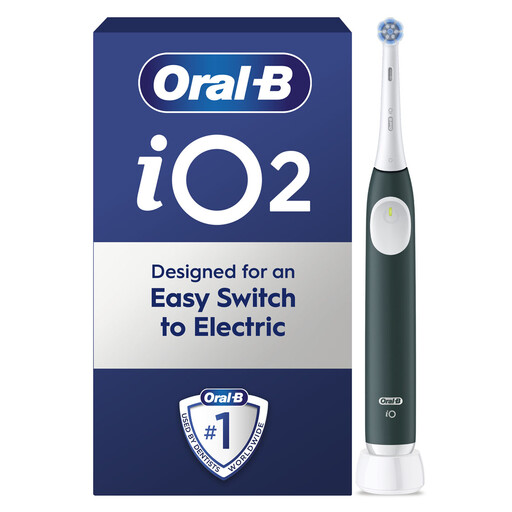
Oral-B iO2 Electric Toothbrush, Forest Green
Consider this iO model if you prefer round-head positioning and want a cue to ease your brushing pressure.
The product name specifies three modes and an automatic pressure sensor. Check which iO heads fit this handle and whether their size works for your front-tooth routine; the stated UK two-pin plug also needs to suit your setup.
View on Joybuy
 No image available
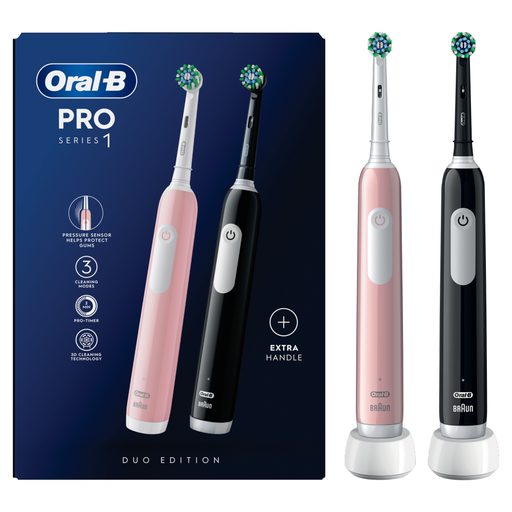
Oral-B Pro 1 Electric Toothbrushes Duo Pack, Black & Pink
Consider the duo pack if two people want separate handles for a timed brushing routine.
The product name specifies round heads, three modes, a brushing timer and a pressure sensor. Check the head dimensions if compact placement matters, along with the pack's charging arrangement before buying.
View on Joybuy
 No image available
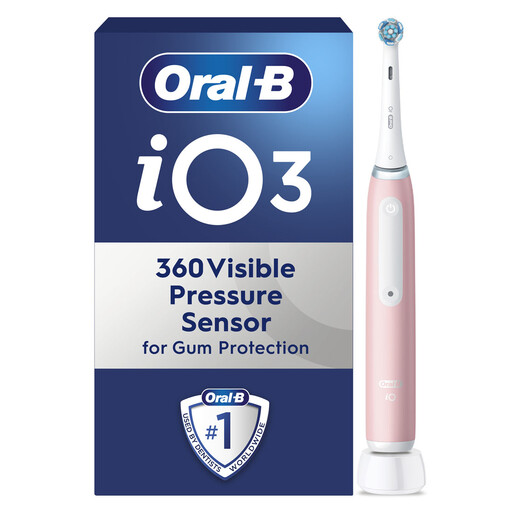
Oral-B iO3 Electric Toothbrush, Blush Pink
Consider this iO model if visible pressure feedback would help you avoid scrubbing while you work around your front teeth.
The product name specifies three modes, a visible pressure sensor and a brushing timer. Confirm compatible iO heads and their dimensions, and check that the stated UK two-pin plug suits your charging setup.
View on Joybuy
Common questions
Do I need an electric toothbrush specifically for my front teeth?
No: the NHS says manual and electric brushes can both work when you clean every surface of every tooth and use fluoride toothpaste. An electric brush may suit you if its timer or pressure feedback helps you follow that routine consistently.
Can a timer stop me missing the backs of my front teeth?
A timer can remind you to spend enough time brushing, but it cannot confirm where you placed the head. Use any pacing prompts to move around your mouth, deliberately including the inner surfaces and gumline.
How often should I replace an electric toothbrush head?
Follow the instructions for your exact head and handle. Oral-B advises replacement every three months; check sooner if the head is worn, and make sure any replacement fits your handle range.
Should I change brushes if a front tooth hurts or my gums are swollen?
Do not rely on a different brush or setting to address unexplained pain or swelling. The NHS advises seeing a dentist for toothache lasting more than two days, or toothache accompanied by fever, pain when biting, red gums, a bad taste or cheek or jaw swelling. Seek urgent help if swelling makes breathing, swallowing or speaking difficult.
What should I check about an electric toothbrush charger?
Check that the supplied charging equipment suits your setup and use it as instructed; stop using the handle, cord or charger if damaged. A UK Office for Product Safety and Standards report identified a fire risk with one specific charger because of plug and fuse defects, so a product-specific alert should not be taken as a finding about all chargers.


