
24/7 Customer Support

Free returns

Same-day & Next-day Delivery

Quality Guaranteed

Unlock Your Welcome Offers: FREE Delivery | Up to 80% OFF | Free 30-day JoyPlus trial
Download the APP
Buying electrical cables and extension leads can appear straightforward, but specifications are often easy to misread. A cable may advertise fast charging without including a suitable power adapter, while an extension lead may offer several sockets but still have a strict total load limit. The right choice depends on compatibility, electrical rating, cable length and how you intend to use it.
This guide highlights common buying traps and matches practical options to different UK household, vehicle and workshop needs.
A fast charging cable cannot create additional power on its own. Charging performance depends on the cable, the charger, the device and the charging protocol working together. For example, a 65W USB-C cable requires a compatible USB-C Power Delivery charger and a device capable of accepting that input.
Similarly, a cable advertised for data transfer may support only USB 2 speeds. Check whether you need a charging-only lead, a data sync cable or both.
USB-C is a connector shape, not a guarantee of identical charging or data performance. A USB-C to USB-C cable differs from a USB-C to Lightning cable, while a MagSafe cable is designed for compatible Mac laptops with a MagSafe 3 port.
For EV owners, a Type 2 EV cable is not compatible with every electric vehicle or charging point. Confirm the vehicle inlet, charger connector and phase requirements before ordering.
A cable reel can show a maximum rating of 13 amps or 3,120 watts, but that may apply only when the cable is fully unwound. Coiled cable can build up heat under load. A thermal cut-out cable reel adds protection, but it does not replace careful use.
Always check both the wound and unwound ratings, fully unwind the reel before powering equipment and never exceed its total capacity.
For phones, tablets and laptops, identify both ends of the cable:
A replacement Apple charging cable should match the port on the device, not just the brand of the charger. Also check whether the cable supports the required wattage and data speed.
For a USB-C cable, look for the maximum supported wattage. The REMAX cable listed below supports up to 65W, while the Apple woven USB-C cable supports up to 60W. These figures describe cable capability; actual charging depends on the connected equipment.
For EV charging, compare:
A 22kW EV cable will not make a vehicle charge at 22kW if its onboard charger accepts less. Check the vehicle handbook or manufacturer specification.
For a 13 amp extension lead, the usual maximum is 3,120W at 240V, but the rating can vary according to whether a reel is wound or unwound. Do not connect one extension lead or cable reel to another unless the manufacturer specifically permits it.
A one-metre charging cable is convenient at a desk or bedside table, while a two-metre lead can provide more flexibility beside a sofa or workstation. Long cables are useful, but excess length can create trip hazards and storage problems.
For extension leads and reels, look for:
The product instructions remain important. For instance, an IP54 socket may resist dust and water splashes but is not designed for immersion or severe wet weather.
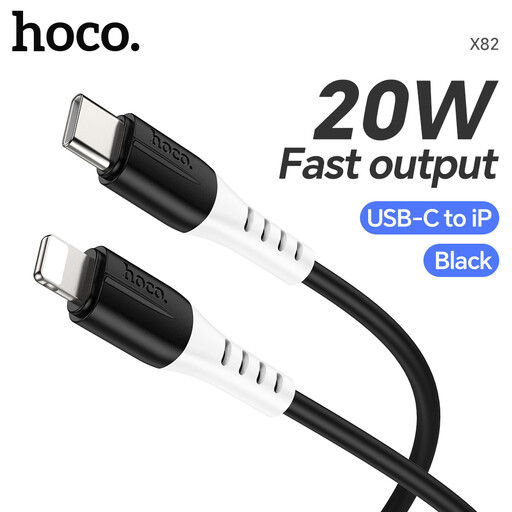
Why This Fits Their Persona: A practical one-metre option for users replacing a worn Lightning lead or adding a spare for home, work or travel.
The stated USB-C to Lightning connection, 20W maximum power and 1m length make the key specifications clear before purchase.
Supports up to 20W and is specified for iPhone, iPad and other Lightning devices when paired with a compatible charger.
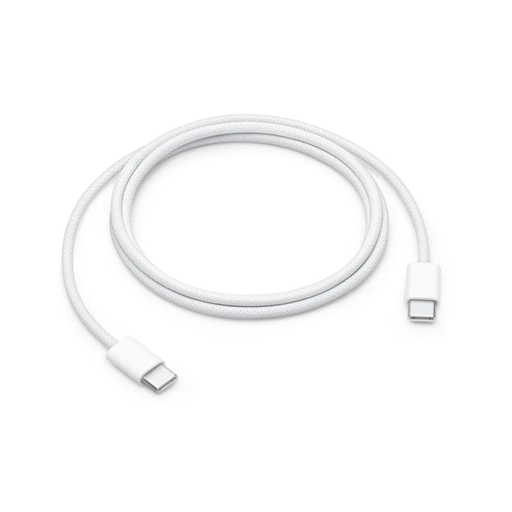
Why This Fits Their Persona: Suits Apple device owners wanting a woven USB-C cable for charging and everyday syncing at a desk, in a bag or while travelling.
The listing separates charging capacity from data performance: it supports up to 60W charging but uses USB 2 data speeds.
Woven construction, 1m length and USB-C connectors at both ends; a compatible power adapter is required and sold separately.
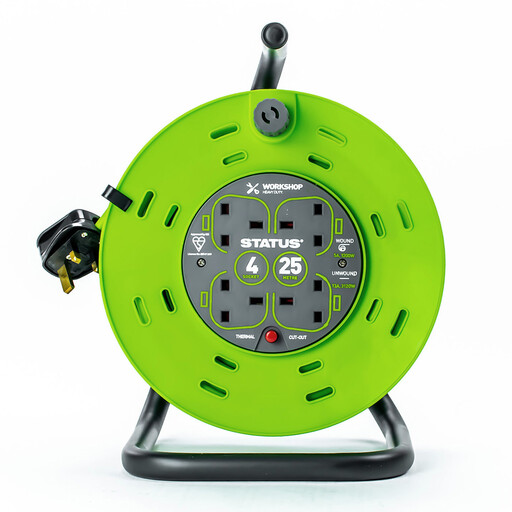
Why This Fits Their Persona: Designed for workshops, garages and larger indoor work areas where several appliances need reach from one wall socket.
It states separate ratings of 5A/1,200W wound and 13A/3,120W unwound, helping prevent misuse of the headline capacity.
Four sockets, 25m cable, thermal cut-out and IP54-rated sockets; intended for indoor use and splash protection only.
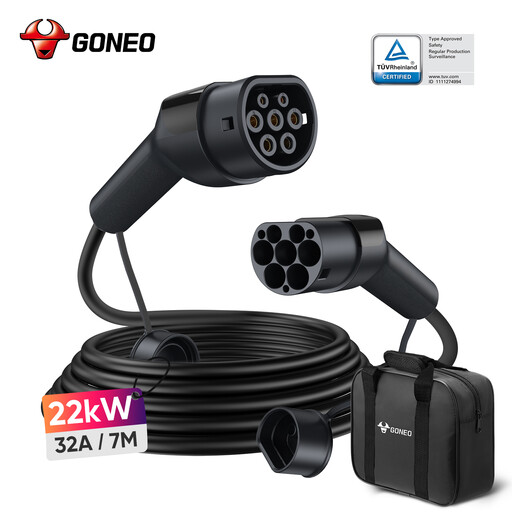
Why This Fits Their Persona: A 7m option for Type 2 and CCS2 electric cars or plug-in hybrids using compatible public or home charging equipment.
The 22kW, 32A and three-phase specifications are stated clearly, and the cable is not presented as compatible with J1772, CCS1 or CHAdeMO.
7m reach, carry bag, IP54 rating and Type 2-to-Type 2 connection; actual charging speed remains limited by the vehicle and charger.
We have compiled a complete, real-time list of products that fully satisfy these strict selection criteria and UK safety regulations.
Only if the product instructions and load rating allow it. Many reels have a lower wound rating, such as 5A/1,200W, compared with 13A/3,120W when fully unwound. For appliances and power tools, fully unwind the cable and keep it clear of heat, water and walkways.
Lifespan depends on bending, pulling, storage and connector cleanliness. Avoid wrapping tightly around the plug, pulling the cable from the device and using a visibly damaged lead. Braided or woven coverings can help with everyday handling, but they do not make a cable immune to wear.
Not necessarily. A longer cable reel or EV cable can solve reach problems, but it adds weight, storage requirements and potential trip hazards. Choose the shortest length that comfortably reaches the intended socket or vehicle inlet, allowing for parking position and safe routing.