Family multi-pan cooks
If the fricassee occupies a casserole or sauté pan while side dishes cook, look at usable pan spacing as well as the number of zones. A bridge zone may matter if your main pan is especially large or elongated.


Choose a four-zone induction hob if your pans have magnetic bases and you want responsive heat for browning chicken before lowering it for the sauce. A bridge or flexible zone is worth considering if your main pan needs more space; ceramic electric is an alternative when keeping non-magnetic cookware matters more than heat response. Whichever type you choose, check the pan layout, exact worktop cut-out and electrical requirements of the model before ordering.
If the fricassee occupies a casserole or sauté pan while side dishes cook, look at usable pan spacing as well as the number of zones. A bridge zone may matter if your main pan is especially large or elongated.
If you need to brown chicken and then reduce the heat for the sauce, induction is a route to consider when your pans have magnetic bases. Bosch UK describes induction as quicker to heat than radiant electric.
If your regularly used pans are non-magnetic, ceramic electric offers broader cookware compatibility than induction. Siemens Home UK advises that ceramic hobs heat and cool more slowly than induction; flat pan bases still matter for contact.
Choose it when: Your magnetic main pan and side-dish pans fit comfortably on separate zones.
Trade-off: A large or elongated pan may not suit the fixed-zone layout.
Choose it when: You regularly use a large or unusually shaped main pan alongside other pans.
Trade-off: The function and required worktop opening depend on the model; magnetic cookware is still necessary.
Choose it when: Keeping flat-bottomed, non-magnetic pans takes priority over induction's heat response.
Trade-off: Siemens Home UK describes ceramic hobs as slower to heat and cool than induction.
| Concern | What to check | Who this matters to |
|---|---|---|
| Pan space and layout | Check whether the main pan and side-dish pans fit on the usable zones without crowding. Compare bridge or flexible-zone layouts if the main pan is large or elongated. | I want the fricassee and its side dishes cooking at the same time without struggling to place the pans; around 44% of consumers put pan space first. |
| Heat response | Compare induction and ceramic heat response, then check that the pans needed for induction have magnetic bases. | Browning the chicken before easing the sauce to a gentle simmer matters most to me; roughly 33% of consumers prioritise heat response. |
| Cookware and installation fit | Test existing pans with a magnet and check their bases are flat. Match the exact cut-out and electrical connection requirements to the chosen model. | I need the hob to work with my pans and fit the kitchen before heat speed becomes the deciding factor; about 23% of consumers put compatibility and installation fit first. |
Induction needs a magnetic pan base, while ceramic electric accepts a broader range of pan materials but still benefits from a flat base.
Test the casserole, sauté pan and side-dish pans you use most with a magnet before choosing induction.
Switching to induction may mean replacing regularly used non-magnetic pans.
A width such as 60 cm does not establish the required worktop opening or electrical connection. Electrolux specifies a 560 × 490 mm built-in opening for its KIV644, while AEG specifies 750 × 490 mm for its wider TO84IB00FB.
Compare the chosen model's cut-out, clearance and connection instructions with the kitchen and have the electrical requirements assessed before ordering.
A mismatched opening may require worktop alteration.
Four cooking positions do not establish whether a large casserole or elongated pan sits well on the available zone layout. Bridge and flexible-zone functions vary by model.
Measure the base of your largest pan and compare it with the zones you would use while cooking the side dishes.
A boost function is a model feature, not a promise about how every pan or recipe will cook. Pan compatibility and zone layout still affect the choice.
Check the exact model's controls and cookware requirements rather than applying one product's feature list to a whole brand range.
Bosch offers induction and radiant electric routes. Its PIE631BB5E is a 60 cm, four-zone induction example for a built-in layout.
NEFF is relevant if a flexible induction area would help accommodate differently sized pans during a multi-pan meal.
AEG's TO84IB00FB is an 80 cm, four-zone induction example with bridge zones for a larger pan layout.
Electrolux's KIV644 is a 590 mm-wide, four-zone induction example with bridge capability.
These induction hobs offer choices for cooking a main pan of chicken fricassee alongside side dishes. If keeping non-magnetic pans is your priority, compare the ceramic electric route discussed above instead.
 No image available
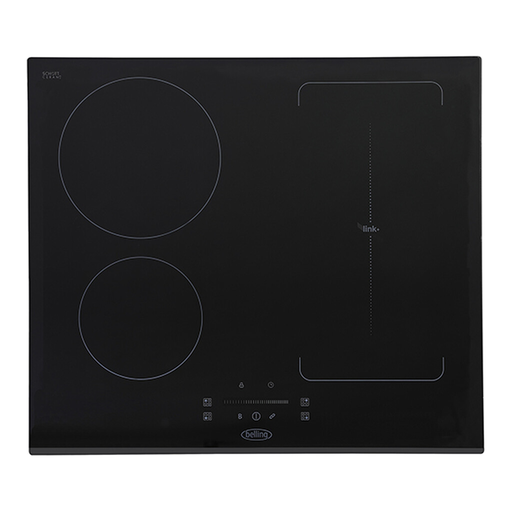
Consider this model if a larger main pan needs space alongside pans for the rest of the meal. Its title specifies four zones, a flexible bridge area, touch controls and boost mode.
Check that your pans have magnetic bases and that the exact cut-out and electrical requirements suit your kitchen.
 No image available
A 60 cm induction option to assess if you want to cook the fricassee and sides on a built-in hob. Compare its zone arrangement with the bases of your actual pans rather than relying on nominal width.
Use magnetic pans and confirm the model's cut-out, clearances and electrical connection before ordering.
 No image available
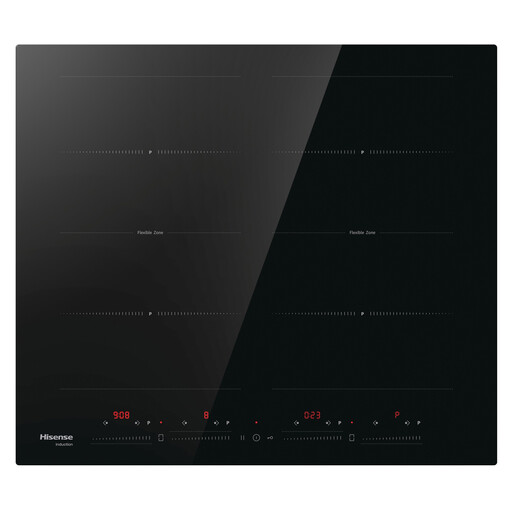
Consider its Area Flex layout if your main fricassee pan calls for a different zone arrangement while other dishes cook. Check how the zones accommodate the pans you own.
Induction requires magnetic cookware. Confirm the appliance dimensions, cut-out and electrical requirements for your installation.
 No image available
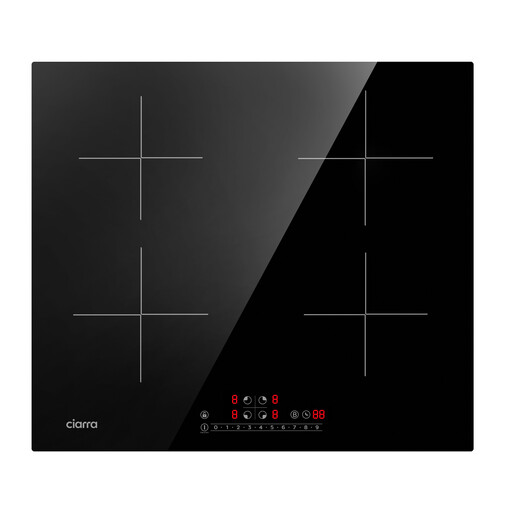
Consider the four-zone layout if your main pan and side-dish pans each fit a separate cooking position. The product title specifies touch controls, nine power levels and a booster function.
Check your pans for magnetic bases and compare the model's cut-out and electrical instructions with the planned installation.
 No image available
This four-zone model is worth considering when the fricassee pan and accompanying pans fit separate zones. Bosch UK lists PowerBoost for the PIE631BB5E; judge the layout against your own cookware rather than assuming a larger pan will fit.
The product title identifies a hardwired connection. Use magnetic pans and confirm the cut-out and electrical suitability with a qualified installer.
Induction suits cooks who value a quicker heat response when browning chicken and then lowering the heat for sauce, provided their pans have magnetic bases. Ceramic electric is a route for keeping non-magnetic pans, though Siemens Home UK describes it as slower to heat and cool than induction.
Pans need a magnetic base to work on induction. Test the base of each regularly used pan with a magnet; if key pans are non-magnetic, consider whether replacing them or choosing ceramic electric better suits your plans.
Not if your main pan and side-dish pans fit comfortably on separate zones. A bridge or flexible zone is worth considering when you regularly use a large or elongated pan; compare its base with the exact model's zone layout.
No: nominal width alone does not establish cut-out compatibility. Compare the selected hob's installation dimensions, clearances and electrical connection with the existing kitchen before ordering.
Ask a qualified local installer to assess the chosen hob's connection requirements and the work involved. Electrical Safety First strongly recommends using a registered electrician. In England, GOV.UK's Approved Document P addresses electrical safety in dwellings; confirm which requirements apply to the installation and UK nation concerned rather than assuming the same process applies everywhere.