
24/7 Customer Support

Free returns

Same-day & Next-day Delivery

Quality Guaranteed

Unlock Your Welcome Offers: FREE Delivery | Up to 80% OFF | Free 30-day JoyPlus trial
Download the APP
Choosing between electric hobs and cookers is not simply a matter of comparing prices. The right option depends on your available space, electrical connection, cookware, cooking habits and household size. A portable induction hob may suit a tenant or student, while a built-in induction hob or freestanding electric cooker may be more appropriate for a permanent family kitchen.
As the Joybuy Product Recommendation Officer, my role is to filter out confusing specifications and marketing language so you can compare practical features before buying.
Induction appliances heat the pan through a magnetic field, so they require ferromagnetic cookware. Cast iron and magnetic stainless steel usually work, but aluminium, copper and non-magnetic ceramic pans may not. Check for an induction-compatible symbol or test the base with a magnet before replacing your cookware.
A 60cm electric hob or freestanding cooker may fit a standard kitchen layout, but built-in models still require accurate worktop cut-out dimensions, ventilation and an appropriate electrical connection. Some appliances are designed for hard-wiring rather than a standard plug.
For example, the Simfer SP60W requires a hard-wired connection, while the Ciarra built-in induction hob lists a 32A rated fuse and a 560 × 490mm cut-out. Installation should be completed by a suitably qualified electrician in line with applicable UK electrical requirements.
A 2000W induction cooker can provide rapid heating in a compact format, but the wattage alone does not explain how precisely it cooks. Look for useful controls such as multiple power levels, temperature adjustment, a timer, pan detection and overheat protection.
For larger appliances, total power may be much higher because several zones or oven cavities can operate together. Confirm that your home’s electrical supply can support the appliance before ordering.
A portable induction hob is suitable for rented accommodation, student rooms, temporary kitchens or occasional extra cooking capacity. Its slim shape makes it easier to store, but it normally provides one cooking zone and requires suitable clearance around ventilation openings.
A built-in induction hob creates a more permanent, streamlined cooking area. Measure the worktop carefully and check whether the model uses touch controls, individual timers and automatic safety functions. Built-in hobs should not be installed directly over unsuitable appliances without confirming the manufacturer’s clearance instructions.
If cleaning is a priority, a smooth ceramic or induction surface may be more convenient than solid plates. If you already own non-magnetic cookware, a solid plate hob may avoid the cost of replacing pans.
A four-zone hob is practical for everyday family cooking, but the usable space depends on the diameter and layout of each zone. A freestanding electric cooker adds oven capacity, which is useful for batch cooking, roasting and preparing several dishes at once.
A double oven cooker can offer a larger fan-assisted main oven alongside a smaller conventional oven and grill. This is useful when cooking dishes at different temperatures, but it needs more floor space and a suitable hard-wired connection.

Why This Fits Their Persona: A compact single-zone appliance can add cooking capacity without committing to a built-in installation, making it practical for tenants, students and smaller kitchens.
The listed specifications clearly state the 2000W output, cookware limitation, touch controls and ventilation requirements, helping buyers check compatibility before purchase.
10 power settings, six preset functions, a durable glass panel, boil-dry protection and a child safety lock.
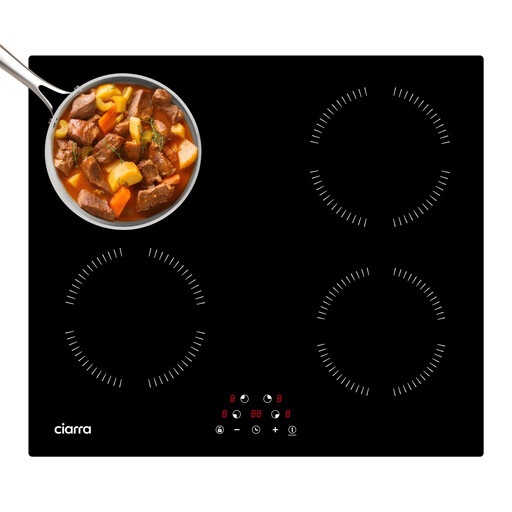
Why This Fits Their Persona: Homeowners planning a fitted kitchen may value four independent zones, digital touch controls and separate timers within a standard 60cm format.
The stated 590 × 520 × 62mm dimensions and 560 × 490mm cut-out make worktop planning clearer. Professional installation is still required.
Four zones, nine power levels, individual 99-minute timers, pan detection, residual-heat indication and automatic switch-off.
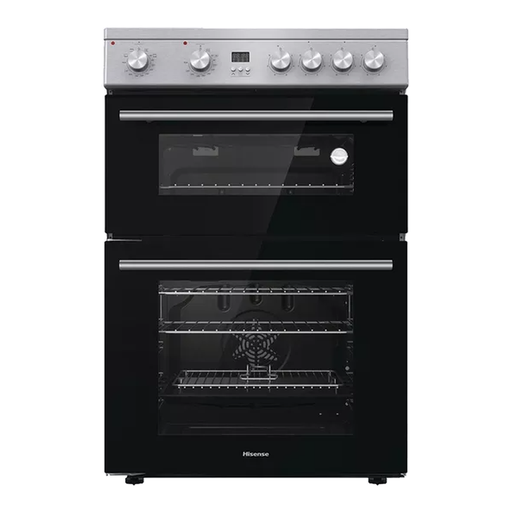
Why This Fits Their Persona: Families cooking several dishes may benefit from a freestanding electric cooker with two ovens, four hob zones and an integrated grill.
It is listed as 900 × 600 × 600mm, so buyers can compare the full appliance footprint rather than relying only on the nominal 60cm width.
68-litre fan-assisted main oven, 31-litre top oven with grill, catalytic liners, programmable timer and double-glazed doors.
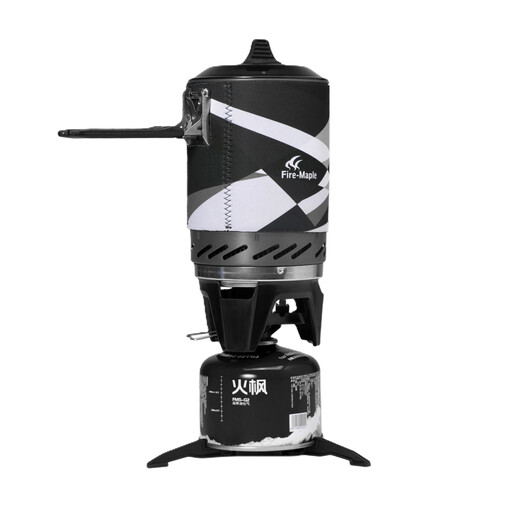
Why This Fits Their Persona: Hikers, campers and anglers needing compact hot-water or meal preparation can use a nestable camping stove cooking system rather than a domestic hob.
The product information states that the gas canister is excluded, so users can budget for compatible fuel rather than discovering an essential missing component later.
A 1-litre nestable pot, hard-anodised aluminium construction, heat-resistant sleeve and compatibility with standard threaded isobutane canisters.
We have compiled a complete, real-time list of products that fully satisfy these strict selection criteria and UK safety regulations.
Running cost depends on the appliance’s power, cooking duration, electricity tariff and how efficiently heat reaches the pan. Induction can transfer heat directly to compatible cookware, while ceramic and solid plate hobs use heating elements beneath or within the cooking surface. Compare the wattage and your typical cooking time rather than relying on a general cost claim.
Many built-in hobs require hard-wiring and a dedicated electrical connection. Check the installation instructions, fuse rating and worktop dimensions, then use a suitably qualified electrician. Do not use an extension lead or unsuitable plug where the product requires permanent connection.
Lifespan varies with construction, frequency of use, cleaning and maintenance. Avoid abrasive products on glass surfaces, keep ventilation openings clear, do not use cracked panels and follow the manufacturer’s operating guidance. Check the warranty period and availability of support before purchasing, particularly for a landlord-managed property or a frequently used family kitchen.