Multi-pan dinner-party cooks
If curry, rice and a side dish need heat at the same time, look for cooking zones your actual pans can occupy together. A bridge or flexible area is worth considering when one pan is unusually large or long.


A four-zone induction hob is a starting point for cooking potato curry alongside rice and side dishes: it heats the pan directly and gives several pans separate cooking spaces. Consider a bridge or flexible zone if you regularly use an oversized pan; consider ceramic if keeping non-induction cookware matters more. Before choosing a built-in model, check the worktop cut-out, electrical connection and installation instructions.
If curry, rice and a side dish need heat at the same time, look for cooking zones your actual pans can occupy together. A bridge or flexible area is worth considering when one pan is unusually large or long.
Frying spices and then simmering potatoes call for different heat settings. Induction heats the pan directly, according to Which?; check independent simmering results as well as any boost feature when comparing models.
A nominal 60 cm width does not tell you whether a hob fits the worktop or electrical arrangement. Compare the exact cut-out, connected load and connection instructions before ordering.
Choose the heating type and pan layout for the dishes you cook, then confirm that the particular model can be fitted and connected in your kitchen.
Choose it when: You want separate places for curry, rice and sides, and your pans are induction-compatible.
Bear in mind: Connection requirements differ between models; a four-zone layout alone does not establish how well a hob simmers.
Choose it when: A large or long pan regularly needs more cooking space than one ordinary zone provides.
Bear in mind: The layout is model-specific, and the pan still needs to fit the active area and work with induction.
Choose it when: Keeping cookware that is unsuitable for induction is a deciding condition.
Bear in mind: Ceramic elements heat beneath the glass; compare individual models for heating and gentle simmering rather than assuming they perform alike.
| Concern | What to check | Who this matters to |
|---|---|---|
| Space for several pans | Check the number and usable arrangement of zones. Compare bridge or flexible areas with the bases of any large pans you use. | If I cook curry while rice and sides are on the hob, I need the pans to fit at once. Around 29% of consumers put simultaneous pan space first. |
| Frying and simmering control | Check the exact controls and look for independent results on both rapid heating and gentle simmering; a boost setting alone covers neither task fully. | When spices have finished frying, I want to turn the heat down for the potatoes without relying on a boost label as a guide. Roughly 29% of consumers prioritise this change in heat first. |
| Fit and installation | Match the specified cut-out, connection type and connected load to your kitchen and the model’s installation instructions. | If I am replacing a built-in hob, it has to suit the existing worktop and electrical arrangement before its cooking features matter. About 24% of consumers make fit and installation their primary concern. |
| Keeping existing cookware | Check whether current pan bases are suitable for induction; compare a ceramic hob if retaining non-induction pans is essential. | I would rather keep using my current pans than change them to suit a new heating type. For approximately 18% of consumers, cookware continuity comes first. |
AEG specifies a hardwired connection for the TO64IA00FB, while Bosch describes the PUG61RAA5B as Plug & Play. Similar nominal widths do not establish the same electrical requirements.
Compare the exact cut-out, connected load and installation instructions with your kitchen before ordering. Arrange an appropriately qualified installer where the work requires one.
Induction heats compatible cookware directly, so existing pans need checking before they become part of your dinner-party plan.
Check the bases of the pans you intend to use. If keeping unsuitable pans is essential, compare ceramic models as well.
Changing to induction may also mean replacing cookware you intended to keep.
Bringing water to the boil and holding a potato curry at gentle heat are different tasks. Which? assesses quick heating and low-temperature simmering separately in its hob testing.
Compare the model’s controls and any available independent simmering results, not just its boost feature.
A bridge area can accommodate a large or long pan, but ordinary separate zones may suit your usual curry, rice and side-dish pans.
Measure the bases you use together and compare their placement with the cooking-zone diagram for the exact model.
A reference point for buyers considering a four-zone induction hob with a specified Plug & Play connection.
A reference point for comparing separate induction zones with a model-specific bridge layout.
A reference point for cooks considering flexible pan placement within an induction range.
These built-in induction models offer either a bridge or flexible-area option, or a more conventional layout to consider for cooking curry alongside other dishes. Check the pan arrangement and installation requirements of the particular hob before choosing; ceramic hobs are a separate route if you need to keep non-induction cookware.
 No image available
Consider this model when curry, rice and sides need separate pans and you also use a large pan. Its title specifies four cooking zones, a flexible bridge, touch controls and boost mode.
Check that the 77 cm hob suits your available worktop space and confirm its cut-out and electrical connection requirements before ordering.
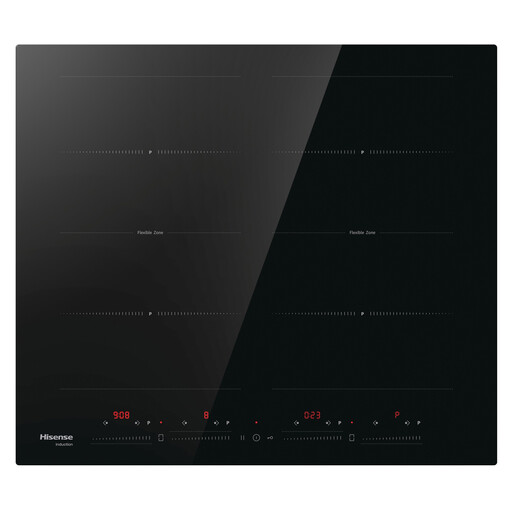 No image available
Consider the Area Flex layout if a larger pan is part of your curry-dinner setup. Check the cooking-zone diagram against all the pans you plan to use at once.
Confirm the precise dimensions, worktop cut-out, connected load and connection type for your kitchen before choosing this 60 cm model.
 No image available
Consider this induction model if a hardwired hob suits your kitchen and your curry, rice and side-dish pans fit its cooking areas.
The product title specifies hardwired installation. Check the required cut-out and electrical supply, and use induction-compatible pans.
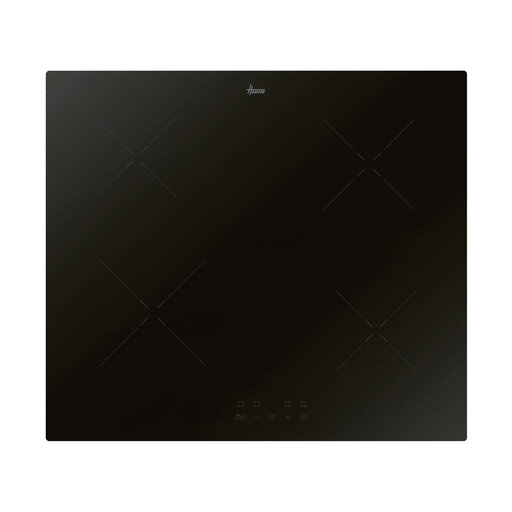 No image available
Four zones make this a model to compare when you need places for curry and other dinner-party pans at the same time. Check that your pan bases fit the individual cooking areas.
Confirm the worktop cut-out and electrical supply requirements with an appropriately qualified installer before ordering.
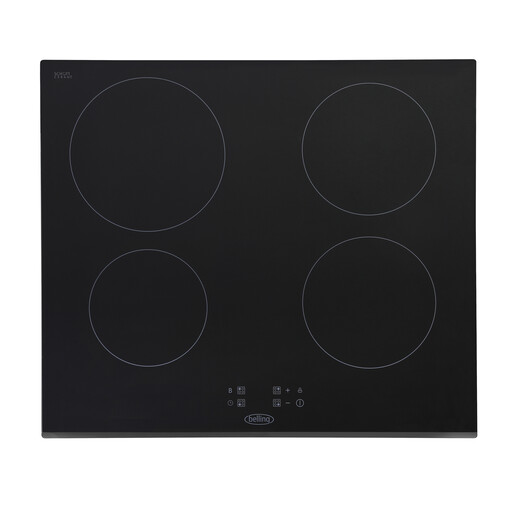 No image available
Consider this model if its cooking-zone arrangement accommodates the pans you use for curry, rice and sides. Check the zone diagram rather than relying on the nominal width.
Before choosing it, match the specified cut-out and electrical supply requirements to your kitchen, and check your pans for induction compatibility.
Choose induction if direct pan heating and changes between frying and simmering matter to you and your cookware is compatible. Ceramic remains an option if keeping non-induction pans is essential; compare individual hobs for gentle simmering rather than assuming either heating type settles that question.
Start by looking at four usable zones if curry, rice and a side dish may cook together. A bridge or flexible zone becomes more relevant when a large or long pan cannot sit effectively on an ordinary zone; check your pans against the model’s zone diagram.
You will need cookware suitable for induction, but you need not replace pans that already meet the hob’s requirements. Check each pan base before buying; the Joybuy guidance for a portable induction hob describes suitable cookware as having a flat, magnetic base.
The installation route depends on the model and your existing electrical arrangement. A hardwired hob calls for checking the supply and fitting instructions with an appropriately qualified installer; even for a Plug & Play model, confirm that the intended socket arrangement meets its instructions. Check the requirements applicable where you live before any electrical work begins.