Fast, controlled stew cooks
You want to heat stock or sauce promptly, then adjust the heat as the stew finishes. Your intended pot must also suit the hob you choose.


For a round stew pot with a magnetic base, a standard induction hob is a sensible choice when quick initial heating and heat adjustment matter most. Consider a bridge or flexible-zone induction hob for a wide or oval pot; a ceramic hob is another route if its zones suit your cookware and you account for residual surface heat. Whichever you choose, check the exact pan fit, worktop opening and electrical requirements before ordering.
You want to heat stock or sauce promptly, then adjust the heat as the stew finishes. Your intended pot must also suit the hob you choose.
You use a broad casserole or cook another dish beside the stew, making the shape and usable space of the cooking zones important.
You want to keep using suitable pots where possible and need the new hob to fit the worktop and electrical installation.
Consider it when: Your usual stew pot has a magnetic base and fits a conventional cooking zone.
Trade-off: NEFF says induction needs magnetic-base cookware; connection requirements also vary by model.
Consider it when: You regularly use a wide or oval casserole, or need room for another pan.
Trade-off: The cited AEG Bridge hob needs a wider worktop opening than AEG's cited 60 cm induction model.
Consider it when: Its cooking-zone layout suits the pots you intend to keep using.
Trade-off: The surface can remain hot after cooking; check the model's residual-heat indication.
| Concern | What to check | Who this matters to |
|---|---|---|
| Heating and control | Check the exact model for a boost setting and suitable heat controls; for induction, test the stew pot's base with a magnet. | If I heat stock quickly but need to turn the heat down as the stew finishes, controllable heating is my priority. Around 36% of consumers put that need first. |
| Pot and pan space | Compare your largest pot's footprint with the usable zones, including which zones can bridge. | A broad casserole, or a second pan beside the stew, makes usable cooking space my main concern; around 29% of consumers prioritise it. |
| Existing cookware | Check magnetic-base compatibility before choosing induction; for ceramic, compare the pot base with the zone sizes. | I would rather keep using my stew pot if it suits the new hob. Keeping existing cookware usable comes first for around 21% of consumers. |
| Kitchen fit | Compare the model's cut-out and connected load with your kitchen, then confirm its connection method. | Replacing a built-in hob means I need to know it can be installed in my kitchen; around 14% of consumers put fit and connection first. |
NEFF's induction guidance specifies a magnetic cookware base, so an existing pot may not suit an induction hob.
Test the base of every pot you regularly use before choosing a model.
Keeping a non-magnetic stew pot for induction cooking would mean changing cookware.
AEG specifies a 560 × 490 mm built-in opening for its cited 60 cm induction model and a 750 × 490 mm opening for its cited Bridge model. The existing worktop opening may not suit both.
Measure the opening and check the shortlisted model's installation diagram before ordering.
Changing the worktop opening can add installation work.
Connection is model-specific: the cited AEG induction models are hardwired, while Bosch describes the PUG61RAA5B as Plug & Play.
Check the exact model's connection type and connected load against your kitchen installation before arranging any fixed electrical work.
The cited Beko ceramic hob has a residual-heat indicator because its surface can remain hot after the pan is removed.
Keep hands away from the heated area and wait for the residual-heat indication to clear before cleaning it.
The cited AEG models illustrate a choice between a 60 cm four-zone induction layout and a wider Bridge layout.
The cited PUG61RAA5B is a 60 cm, four-zone induction example for a conventional stew-pot setup.
The cited NZ64B6056GK is relevant when the size or shape of a stew pot makes a flexible area worth considering.
The cited HIC164402T offers a ceramic electric route with an extendable cooking zone.
These options cover bridge or flexible-zone induction, standard induction and a compact ceramic hob. Choose between them by checking your stew pot, available cooking space and installation requirements.
 No image available
Consider this bridge-zone model if your magnetic-base stew pot needs a larger cooking area. Its name specifies four zones and Boost mode; compare the pot footprint and installation requirements with your kitchen before ordering.
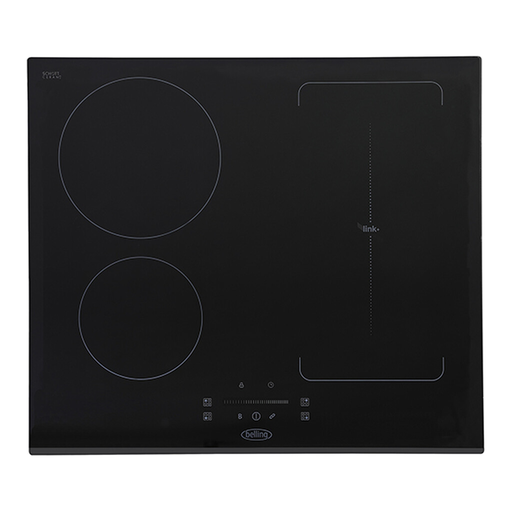 No image available
Consider it when comparing induction layouts for a stew pot and another pan. Check the usable zones against your cookware, confirm that the pot has a magnetic base and use this model's installation dimensions rather than relying on its nominal 60 cm description.
 No image available
A conventional induction layout to consider for a round, magnetic-base stew pot. This variant is identified as hardwired, so check the required worktop opening and electrical installation before choosing it.
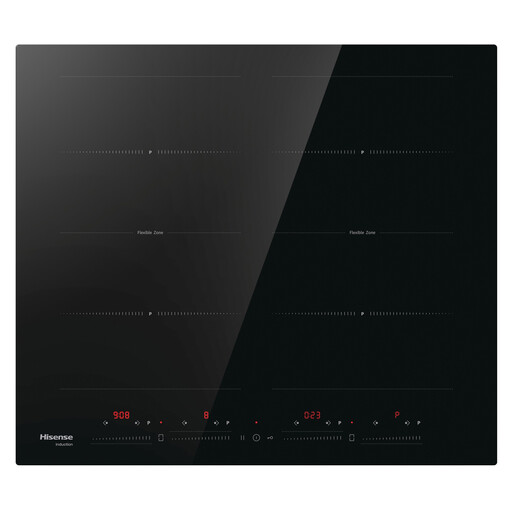 No image available
Consider its Area Flex layout when a wider stew pot makes fixed cooking zones awkward. Check that the intended pot has a magnetic base and compare its footprint, the worktop opening and electrical requirements with the model instructions.
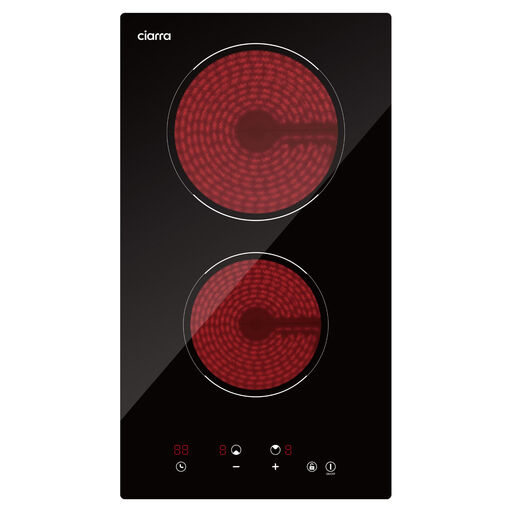 No image available
A compact ceramic option to consider if its two zones fit your stew pot and the other cookware you use. The title specifies 2900 W and nine power levels; check pan-to-zone fit and installation requirements, and allow for residual surface heat after cooking.
Only if the pots you intend to use are unsuitable: induction requires a magnetic base, according to NEFF's cookware guidance. Test the base of your main stew pot before ordering.
It is worth considering when your usual casserole is wide or oval, or when you need another pan beside it. AEG's cited Bridge model combines two zones, while Samsung describes a broad Flex Zone Plus on its cited model; compare the actual usable area with your pot.
No; the connection depends on the model. The cited AEG induction models are hardwired, whereas Bosch specifies Plug & Play for the PUG61RAA5B. Check the installation sheet and your kitchen's electrical setup for the exact hob you choose.
Check the new hob's worktop opening, connected load and connection method before work begins. Electrical Safety First notes that domestic electrical installation work must meet the applicable Building Regulations; establish the requirements for your location and planned work with an appropriately qualified installer.
Not necessarily: a ceramic cooking area can remain hot after the pot is removed. The cited Beko hob has a residual-heat indicator; wait for the heated area to cool before touching or cleaning it.