Choose an electric pressure cooker by the space needed for vegetables and water within its pressure-cooking fill limit, not by the amount of strained broth you hope to store. A 5.7L model can suit regular household batches; the Ninja OP500UK has a larger 7.5L pot but takes more space than the Instant Pot Duo 5.7L. If handling steam is the deciding concern, the Sage Fast Slow Pro offers automatic release, although its instructions on filling, seals and opening the lid still matter.
Who this suits
Freezer-focused broth batch cooks
If you make enough broth for several meals, consider the space taken up by vegetables and water before straining, as well as the containers needed afterwards. A larger pot offers more nominal capacity, but check its footprint and weight against your kitchen space.
Weekly household meal preppers
If broth is part of a routine of soups, grains and sauces, a 5.7L multi-cooker may provide the functions you use regularly without choosing a larger appliance solely for occasional big batches. Check the model’s fill limit before deciding how much broth to make at once.
Cooks who prefer a guided steam-release routine
If releasing pressure is your main concern, compare each model’s release controls and lid instructions. Sage describes automatic release options for the Fast Slow Pro, but correct filling, seal checks and waiting for pressure to release remain part of using it.
What to check before buying
Start with the batch you want to cook and store, then decide how much pressure-release guidance and everyday multi-cooker use you want. Treat pot capacity as a starting point: the exact model’s fill markings determine how much can go in for pressure cooking.
| Concern |
What to check |
Who this matters to |
| Batch volume and storage |
Check the pot size and pressure-cooking maximum-fill mark. Plan how you will portion and chill or freeze the strained broth. |
If I cook for several freezer meals, I need space for vegetables and water before straining, plus containers for the finished broth; roughly 40% of consumers put batch volume and storage first. |
| Pressure-release confidence |
Compare manual, guided and automatic release instructions, and check the model’s minimum-liquid, seal and lid guidance. |
When hot steam is my chief concern, I want a release routine I can follow confidently without treating automation as a substitute for the instructions. Around 30% of consumers make pressure handling their primary concern. |
| Everyday use and cleaning |
Look for the cooking functions you will use beyond broth, and check the instructions for cleaning the pot, lid and seal. |
If broth is one part of weekly cooking, I want the appliance to earn its worktop space and be manageable to clean afterwards; about 30% of consumers prioritise everyday use and cleaning. |
Buying pitfalls
-
Treating pot capacity as usable broth volume
Vegetables and water take up room before straining, and pressure-cooking contents must stay below the model’s fill mark. Instant Pot specifies a PC Max – 2/3 line for the Plus 5.7L, so its nominal capacity is not a broth-yield figure.
Check the exact model manual for its maximum-fill mark and minimum liquid requirement before planning a batch.
-
Choosing a larger pot without measuring the space
SharkNinja lists the Ninja OP500UK at 13.4kg and 53.29 × 38.81 × 43.51cm. The Instant Pot Duo 5.7L is listed at 5.4kg and 33.5 × 31 × 31.7cm; the larger pot also brings a greater carrying and storage burden.
Measure the intended worktop and storage shelf, including room to use the lid, before choosing the OP500UK for its 7.5L pot.
-
Leaving the whole batch to cool in the pot
A large volume takes longer to cool. GOV.UK guidance advises dividing cooked food into smaller portions to cool it more quickly and putting it in the fridge within one to two hours.
Have suitable containers or freezer bags ready, then portion the strained broth promptly for chilling or freezing.
-
Confusing the Instant Pot Plus with the Duo
The Instant Pot Plus 5.7L and Instant Pot Duo 5.7L are different named models. A specification or instruction for one should not automatically be applied to the other.
Match the complete model name on the product page and use that model’s manual for fill limits, included parts and operating instructions.
Brands to consider for batch broth
Instant Pot
Its 5.7L multi-cookers suit consumers who want pressure cooking alongside functions used for other meals, including sautéing and slow cooking.
- Instant Pot describes the Duo 5.7L as a six-portion model with a stainless-steel pot and seven cooking roles.
- Working volume depends on the exact model’s pressure-cooking limits. Instant Pot specifies at least 375ml of liquid and contents below the PC Max – 2/3 line for the Plus 5.7L.
Ninja
The OP500UK is a larger-pot route for consumers who also want functions beyond pressure cooking.
- SharkNinja specifies a 7.5L removable pot and nine functions for the OP500UK, including pressure cooking and sear/sauté.
- SharkNinja lists the OP500UK at 13.4kg and 53.29 × 38.81 × 43.51cm, making space and handling important checks.
Sage
The Fast Slow Pro BPR700BSSUK is a feature-led option for consumers interested in pressure feedback and automatic release.
- Sage specifies a 6L bowl, dual sensors and automatic quick, pulse or natural steam-release options.
- Those controls do not replace the model’s instructions on liquid levels, the seal, the valve and opening the lid after pressure has released.
Joybuy products for household batches
These 5.7L multi-cookers are options for regular household vegetable-broth batches and cooking routines that also use functions such as sautéing. Compare their model-specific fill instructions before deciding how much broth to prepare at once.
 No image available
COSORI 5.7L 9-in-1 Electric Pressure Multi-Cooker
Consider this model if you want to sauté vegetables before making a household-sized batch of broth. Its named features include a ceramic non-stick coating and slow-cooking function. Check the model manual’s pressure-cooking fill and liquid requirements, and measure your available space before buying.
View on Joybuy
 No image available
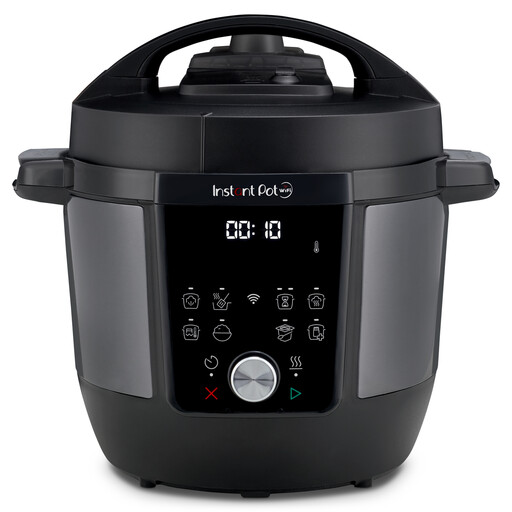
Instant Pot Plus 5.7L 9-in-1 Multicooker, Black
This model suits regular broth batches if its marked working volume accommodates your vegetables and water. Instant Pot’s Plus 5.7L guidance calls for at least 375ml of liquid when pressure cooking and contents below the PC Max – 2/3 line. Check its dimensions and cleaning instructions if space or upkeep will affect your choice.
View on Joybuy
 No image available
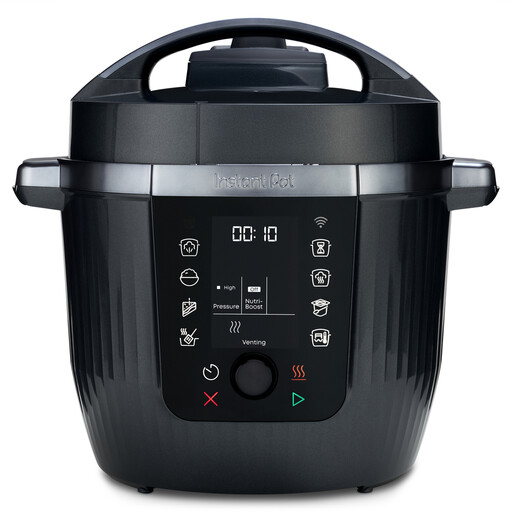
Instant Pot Pro 5.7L 10-in-1 Multicooker, Black
Consider this 5.7L model if you want to sauté vegetables and pressure-cook broth in the same appliance. Use the Pro model’s own manual to check its maximum-fill mark, minimum liquid requirement and cleaning instructions; do not apply the Plus model’s figures to it.
View on Joybuy
Frequently asked questions
What capacity should I choose for batch vegetable broth?
Choose capacity for the vegetables and water before straining, while allowing for the cooker’s pressure-cooking fill limit. A 7.5L pot has more nominal capacity than a 5.7L pot, but neither figure tells you the finished broth yield; check the exact model’s markings and the space it will occupy.
Do I need a sauté function to make vegetable broth?
No; a sauté function is useful if you want to cook aromatics in the same pot before adding water. Instant Pot lists sautéing for the Duo 5.7L, while SharkNinja lists sear/sauté for the OP500UK, so consider whether that step is part of your usual routine.
How should I cool a large batch of broth?
Divide the cooked broth into smaller portions rather than leaving the full batch in the pot to cool. GOV.UK guidance advises using smaller containers or freezer bags to help food cool quickly and putting it in the fridge within one to two hours.
What should I check if a cooker is slow to reach pressure?
Follow the troubleshooting instructions for your exact model before using it again. Sage’s guidance for the BPR700 identifies the lid assembly, silicone seal, locking pin, release valve and minimum food and liquid level as checks when pressurisation takes longer than expected.


