
24/7 Customer Support

Free returns

Same-day & Next-day Delivery

Quality Guaranteed

Unlock Your Welcome Offers: FREE Delivery | Up to 80% OFF | Free 30-day JoyPlus trial
Download the APP
For runners, gym-goers, outdoor workers and busy students, electrolyte drinks can be a convenient addition to a hydration routine. However, not every brightly coloured bottle is designed for the same purpose. Some sports drinks provide carbohydrates as well as electrolytes, while others focus on low-calorie mineral content.
The practical choice depends on how much you sweat, whether you need energy during exercise, your sugar preferences and how often you plan to use the product.
Many traditional isotonic drinks contain glucose syrup or sugar. This can be useful during prolonged endurance activity, but it may be unnecessary for a short gym session or everyday drinking. For example, Lucozade Sport Lemon & Lime provides 32g of carbohydrate and 17.5g of sugars per 500ml bottle, while Lucozade Sport Orange lists 3.5g of sugars per 100ml.
If you are looking for low-sugar electrolyte drinks, compare the nutrition panel per bottle rather than relying on terms such as “hydration” or “isotonic”.
Energy drinks may contain caffeine and carbohydrates but are not automatically suitable sports hydration drinks. Lucozade Energy Orange, for example, contains caffeine and 17g of sugars per 380ml bottle according to its listed nutrition information. That makes it a different purchase from a caffeine-free electrolyte hydration drink.
Always check for caffeine, carbohydrate, sugar and salt before choosing a drink for exercise, study or work.
A 12-pack or 15-pack can be convenient, but only if you enjoy the flavour and will use the drinks before their best-before date. Ready-to-drink bottles take up more cupboard space than hydration sachets and can be less practical for commuting, running or travel.
For occasional use, a four-bottle pack or sachet box may be more manageable. For households, teams or frequent training, electrolyte drink multipacks can offer easier stock planning.
Choose the formula according to the activity rather than treating sugar as automatically good or bad.
Cadence Core Hydration Drink Citrus, Cola and Melonberry flavours are listed at 5 kcal and 0g sugar per 330ml can, making them options for shoppers seeking a low-sugar format.
Look for named minerals and quantities where available. Sodium is commonly included in sports hydration drinks, while some products also list potassium and magnesium.
Cadence Core Citrus provides 1.25g salt, 190mg potassium and 30mg magnesium per 330ml serving, according to the supplied product information. HUNTER & GATHER Restore sachets list 750mg sodium, 150mg potassium and 80mg magnesium per sachet. These products therefore serve different preferences and should not be compared only by package size.
A higher mineral amount is not automatically appropriate for everyone. If you have a medical condition, follow a sodium-restricted diet, take medication or are pregnant or breastfeeding, check with a healthcare professional before using concentrated electrolyte products.
Ready-to-drink bottles and cans are convenient because no preparation is required. Sachets are lighter to transport, but they need a suitable bottle and water.
Before ordering, consider:
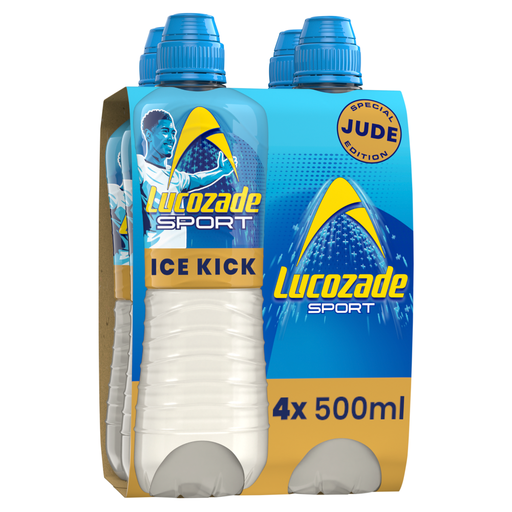
Why This Fits Their Persona: A familiar ready-to-drink option for beginners who want four 500ml bottles for gym sessions, casual sport or keeping in the fridge.
The listed nutrition panel makes its carbohydrate and sugar content clear, helping buyers avoid mistaking it for a sugar-free drink.
500ml bottles; lemon and lime flavour; includes sodium citrate and vitamin B3.
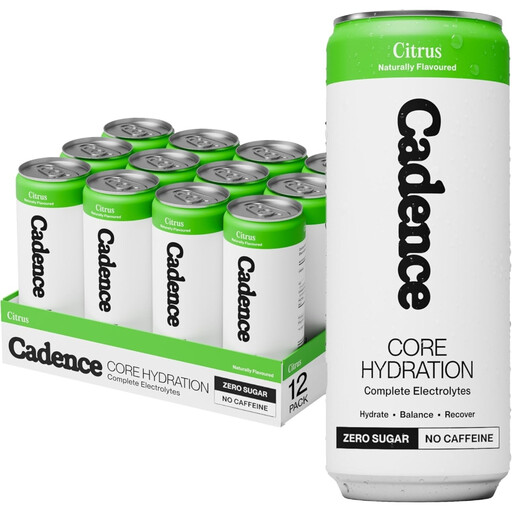
Why This Fits Their Persona: Suits active adults who want a ready-to-drink, low-calorie option for work, commuting, fitness or post-workout use.
It is listed at 0g sugar and 5 kcal per 330ml can, so shoppers can assess its low-sugar positioning from the nutrition information.
330ml ready-to-drink format; contains sodium, potassium and magnesium; no preparation required.
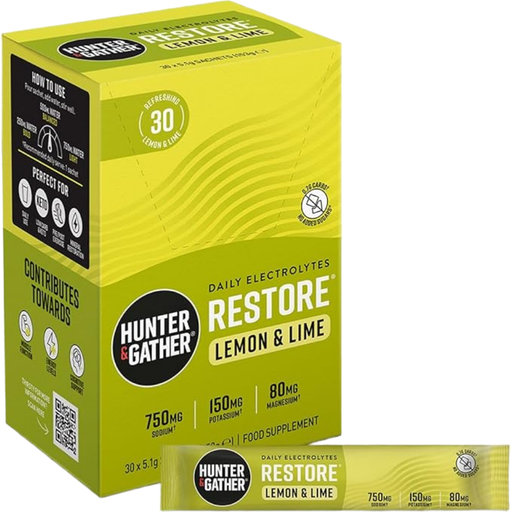
Why This Fits Their Persona: A portable format for endurance runners, outdoor workers and frequent travellers who prefer mixing an electrolyte hydration drink when needed.
Individual sachets avoid transporting bulky bottles, while the listed sodium and mineral quantities make the formula easier to compare.
30 single-serve sachets; 750mg sodium, 150mg potassium and 80mg magnesium per listed serving; sugar-free formulation.
We have compiled a complete, real-time list of products that fully satisfy these strict selection criteria and UK safety regulations.
Ready-to-drink bottles are practical before, during or after exercise and require no mixing. Lucozade Sport Raspberry comes in a 12 x 500ml bottle pack, while Pocari Sweat is available in 500ml and 900ml formats.
Cans are compact and easy to chill, making Cadence Core drinks suitable for a desk, gym locker or shared fridge.
Hydration sachets are generally easier to carry in a running vest or work bag. They do require accurate dilution, so follow the stated water volume and do not consume the dry powder directly.
For many everyday situations, plain water and a balanced diet are sufficient. Electrolyte drinks may be more relevant after prolonged exercise, heavy sweating, hot working conditions or endurance activity. They are not a substitute for water, food or medical treatment.
Also remember that sports drinks, isotonic drinks and energy drinks are separate categories. Check the product’s ingredients and nutrition information instead of relying on front-of-pack wording.
Compare the total sugars and carbohydrates per serving. Cadence Core drinks are listed at 0g sugar and 5 kcal per 330ml, while HUNTER & GATHER sachets are listed at 0.3g naturally occurring sugars per serving. Always verify the current pack label, particularly if you follow a keto or medically restricted diet.
Some products are marketed for daily hydration, but daily suitability depends on the formula, serving size and your individual circumstances. Follow the manufacturer’s directions and avoid excessive intake. Products containing substantial sodium may not suit people on sodium-restricted diets or those with certain health conditions.
Unopened products should be stored according to the packaging and used before the stated date. Once opened, refrigeration and consumption times vary by product. Check the bottle or sachet box rather than assuming all drinks have the same shelf life.