
24/7 Customer Support

Free returns

Same-day & Next-day Delivery

Quality Guaranteed

Unlock Your Welcome Offers: FREE Delivery | Up to 80% OFF | Free 30-day JoyPlus trial
Download the APP
Choosing between electrolyte drinks, isotonic beverages and energy drinks can be confusing. Bright packaging may suggest performance benefits, while large multipacks can make poor-value purchases harder to spot. The practical differences are usually found in the nutrition panel, serving format and intended use.
As the Joybuy Product Recommendation Officer, I focus on helping UK shoppers compare what is actually in the bottle or sachet rather than relying on promotional language. Before buying, watch for three common pitfalls.
Not every drink sold as a functional or energy beverage is an electrolyte product. Drinks containing caffeine may suit a pre-workout routine or busy study day, but caffeine does not automatically mean the product provides meaningful electrolytes.
For example, some zero-sugar energy drinks for exercise contain caffeine and vitamins but only modest amounts of sodium or other minerals. They should be compared separately from sports hydration drinks designed around fluid and electrolyte intake.
Sugar is not always a disadvantage. During prolonged or intense exercise, carbohydrates can be useful as an energy source. However, a sugary isotonic drink may be unnecessary for desk work, short gym sessions or casual hydration.
Check both carbohydrate per serving and sugars per serving, not just front-of-pack wording such as “energy” or “isotonic”. A drink can be low in fat while still containing a considerable amount of sugar.
A 12- or 15-pack may reduce the cost per serving, but only if the product suits your routine and storage space. Ready-to-drink bottles are convenient but heavier to store and transport. Electrolyte sachets are compact, although they require a suitable bottle and enough water for mixing.
Also check allergens, sweeteners, caffeine warnings, serving guidance and the best-before information on the delivered product. Formulas and packaging can change, so the label supplied with the item should take priority.
Sodium is often the most relevant mineral to check after substantial sweating, while potassium and magnesium may also appear in hydration formulas. Compare the actual amount per bottle, can or sachet rather than assuming that “electrolyte water” contains a substantial blend.
Cadence Core Hydration drinks, for example, list 1.25g salt, 190mg potassium and 30mg magnesium per 330ml bottle. By contrast, HUNTER & GATHER Restore provides 750mg sodium, 150mg potassium and 80mg magnesium per sachet, mixed with approximately 500–1,000ml of water according to the product information.
These products serve different routines, so a higher mineral quantity is not automatically appropriate for every shopper. People following a medically advised low-sodium diet or taking medication should seek professional advice before using concentrated hydration supplements.
For everyday hydration or post-workout drinks, shoppers often prefer low-sugar electrolyte drinks or sugar-free hydration drinks. Cadence Core lists 0g sugar and 5 kcal per 330ml bottle, while the Chi Forest Alienergy Lime Electrolyte Water is described as zero sugar and uses erythritol and sucralose.
Traditional isotonic drinks usually combine fluid, electrolytes and carbohydrate. Lucozade Sport Raspberry lists 8.9g sugar per 250ml serving, while the Science in Sport GO Isotonic Energy Orange sachet provides 22g carbohydrate and 0.6g sugars per 60ml serving. This makes the latter more relevant to shoppers seeking compact carbohydrate during longer or harder sessions rather than a low-calorie daily drink.
Caffeine content should be clearly checked before buying energy drinks. CELSIUS Raspberry Peach contains 200mg caffeine per 355ml can, while CELSIUS Kiwi Guava and Watermelon Strawberry list 113.6mg per can. These products are not suitable for children and carry warnings for pregnant or breastfeeding women and people sensitive to caffeine.
For a family fridge, student household or regular training schedule, compare cost per bottle or serving, not just the total pack price. A sports drinks multipack can be convenient, but a concentrated sachet may offer easier transport for runners, hikers and commuters.
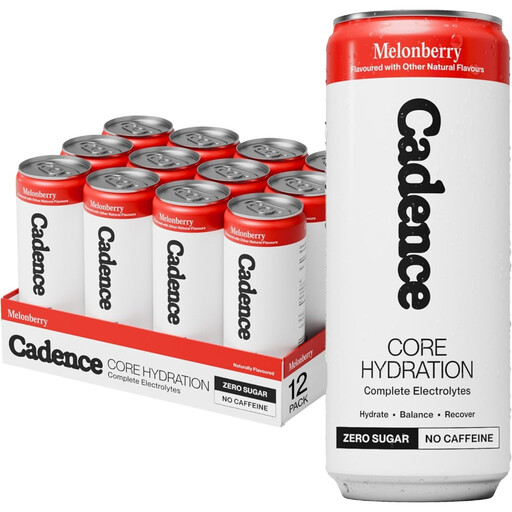
Why This Fits Their Persona: A ready-to-drink 12-pack gives newcomers a straightforward option for the gym, commuting or keeping chilled at home, without mixing powders.
The label states 0g sugar and 5 kcal per 330ml bottle, making the nutrition profile easy to check rather than relying on vague “light” claims.
Triple electrolyte blend; portable 330ml bottles; natural flavourings and plant-based sweetener listed.
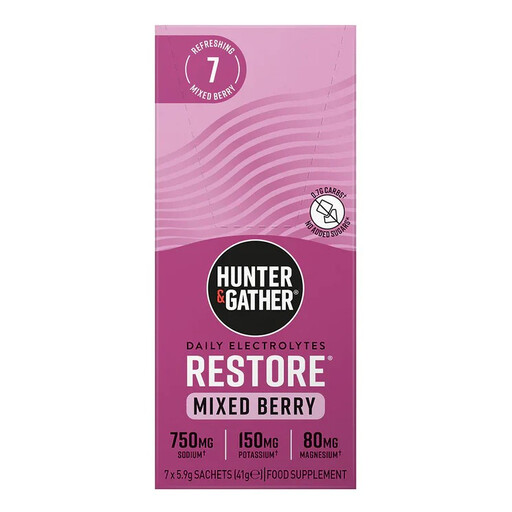
Why This Fits Their Persona: Suitable for shoppers who want a measured sachet format and a clearly stated mineral breakdown for training, travel or hot outdoor days.
The serving panel states 750mg sodium, 150mg potassium and 80mg magnesium, so buyers can compare mineral quantities directly.
7 individual sachets; 0.3g sugar per serving; monk fruit sweetener listed.
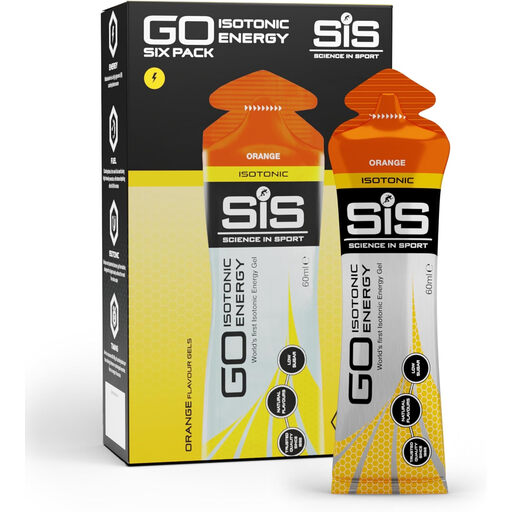
Why This Fits Their Persona: Compact squeeze packs suit runners, cyclists and athletes who want carbohydrate intake during medium- or high-intensity sessions.
The 60ml serving provides 22g carbohydrate, while the label separately states 0.6g sugars, allowing more precise comparison with conventional sports drinks.
One-hand squeeze format; orange flavour; zero fat and zero protein per serving.
We have compiled a complete, real-time list of products that fully satisfy these strict selection criteria and UK safety regulations.
Water is suitable for many everyday situations. Electrolyte drinks may be more relevant after heavy sweating, endurance exercise or time spent outdoors in warm conditions. Check the sugar, sodium and calorie content before making them a daily habit.
Not exactly. Isotonic drinks commonly contain fluid, electrolytes and carbohydrate, while electrolyte water may contain minerals with little or no sugar. Read the nutrition panel to identify the actual difference.
For a short, moderate session, a low-sugar hydration drink may be sufficient. Longer or more demanding activity may increase the appeal of a carbohydrate-containing isotonic drink or a compact energy sachet. Caffeine-containing energy drinks should be assessed separately, particularly if consumed later in the day.
Always follow the product label, serving guidance and safety warnings. Consumers with allergies, health conditions, medication use or specific dietary restrictions should obtain appropriate medical advice before using concentrated hydration supplements.