
24/7 Customer Support

Free returns

Same-day & Next-day Delivery

Quality Guaranteed

Unlock Your Welcome Offers: FREE Delivery | Up to 80% OFF | Free 30-day JoyPlus trial
Download the APP
Whether you run along the seafront, cycle to work, train at the gym or simply want a convenient drink for busy days, electrolyte drinks and hydration supplements can seem difficult to compare. Powders, tablets, ready-to-drink bottles and sports gels all serve different purposes, while similar-looking packaging can conceal significant differences in sugar, sodium, caffeine and serving size.
Before buying, watch out for three common traps:
The right choice depends on your activity, diet, flavour preferences and how much preparation you are willing to do.
Electrolytes generally include sodium, potassium, magnesium, calcium and chloride. Sodium is particularly important to check when comparing sports hydration products, as labels can list it separately from salt.
For occasional daily use, a light hydration drink may be sufficient. For longer sessions or hot-weather activities, compare the actual mineral quantities per serving rather than relying on terms such as “advanced”, “professional” or “complete”. A product with several minerals is not automatically suitable for every workout.
Also distinguish between:
Check both carbohydrate and sugar per serving. A sugar-free electrolyte drink may be appropriate when you want low-calorie hydration, while a carbohydrate-based isotonic sports drink can be useful when your priority is energy during sustained exercise.
For example, Science in Sport GO provides 22g of carbohydrate and 87 calories per 60ml pack, making it an energy supplement rather than a general-purpose water replacement. By contrast, Cadence Core Hydration contains 0g sugar and 5 calories per 330ml bottle, with sodium, potassium and magnesium listed on the nutrition panel.
Do not assume “isotonic” automatically means low sugar or low calorie. Read the full label, including sweeteners and serving size.
Caffeine can be useful for some adults seeking an energy and hydration drink, but it should not be overlooked. Vidrate Boost contains 90mg caffeine per 3g sachet, while fourfive Hydro Plus lists 80mg per serving. These products may be less suitable later in the day or for people who are caffeine-sensitive.
Also check for:
In the UK, always check the current packaging for ingredients, nutrition information, warnings and the responsible business details. Formulations can change, and online product descriptions may not reflect every packaging update.
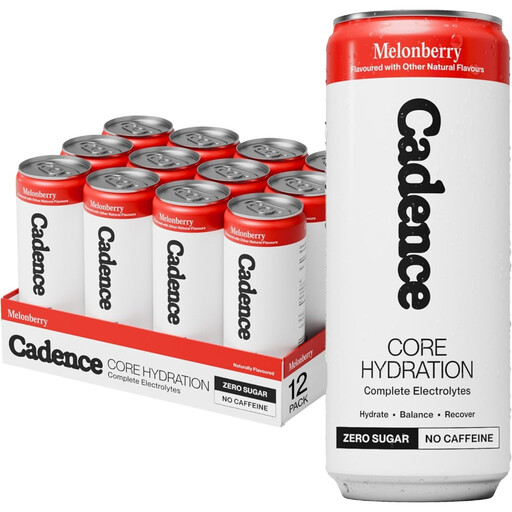
Why This Fits Their Persona: A ready-to-drink option for commuters, beginners and active adults who prefer not to mix powders or carry tablets.
Its nutrition panel clearly lists 0g sugar, 5 calories and electrolyte quantities per 330ml bottle, avoiding vague low-sugar wording.
Includes sodium, potassium and magnesium; the 12-bottle format is convenient for home, work or the gym.
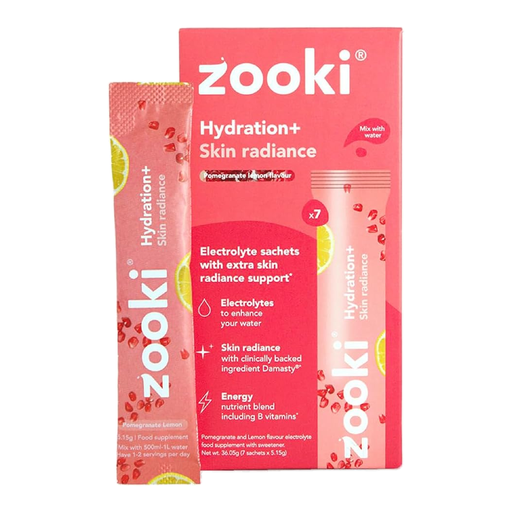
Why This Fits Their Persona: Suits adults who want a sugar-free vegan electrolyte supplement with several minerals and added vitamins in portable sachets.
The per-sachet panel states 0g sugar and identifies sodium, potassium, magnesium and calcium rather than relying only on beauty-focused language.
Each 5.1g sachet contains 650mg sodium, 200mg potassium, 100mg magnesium and 50mg calcium, plus vitamin C and B vitamins.
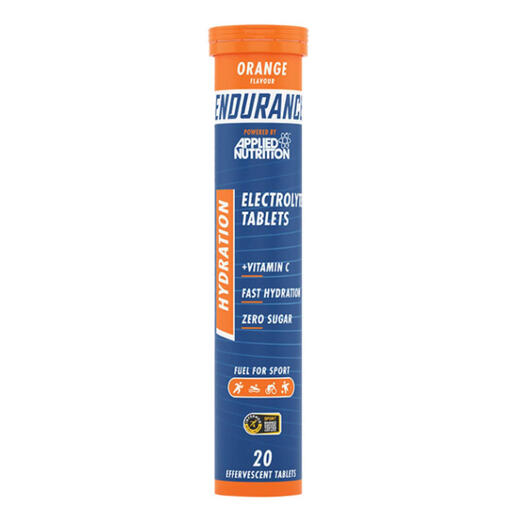
Why This Fits Their Persona: Practical for runners, cyclists and gym-goers who want a measured tablet format before, during or after training.
It states 7 calories, 0g sugar and a maximum of four tablets daily, helping buyers plan intake rather than guess from pack claims.
One tablet supplies sodium, potassium, calcium, magnesium and vitamin C; it is listed as suitable for vegan and vegetarian diets.
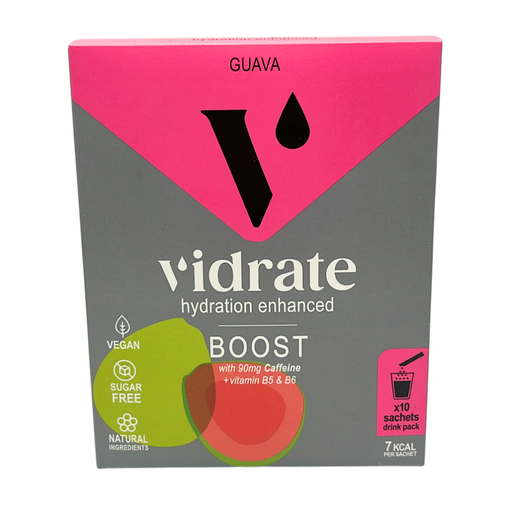
Why This Fits Their Persona: Designed for adults wanting a zero-sugar hydration powder with caffeine for work, travel or selected daytime workouts.
The caffeine level is stated as 90mg per sachet, and the guidance sets a maximum of two sachets daily, making the stimulant content easier to monitor.
Each serving provides 5.8 calories, no sugar and electrolytes including sodium, potassium, chloride and calcium; it is listed as vegan, halal, dairy-free and gluten-free.
We have compiled a complete, real-time list of products that fully satisfy these strict selection criteria and UK safety regulations.
For many everyday situations, water and a balanced diet may be sufficient. Electrolyte products are more relevant when you sweat heavily, exercise for longer periods, spend time in hot conditions or need a portable alternative to plain water. Choose according to the activity rather than drinking high-electrolyte products automatically every day.
They can be, particularly when bought in multi-tablet tubes and mixed with tap water. Compare the cost per prepared serving, not only the pack price. Ready-made bottles offer greater convenience but may cost more to transport and store.
Unopened products should be stored according to the packaging and used before the stated best-before date. Keep powders sealed against moisture and replace tablets if they become damp, soft or difficult to dissolve. Once prepared, follow the label’s guidance; some products should be consumed shortly after mixing. Always inspect the packaging before use and check the current label for updated instructions.