
24/7 Customer Support

Free returns

Same-day & Next-day Delivery

Quality Guaranteed

Unlock Your Welcome Offers: FREE Delivery | Up to 80% OFF | Free 30-day JoyPlus trial
Download the APP
For runners, gym-goers, cyclists and busy professionals, electrolyte drinks can be a convenient way to add fluids and minerals to a daily routine. However, a brightly coloured bottle or “advanced hydration” claim does not automatically make a product suitable for your needs.
The right choice depends on electrolyte quantities, sugar content, serving format and intended use. Before buying, check the label rather than relying on front-of-pack promises. This guide explains the common pitfalls and compares practical options available through Joybuy.
Traditional isotonic sports drinks often contain carbohydrates alongside sodium and other minerals. This may suit longer or more demanding exercise, but it can add energy and sugar to your daily intake. For example, Lucozade Sport Raspberry provides 27 kcal and 3.5g of sugars per 100ml, while a 500ml bottle contains considerably more.
By contrast, some sugar-free electrolyte drinks and hydration tablets contain little or no sugar. These may fit lower-carb, keto or calorie-conscious diets, but they are not designed to provide substantial carbohydrate energy during endurance activity.
Electrolyte drinks can contain different combinations and quantities of sodium, potassium, magnesium, calcium and chloride. A product listing several minerals may still provide only modest amounts per serving.
Sodium is particularly important to compare because formulas vary widely. HUNTER & GATHER Restore lists 750mg sodium per sachet, whereas Applied Nutrition Effervescent Electrolyte Tablets Orange lists 332mg sodium per tablet. Neither figure is automatically right for everyone; your choice should reflect your activity, sweat levels, diet and personal health requirements.
Sugar-free does not always mean free from sweeteners. Products may contain sucralose, steviol glycosides, erythritol, sorbitol or aspartame. Sorbitol can have a laxative effect when consumed excessively, while products containing aspartame are unsuitable for people with phenylketonuria.
Always check the full ingredient list, allergen statement, maximum daily serving and age guidance. Dietary supplements should not replace a varied, balanced diet. If you have kidney disease, cardiovascular conditions, high blood pressure, follow a low-sodium diet, take medication or are pregnant or breastfeeding, seek appropriate medical advice before using concentrated electrolyte supplements.
For hydration supplements, compare the quantity per tablet, sachet or prepared drink, not just the amount per 100g. A serving may contain sodium chloride or sodium citrate, with additional potassium and magnesium.
For everyday use or light exercise, a milder electrolyte water or low-dose tablet may be more comfortable. Heavy sweaters and people undertaking prolonged activity may prefer a more concentrated formula, but higher sodium products require greater care, particularly if you have been advised to restrict salt.
Choose based on what you need the drink to do:
Do not assume that a sugar-free drink provides sports fuel. Conversely, a carbohydrate-containing product may be unnecessary for a short gym session.
Ready-to-drink bottles require no mixing and work well for commuting, matches or immediate post-workout use. Tablets and sachets are easier to store in a gym bag or suitcase, while larger tubs of electrolyte powder can offer more servings for regular users.
Check the recommended water volume. Some products are intended for 200–500ml, while HUNTER & GATHER Restore can be diluted in approximately 500–1,000ml according to taste. A tablet or powder should be fully dissolved before drinking, and prepared drinks should be consumed according to the product instructions.
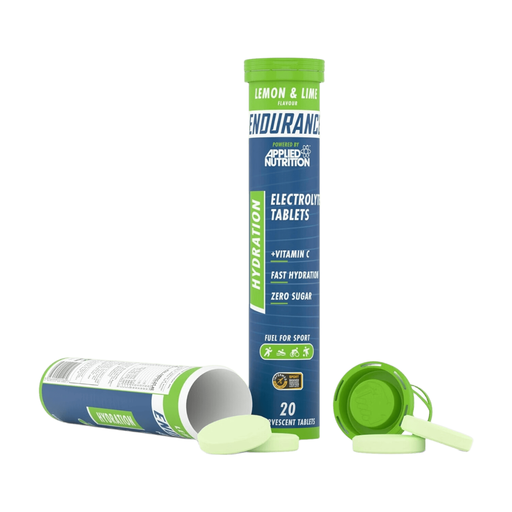
Why This Fits Their Persona: A portable 20-tablet tube gives newcomers a straightforward way to try hydration tablets at the gym, while travelling or on warm days in the UK. Each tablet provides 6 calories and is listed as suitable for vegan and vegetarian diets.
The label clearly states its sodium, potassium, calcium and magnesium amounts, along with a maximum of four tablets daily and a sorbitol warning.
Fast-dissolving tablet format; 270mg sodium and 40mg vitamin C per tablet.
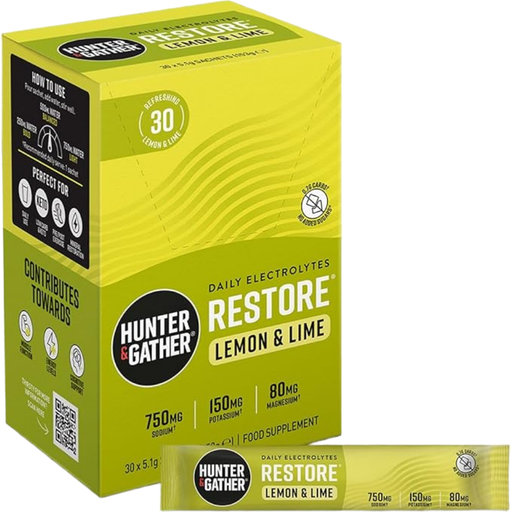
Why This Fits Their Persona: Designed for adults who want a sugar-free electrolyte powder with a clearly stated mineral profile and individual sachets for work, travel or training.
It avoids hidden sugar by listing 0.3g sugars and 5 kcal per serving, while the sodium level is shown rather than implied through vague hydration language.
750mg sodium, 150mg potassium and 80mg magnesium per sachet; vegan and dairy-free suitability is stated.
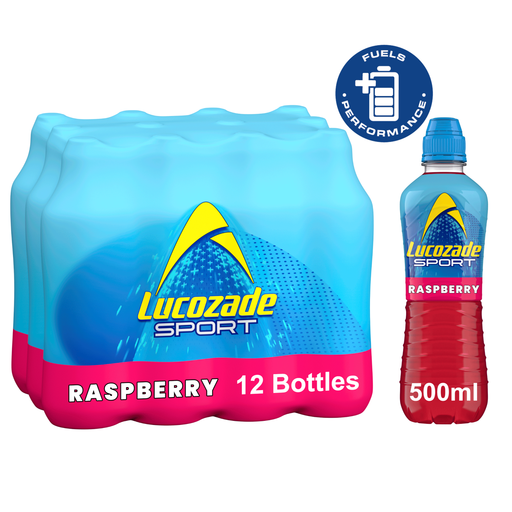
Why This Fits Their Persona: Ready-to-drink 500ml bottles are practical for team sports, match-day preparation and longer training sessions where carrying powder and a shaker is inconvenient.
The carbohydrate and sugar content is declared clearly, helping buyers avoid accidentally choosing a sweetened product when they intended a zero-sugar option.
12 ready-to-drink bottles; contains carbohydrates and listed electrolytes for exercise-focused use.
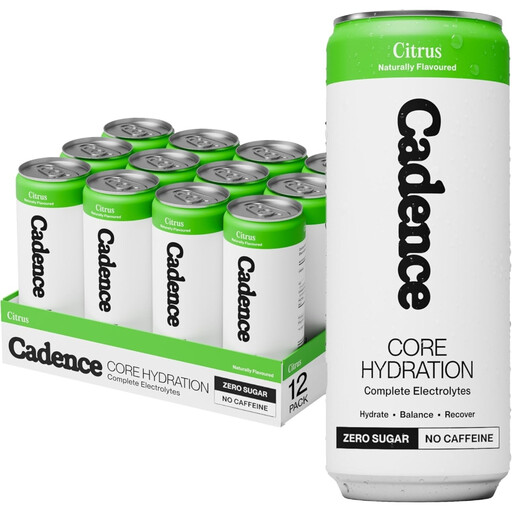
Why This Fits Their Persona: The ready-to-drink 330ml cans suit desk drawers, commutes and post-workout use when you want a chilled serving without sugar.
The nutrition panel states 0g sugar and 5 kcal per 330ml can, making the product positioning easy to verify.
12-pack format; includes sodium, potassium and magnesium compounds with no sugar listed.
We have compiled a complete, real-time list of products that fully satisfy these strict selection criteria and UK safety regulations.
For a short, moderate session, plain water may be sufficient for many people. Electrolyte drinks become more relevant during prolonged exercise, heavy sweating, hot weather, travel or activities where fluid and salt losses are higher. Check the serving information rather than assuming a higher mineral dose is necessary.
Some products provide daily serving guidance, but this does not mean more is better. Follow the label, stay within the maximum stated intake and consider your total sodium, potassium and supplement intake from other sources. Anyone with a medical condition or prescribed medication should ask a healthcare professional before regular use.
They can suit runners who want fluids and electrolytes without carbohydrate or added sugar. For longer runs, cyclists’ rides or intense training, you may also need a separate source of carbohydrate. Compare the formula with your activity duration, sweat rate and nutrition plan before buying.