
24/7 Customer Support

Free returns

Same-day & Next-day Delivery

Quality Guaranteed

Unlock Your Welcome Offers: FREE Delivery | Up to 80% OFF | Free 30-day JoyPlus trial
Download the APP
Whether you are training for a half marathon, cycling across the weekend, commuting by bike or simply trying to drink more during warm weather, electrolyte drinks and hydration supplements can be convenient additions to your routine. However, the choice is wider than it first appears: ready-to-drink bottles, sports hydration drinks, electrolyte powder, hydration tablets, sachets and coconut water all provide different combinations of fluid, minerals, carbohydrates, caffeine and calories.
The right option depends on how much you sweat, whether you need energy as well as fluid and how closely you monitor sugar, caffeine or salt intake. A striking front-of-pack claim does not always tell you what is inside.
An isotonic sports drink may contain carbohydrates and some sodium, while a sugar-free electrolyte drink may provide minerals with little or no energy. These products are not automatically interchangeable.
For example, Lucozade Sport Raspberry provides 27 kcal and 6.3g carbohydrate per 100ml, while Applied Nutrition’s effervescent tablets provide 6–7 calories per tablet and no sugar. If you are running for several hours, carbohydrate may be useful as part of your overall fuelling plan. For a short gym session, the extra sugar may be unnecessary.
A low-calorie hydration drink can still contain sweeteners and an energy hydration drink may contain a significant amount of caffeine. ViDrate Boost lists 90mg caffeine per sachet, while fourfive Hydro Plus lists 80mg per serving. These amounts matter if you already drink coffee, train late in the evening or are sensitive to caffeine.
Read the ingredient list rather than relying only on terms such as “clean”, “natural” or “performance”. Also check warnings, particularly if pregnant, breastfeeding, taking medication or managing a medical condition.
A 30-sachet box may offer useful value for regular users, but it is inconvenient if you rarely exercise. Conversely, single bottles are easy to use but take up more storage space and may cost more per serving.
Consider serving size, preparation, storage and cost per use. Powder and hydration tablets are generally easier to keep in a work bag or cycling kit, while ready-to-drink bottles require no mixing.
Sodium is particularly relevant when comparing products intended for heavy sweating, but a higher number is not automatically suitable for everyone. Compare the amount per serving, not just per 100g of powder.
Examples from the available range include:
If you follow a medically advised low-sodium diet or have kidney, heart or blood-pressure concerns, check with a healthcare professional before using a high-sodium supplement.
A sugar-free electrolyte drink or low-calorie hydration drink may suit everyday use, low-sugar diets and shorter workouts. Powder, tablets and sachets can also make it easier to control how much you mix into a bottle.
Carbohydrate-containing sports hydration drinks have a different role. Lucozade Sport Raspberry contains 15.7g carbohydrate per 250ml, while Science in Sport GO provides 22g carbohydrate per 60ml serving. These products may be more relevant when you need portable energy during prolonged exercise, rather than simply adding flavour to water.
Check whether the product is suitable for your diet and schedule. Some listings specify vegan, vegetarian, halal, dairy-free or gluten-free suitability, but always confirm the current packaging if allergies or dietary restrictions are important.
Also check how much water is required. Applied Nutrition tablets can be dissolved in 200–500ml, while several powders recommend 300–700ml. Mixing into too little water can produce an overly strong taste, particularly with salty electrolyte sachets.
The following options are matched to different shopping priorities rather than ranked from one to another.
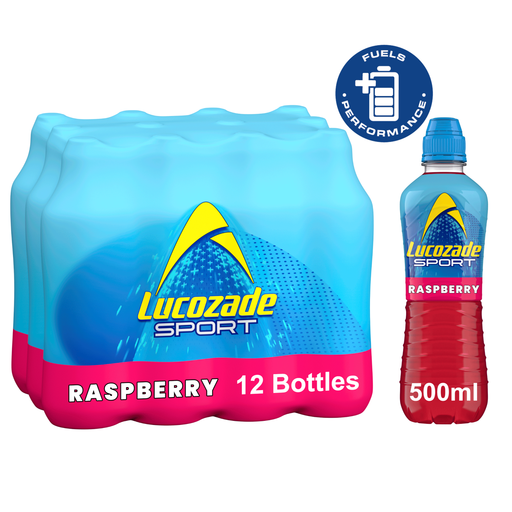
Why This Fits Their Persona: Ready-to-drink bottles are straightforward for new gym-goers, local football players and anyone who does not want to measure electrolyte powder after exercise.
The nutrition panel clearly shows its carbohydrate and calorie content, so it is not mistaken for a zero-sugar electrolyte drink.
500ml bottles; raspberry flavour; 12-pack format; contains carbohydrate and sodium chloride.
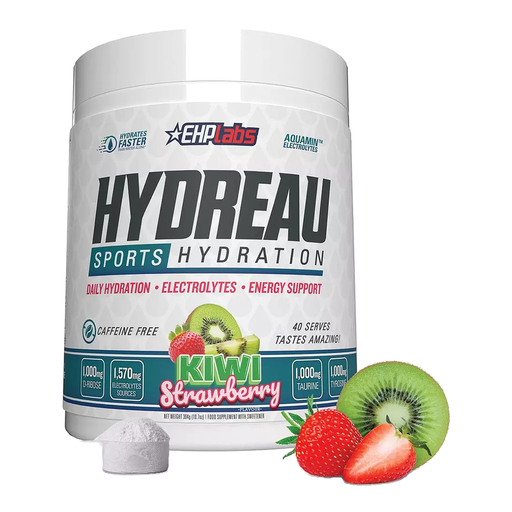
Why This Fits Their Persona: A 40-serving tub suits regular gym users who prefer a flavoured hydration powder and want additional ingredients alongside electrolytes.
The listing provides per-serving figures, including 15 kcal, 200mg sodium and 80mg magnesium, making comparison easier.
40 servings; 15 kcal per serving; includes coconut water powder, taurine and tyrosine; low-sugar formula.
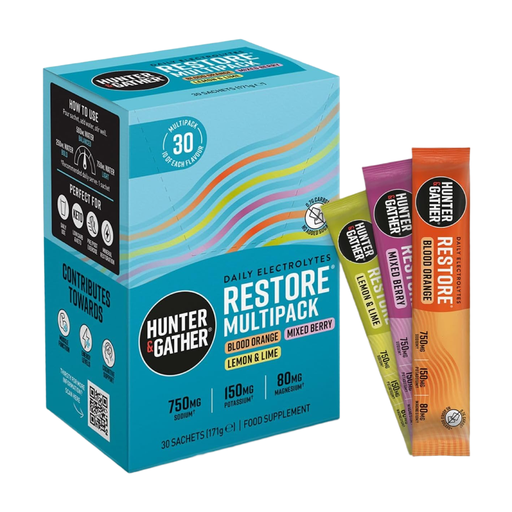
Why This Fits Their Persona: Runners, cyclists and outdoor workers can carry individual electrolyte sachets for hot days or longer sessions without transporting bottles of prepared drink.
Its stated sodium level is prominent: 750mg per sachet. This helps heavy-sweat users compare it with lower-sodium formulas rather than guessing from vague claims.
30 single-serve sachets; zero sugar and zero calories listed; three flavours; vegan-friendly positioning.
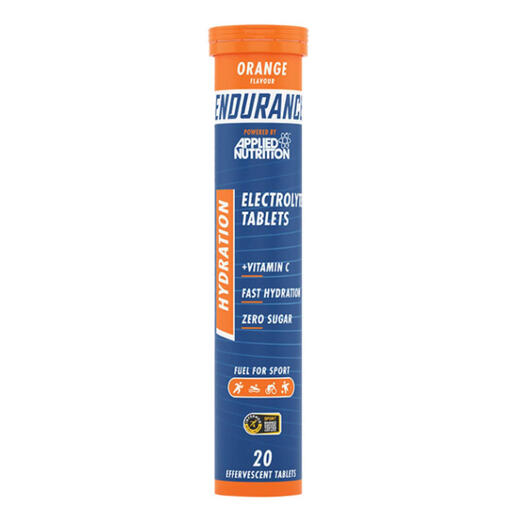
Why This Fits Their Persona: Tablets are practical for office drawers, travel bags and post-workout hydration when you want a measured serving without carrying a tub of powder.
The format makes portion control simple, while the listing states 7 calories, zero sugar and the mineral amounts per tablet.
20 tablets; orange flavour; vegan and vegetarian suitability stated; dissolves in 200–500ml of water.
We have compiled a complete, real-time list of products that fully satisfy these strict selection criteria and UK safety regulations.
Not necessarily. Water remains suitable for many everyday situations. Electrolyte drinks may be more practical after substantial sweating, prolonged exercise, hot-weather activity or travel. Check the product’s sodium, sugar and calorie information before using it routinely.
It can be, particularly in multi-serving tubs or sachet boxes, but compare the cost per prepared serving rather than the pack price. Ready-to-drink bottles offer convenience, whereas powder and hydration tablets reduce packaging bulk and are easier to store.
Unopened products should be stored according to the packaging and used before the stated best-before date. Once prepared, follow the label’s instructions; some products recommend consuming the drink promptly or within 24 hours. Keep opened powder sealed and dry, as moisture can affect texture and dissolving. Always check the current label for ingredients, dosage and warnings before use.