
24/7 Customer Support

Free returns

Same-day & Next-day Delivery

Quality Guaranteed

Unlock Your Welcome Offers: FREE Delivery | Up to 80% OFF | Free 30-day JoyPlus trial
Download the APP
Choosing between electrolyte drinks and hydration supplements can be surprisingly confusing. Shelves and online listings contain isotonic sports drinks, zero sugar electrolyte drinks, energy beverages, coconut water and electrolyte powder sachets, all presented as suitable for active lifestyles. However, the right choice depends on your activity, fluid needs, preferred format and tolerance for sugar or caffeine.
An electrolyte hydration drink is designed primarily to provide fluids and minerals such as sodium, potassium and magnesium. An energy sports drink may instead focus on carbohydrates, caffeine or glucose.
These products are not interchangeable. A sugary energy drink may provide calories without offering a meaningful electrolyte profile, while a zero sugar electrolyte drink may not provide the carbohydrate intake needed during prolonged endurance exercise. Check the nutrition panel rather than relying on terms such as “active”, “performance” or “sports”.
A zero sugar or low-calorie hydration drink may suit everyday use, desk work, travel or short workouts. Nevertheless, sugar-free does not automatically mean low in sodium, and “natural” does not describe the complete nutritional profile.
For example, the listed Cadence Core drinks contain 0g sugar and 5 kcal per 330ml can, while the Cadence sachets contain 500mg sodium per 5g serving. Those are useful figures to compare, but they may not suit people following a medically advised low-sodium diet.
A 12-pack of bottled drinks is convenient for home, the office or a gym bag, but it takes up more storage space and is heavier to transport. Sachets are easier for commuting, travelling and races, but you need access to water and a suitable bottle.
Also check serving instructions. Some products are intended for one serving per day, while sports products may have different usage guidance. Always follow the product label and do not assume that more electrolytes means better value or improved results.
Look for clearly stated values per serving. The most commonly listed minerals are sodium, potassium and magnesium, with some products adding calcium. Sodium is particularly relevant when sweat losses are high, but the appropriate amount varies with activity, heat, diet and individual circumstances.
Compare like with like: a 330ml ready-to-drink can, a 500ml bottle and a sachet mixed into 1 litre of water have different serving volumes. A product listing minerals only “per 100ml” may require simple multiplication before you can make a fair comparison.
A low-calorie hydration drink can be practical for everyday hydration when you do not want additional sugar. Cadence Core Cola, Melonberry and Citrus drinks list 0g carbohydrate and 5 kcal per 330ml serving.
By contrast, Lucozade Sport Raspberry lists 8.9g sugars per 250ml serving, while F&N 100 Plus lists 15.9g sugars per 325ml serving. These carbohydrate-containing options may appeal during exercise, but they contribute to daily sugar intake. Science in Sport GO Isotonic Energy Orange is a different category again, providing 22g carbohydrate per 60ml pack for use during exercise.
Read the full ingredient list for sweeteners, caffeine, allergens and additives. Cadence Race Grapefruit sachets list 100mg caffeine per 5g sachet, so they require more consideration than a caffeine-free hydration product, particularly late in the day or for caffeine-sensitive users.
Products containing aspartame require attention from people with phenylketonuria. Energy drinks may contain caffeine, and some products include colours or preservatives. If you are pregnant, breastfeeding, under 18, taking medicines or managing a health condition, check the label and seek appropriate medical advice before using a supplement.
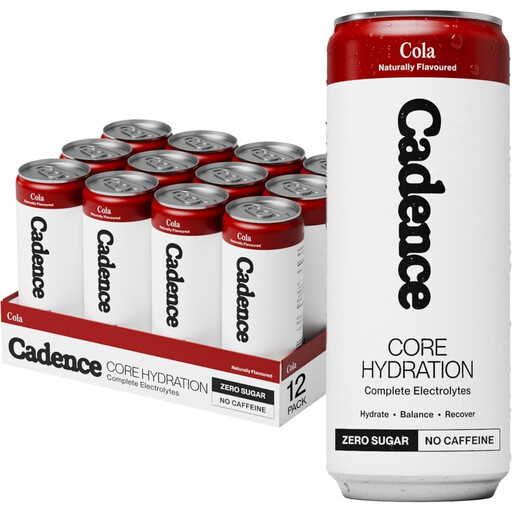
Why This Fits Their Persona: A ready-to-drink multipack offers straightforward portioning for home, work or casual gym use without mixing powder.
The label provides serving-level sugar, calorie, salt, potassium and magnesium figures, avoiding vague electrolyte wording.
330ml cans; 0g sugar; 5 kcal per serving; sodium citrate, potassium citrate and magnesium citrate listed.
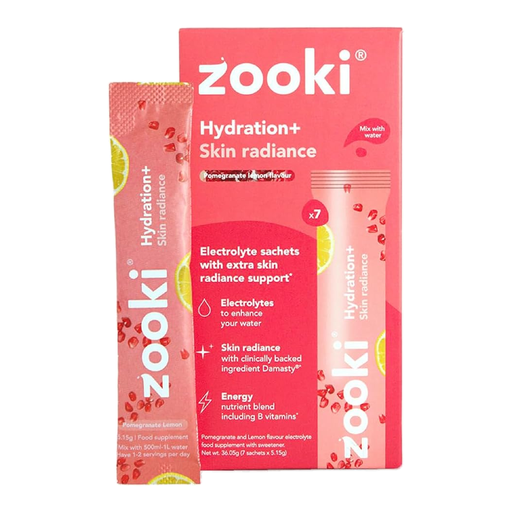
Why This Fits Their Persona: Suitable for shoppers seeking a travel-friendly sachet with electrolytes plus listed vitamins and a fruit-flavoured profile.
Its nutrition panel states mineral and vitamin amounts per 5.1g sachet, while the ingredients identify the sweetener and botanical blend.
20 single-serve sachets; 650mg sodium, 200mg potassium and 100mg magnesium per sachet; 0g sugar listed.
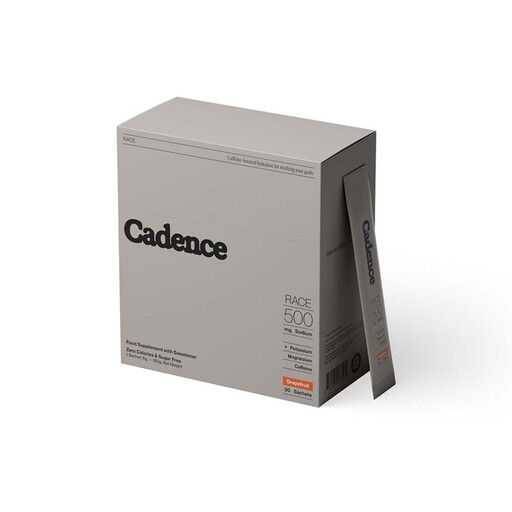
Why This Fits Their Persona: Designed around endurance hydration, this portable format suits runners, cyclists and users spending longer periods outdoors.
It clearly lists 500mg sodium, 200mg potassium and 20mg magnesium per sachet, plus caffeine content that buyers can assess before purchase.
30 sachets; 0g sugar listed; grapefruit flavour; 100mg caffeine and 200mg L-theanine per sachet.
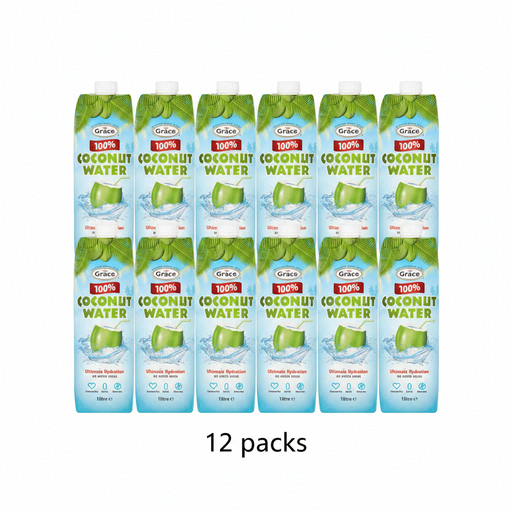
Why This Fits Their Persona: A cupboard-friendly coconut water multipack suits shoppers who prefer a single-ingredient beverage for chilled everyday drinking.
The ingredient list is simply coconut water, so there is less uncertainty around sweeteners, caffeine and flavouring blends.
100% coconut water; no added sugar; 22 kcal per 100ml; suitable for vegetarians.
We have compiled a complete, real-time list of products that fully satisfy these strict selection criteria and UK safety regulations.
They can be, but plain water remains suitable for many everyday situations. Electrolyte drinks may be more relevant after heavy sweating, prolonged exercise, hot conditions or travel. Check sugar, sodium and caffeine levels before making them a daily habit.
They may reduce storage and transport costs because one small sachet is mixed with water. The actual cost depends on pack price, serving volume and how often you use the product. Compare the price per serving rather than the headline pack price.
It depends on the workout and your nutrition needs. An isotonic sports drink may provide fluids, electrolytes and carbohydrate, while an energy drink may contain more sugar or caffeine without the same mineral balance. Compare the nutrition and ingredient panels, and follow the stated serving guidance.
Product formulations, packaging and instructions can change. Always check the current UK product label, allergy information and warnings before purchase or consumption.