
24/7 Customer Support

Free returns

Same-day & Next-day Delivery

Quality Guaranteed

Unlock Your Welcome Offers: FREE Delivery | Up to 80% OFF | Free 30-day JoyPlus trial
Download the APP
Electrolyte drinks are no longer limited to marathon runners and professional sports teams. They are now widely used by gym-goers, students, busy commuters, families and outdoor enthusiasts looking for convenient hydration. However, colourful packaging and phrases such as “clean”, “natural” or “sports formula” can make comparison difficult.
The right choice depends on sugar content, electrolyte levels, serving format and intended use. Before buying hydration drinks online, check the details behind the front-of-pack marketing.
Some sports hydration drinks contain substantial carbohydrate, which may be useful during prolonged exercise but less suitable for everyday sipping. For example, the DP Lemon Electrolyte Drink provides 6.0g of sugar per 100ml, equal to approximately 33g in its 555ml bottle. By contrast, Cadence Core Hydration Drink lists 0g sugar and 5 kcal per 330ml bottle.
“Low calorie” and “sugar-free” are not interchangeable. A drink may use sweeteners while still having a particular flavour profile or acidity that does not suit everyone. Always check the nutrition table and ingredients list rather than relying on the product title.
Coconut water is a convenient natural hydration drink and can provide potassium. Vita Coco Natural Coconut Water, for instance, lists 185mg of potassium per 100ml, while Grace 100% Coconut Water contains coconut water as its sole listed ingredient.
However, natural coconut water does not necessarily provide the same sodium or magnesium profile as electrolyte powder sachets designed for exercise. It is also not automatically sugar-free: the natural sugars in coconut water still appear in the carbohydrate section of the label.
An isotonic drink with carbohydrate may be practical for longer, demanding exercise, while a zero-sugar electrolyte water may be more appropriate for a short gym session or daily refreshment. Energy drinks for exercise can also refer to products designed primarily for carbohydrate intake rather than mineral replenishment.
Consider when you will drink it, how long you will exercise and how much you sweat. Avoid paying for an advanced formula if plain water is sufficient for your usual routine.
Look for clearly stated amounts per serving, particularly sodium, potassium and magnesium. Sodium is often relevant to fluid replacement after heavy sweating, while potassium and magnesium may also appear in multi-electrolyte formulations.
The numbers can vary considerably:
These products are not directly interchangeable because their serving sizes and intended uses differ. A higher mineral quantity is not automatically preferable for casual drinking.
For everyday hydration drinks, compare sugars per 100ml, total calories and the type of sweetener used. Sugar-free electrolyte drinks may contain steviol glycosides, sucralose, erythritol or monk fruit extract. If you have a preference or sensitivity, read the full ingredient list.
For exercise lasting longer or involving sustained effort, carbohydrate may be a deliberate feature. Science in Sport GO Isotonic Energy Orange Drink contains 22g of carbohydrate per 60ml serving, making it a different type of product from a zero-sugar electrolyte sachet. Follow the packaging directions and avoid combining several high-carbohydrate products without considering your total intake.
Ready-to-drink bottles are convenient for work, school and immediate post-workout hydration. Powders are usually easier to store and carry, but they require a suitable bottle and enough water for mixing.
Check:
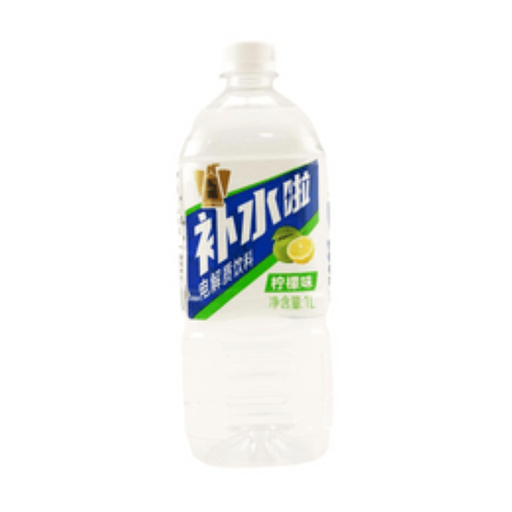
Why This Fits Their Persona: A ready-to-drink 555ml bottle offers a straightforward entry point for students, commuters and occasional gym users who prefer a familiar lemon flavour without preparing powder.
Its label states the energy and sugar values clearly: 26 kcal and 6.0g sugar per 100ml. This helps shoppers account for the full bottle rather than assuming it is sugar-free.
Ready to drink; lemon flavour; contains salt, coconut water concentrate and potassium chloride.
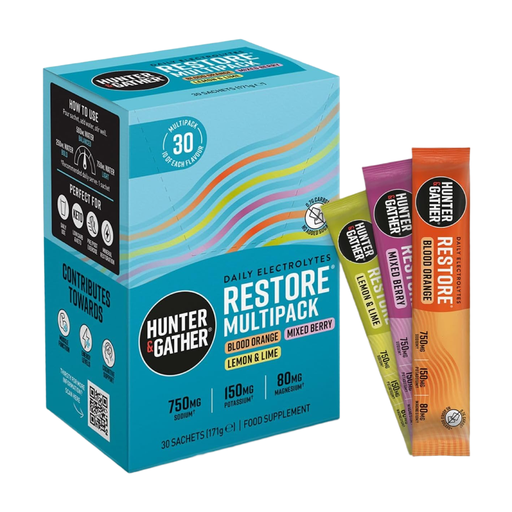
Why This Fits Their Persona: Useful for shoppers who want multiple flavours and a portable format for travel, office days or planned training sessions.
The listing states 0g sugar per sachet and provides mineral quantities per serving, rather than relying only on broad “clean hydration” language.
30 individual sachets; three listed flavours; 750mg sodium, 150mg potassium and 80mg magnesium per sachet.
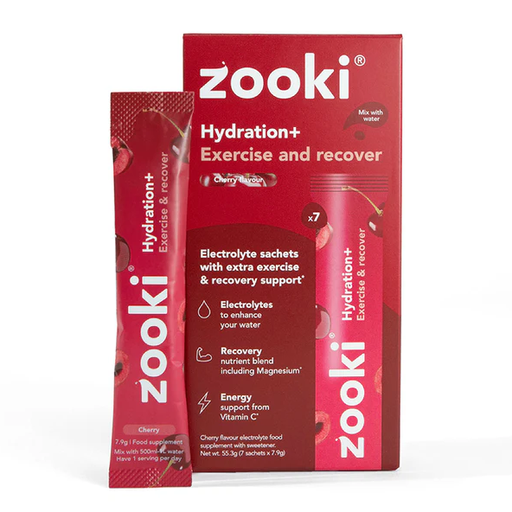
Why This Fits Their Persona: Designed for adults who prefer a measured sachet during or after demanding exercise and want more than a basic electrolyte water.
It shows a complete per-sachet breakdown, including sodium, potassium, magnesium, calcium and carbohydrate, making it easier to compare with other sports hydration drinks.
Five listed electrolytes; 0g sugar per sachet; cherry flavour; mix with 500–1000ml of water according to the directions.
For ordinary desk work, school or light activity, water remains a practical foundation. A sugar-free bottled option such as Cadence may suit shoppers who want a flavoured drink with stated mineral content. Coconut water can provide a different taste and naturally occurring potassium, but compare its sugar content before making it a daily replacement for plain water.
For post-workout hydration, consider whether you need only minerals or also carbohydrate. Sachets such as HUNTER & GATHER or Zooki are portable and allow you to control the amount of water used. For longer activities, isotonic drinks such as Pocari Sweat or the Science in Sport option may be considered, but follow the serving guidance and account for their carbohydrate content.
If you prefer a multipack drinks format for the fridge, compare the total volume, storage requirements and use-by guidance after opening. Aloe vera drinks and kombucha can add flavour variety, but they should be selected as refreshments rather than assumed to provide the same electrolyte profile as a dedicated sports formula.
We have compiled a complete, real-time list of products that fully satisfy these strict selection criteria and UK safety regulations.
They can be convenient, but not every formula is intended for constant consumption. Check sugar, caffeine, sodium and sweetener levels, and use the product according to its label. Plain water and a balanced diet remain important parts of normal hydration.
Choose sachets if portability, storage and adjustable dilution matter. Ready-to-drink bottles are more convenient when you need immediate hydration and do not want to mix a powder. Compare the number of servings and total price rather than only the pack price.
Follow the individual product label. Many bottled drinks should be consumed immediately or refrigerated after opening, while sealed sachets should remain dry until use. Always check the ingredients, warnings and directions supplied with the packaging, particularly if you have an allergy, take medication or follow a medically advised diet.