
24/7 Customer Support

Free returns

Same-day & Next-day Delivery

Quality Guaranteed

Unlock Your Welcome Offers: FREE Delivery | Up to 80% OFF | Free 30-day JoyPlus trial
Download the APP
For runners, gym-goers, cyclists and busy UK professionals, electrolyte hydration drinks and supplements can be more convenient than carrying a large sports drink. However, the growing range of powders, tablets, sachets and ready-to-drink bottles also makes comparison more difficult.
Marketing often focuses on phrases such as “advanced hydration”, “clean energy” or “complete recovery”. These descriptions do not always tell you how much sodium, potassium or magnesium you will actually receive, how much sugar is included, or whether the format suits your routine. A practical buying decision starts with the label rather than the front of the pack.
A brightly coloured electrolyte drink may taste refreshing without providing much sodium or other minerals. Conversely, a product with a higher mineral content may taste saltier. Compare the nutrition panel per serving, not just the product name.
For everyday thirst, a low-calorie drink may be sufficient. After prolonged sweating, outdoor activity or endurance exercise, sodium content may be more relevant than flavour claims alone.
An isotonic drink containing carbohydrates can be useful during longer or demanding exercise, when energy intake is part of the plan. It may be less suitable for someone seeking a sugar-free electrolyte drink for desk work, commuting or short gym sessions.
Check both carbohydrate and sugars. “Low calorie” does not necessarily mean sugar-free, while a product containing glucose or maltodextrin is designed for a different use case from a low-calorie hydration powder.
Some hydration products are also marketed as an energy and recovery drink. They may contain caffeine, B vitamins, amino acids or botanical ingredients. These additions can affect whether the product suits evening use, caffeine-sensitive adults or people already consuming coffee and energy drinks.
Always read the full ingredient list. Look for warnings relating to caffeine, sorbitol, coconut, gluten, allergies, pregnancy, medication and medical conditions. Food supplements should not replace a varied diet, and the stated serving limit should be followed.
Electrolytes commonly include sodium, potassium, magnesium, calcium and chloride. Sodium is particularly important when comparing products intended for heavy sweating, but a higher number is not automatically appropriate for every user.
For example, the supplied products vary considerably:
These figures are not directly interchangeable because serving sizes and dilution volumes differ. Check how much water is recommended: a powder mixed into 500ml will taste and function differently from a tablet diluted into 200ml or 500ml.
Choose the format that fits how you actually hydrate:
Single-serve sachets offer straightforward portion control. A tub can provide more servings and reduce packaging per drink, but you need a scoop and a dry storage area.
For low-calorie hydration, compare calories per prepared serving. Cadence Core provides 5 calories per 330ml bottle and lists zero carbohydrate and zero sugars, while Applied Nutrition tablets provide 6 or 7 calories per tablet depending on flavour.
If focus or energy is a priority, check the caffeine amount rather than relying on wording. fourfive Hydro Plus lists 80mg caffeine per serving, while Vidrate Boost lists 90mg per 3g sachet. These products may be less suitable late in the day. Other options include B vitamin hydration products such as Science in Sport Hydro+ and Berocca Hydrate, which list B vitamins on their product information.
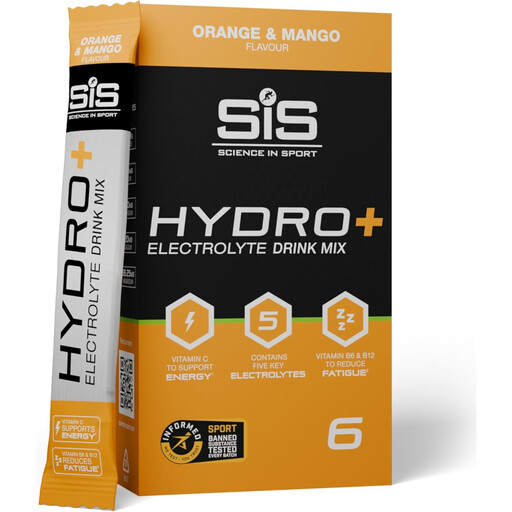
Why This Fits Their Persona: Six individual sachets provide a simple way to try an electrolyte powder for gym sessions, commuting or occasional post-workout hydration.
The label states the mineral and vitamin amounts per 4.3g serving, alongside a clear instruction to mix one sachet with 500ml of cold water.
Orange and mango flavour; provides sodium, potassium, chloride, calcium and magnesium, plus vitamins C, B6 and B12.
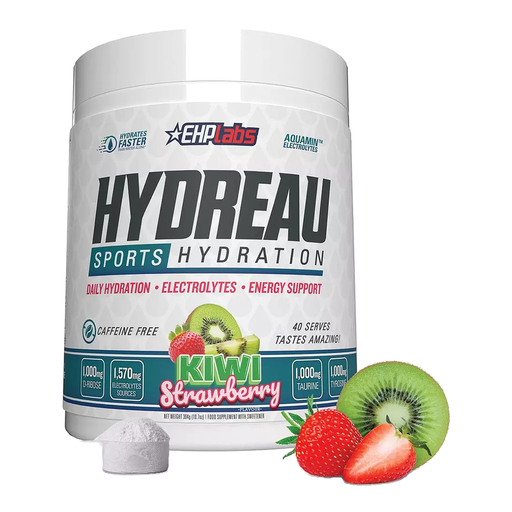
Why This Fits Their Persona: The 40-serving tub suits regular gym users and active adults who prefer mixing a drink at home or carrying a scoop to training.
It provides stated per-scoop figures, including 15 calories, 1g sugar, 200mg sodium and 80mg magnesium, making comparison more transparent.
Kiwi strawberry flavour; includes coconut water powder, taurine, tyrosine and vitamin C.
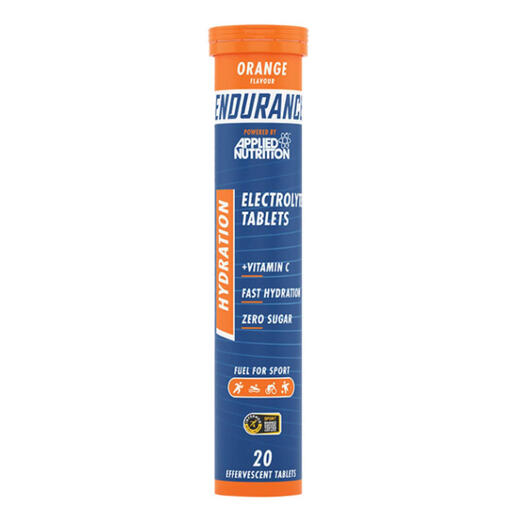
Why This Fits Their Persona: The tube format is practical for runners, cyclists and travellers who need a measured serving without carrying loose powder.
The orange version lists its mineral quantities per tablet and gives a maximum of four tablets daily, helping users control intake.
20 effervescent tablets; zero sugar and 7 calories per tablet; listed as suitable for vegan and vegetarian diets.
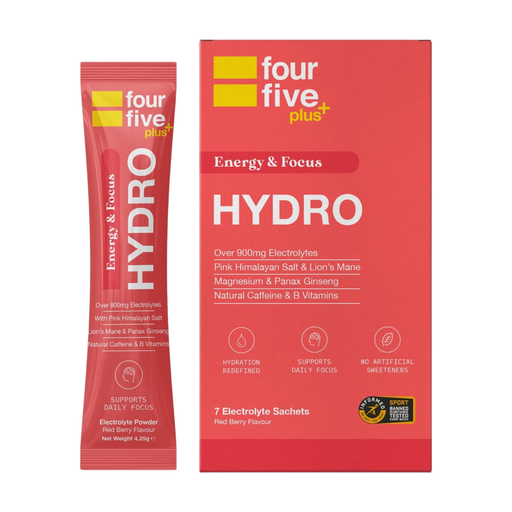
Why This Fits Their Persona: This is designed for adults who want hydration with a measured caffeine component before training or during demanding working days.
The product page states 80mg caffeine per serving, so shoppers can account for it alongside coffee and other caffeinated products.
Seven sachets; 14 calories per serving; includes over 900mg of electrolytes as stated on the product page and L-theanine.
We have compiled a complete, real-time list of products that fully satisfy these strict selection criteria and UK safety regulations.
For a normal day, start with water and use a supplement when its format or ingredients offer a clear practical benefit. During longer runs, cycling sessions or hot outdoor activities, sip the prepared drink according to the label rather than consuming several concentrated servings at once.
A coconut water drink can provide a ready-to-drink alternative, while a carbohydrate-containing isotonic drink may be more appropriate when exercise lasts longer and energy intake matters. For short sessions, a sugar-free electrolyte drink or low-calorie tablet may better match your nutrition plan.
Store powders and tablets in a cool, dry place, close tubs and tubes after use, and consume prepared drinks within the time stated on the packaging. Check the label each time you reorder because ingredients, serving instructions and packaging can change.
Not necessarily. Many adults can meet ordinary hydration needs through water and food. Electrolyte products are mainly a convenience for sweating, exercise, hot weather, travel or situations where you prefer a flavoured drink with measured minerals.
They can be more economical per prepared drink because one tube is portable and each tablet is portioned. However, compare the number of servings, recommended water volume and delivery cost. A multipack of ready-to-drink bottles may be convenient but occupies more storage space.
Check overlapping ingredients before combining products. Caffeine, sodium, magnesium and B vitamins may appear in several supplements. Follow each label’s dosage guidance, and seek advice from a healthcare professional if you are pregnant, taking medication or managing a medical condition.