
24/7 Customer Support

Free returns

Same-day & Next-day Delivery

Quality Guaranteed

Unlock Your Welcome Offers: FREE Delivery | Up to 80% OFF | Free 30-day JoyPlus trial
Download the APP
Choosing an electrolyte hydration powder can seem straightforward until you compare sodium levels, sugar content, serving sizes and added ingredients. Products marketed as electrolyte drink powder may differ considerably in formulation and intended use. A sachet designed for a short commute is not necessarily suitable for a long run or a heavy gym session.
As the Joybuy Product Recommendation Officer, my approach is to separate useful product information from attention-grabbing claims. Before buying, check these common pitfalls.
Some hydration sachets contain vitamins, amino acids, plant extracts or performance ingredients, but provide relatively modest amounts of sodium and other electrolytes. Added ingredients are not automatically a disadvantage, although they should not distract from the core minerals your routine requires.
Look first at the per-serving sodium, potassium, magnesium and calcium figures. Compare like with like: one product may define a serving as a small scoop mixed into 300ml, while another uses a sachet mixed into 500ml or more.
A zero sugar electrolyte drink may suit people limiting sugar or calories, but sweetness, acidity and mineral concentration vary. Stevia, sucralose or monk fruit can create different tastes, while higher sodium formulas may taste noticeably salty.
If you are exercising for a long period, carbohydrate needs may be different from those of someone seeking a low-calorie drink for everyday use. Do not choose solely from the front-of-pack message; read the nutrition panel and directions.
Some products combine electrolytes with caffeine, creatine, B vitamins, taurine or amino acids. These combinations may be convenient, but they can overlap with other sports nutrition supplements in your routine.
For example, a hydration powder with vitamins may already provide substantial amounts of selected nutrients. A caffeinated formula may not be suitable late in the day or for people who are sensitive to caffeine. Always follow the stated serving limit and check the label before combining products.
For exercise, heat or heavy sweating, sodium is often the most prominent electrolyte to compare. Potassium, magnesium and calcium may also be included, but their quantities can vary significantly. A product’s total “electrolyte” figure is less useful if it does not show the individual amounts.
The mixing volume matters too. A powder intended for 500–1,000ml creates a more diluted drink than one intended for 200–500ml. Follow the manufacturer’s instructions rather than adding extra powder to make the flavour stronger.
Check both sugars per serving and total carbohydrate. A low-sugar or sugar-free product may be appropriate for everyday hydration, travel or light activity. Products containing glucose or other carbohydrates may be considered differently for prolonged endurance exercise.
Also check the sweetener and flavouring list if you have dietary preferences. Several options in this range are described as vegan, gluten-free or dairy-free, but customers with allergies or intolerances should verify the current packaging and allergen statement.
Powder tubs usually offer a larger number of servings and can work well at home or in the gym. Single-serve hydration sachets are easier to carry in a work bag, running belt or hand luggage. Hydration tablets are another compact format, although they require a separate tablet tube or container.
For a sports hydration supplement, decide whether you actually need added features. Creatine and electrolyte powder may suit someone already using creatine as part of a structured training routine. A caffeine-containing product may suit daytime focus, but a caffeine-free option is more flexible for evening workouts.
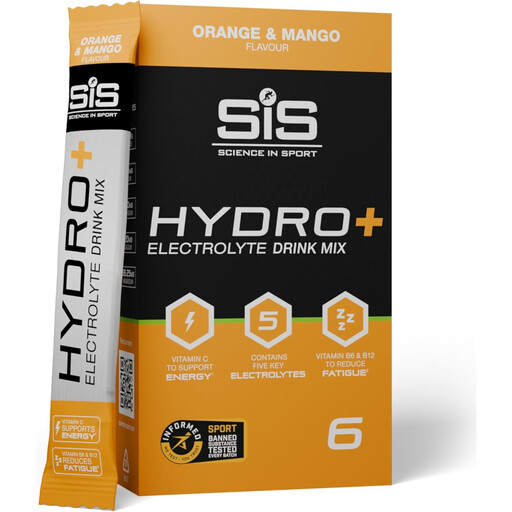
Why This Fits Their Persona: A small six-sachet pack lets new users try a straightforward electrolyte drink powder without committing to a large tub. It is convenient for occasional gym sessions, commuting or travel around the UK.
The label states a defined 4.3g serving mixed with 500ml of cold water, with sodium, potassium, chloride, calcium and magnesium listed separately.
Includes vitamins C, B6 and B12, and is supplied in portable single-serve sachets.
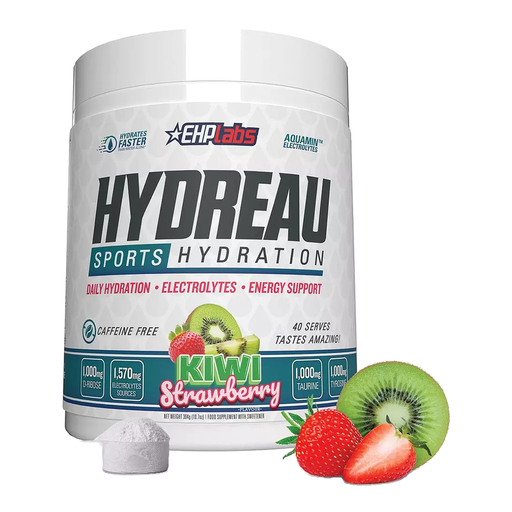
Why This Fits Their Persona: The larger tub suits regular gym-goers who want a scoop format for use before, during or after training, rather than carrying individual sachets.
The nutrition information identifies 15 calories, 1g sugar, 200mg sodium and 80mg magnesium per serving.
Provides 40 servings, with coconut water powder, taurine, tyrosine and vitamin C listed in the formulation.
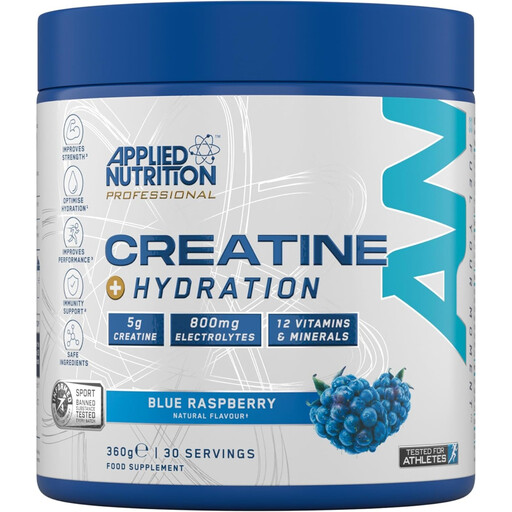
Why This Fits Their Persona: This is aimed at adults who specifically want creatine included alongside electrolytes for a structured fitness routine, rather than a simple daily hydration drink.
The label clearly identifies a 5g creatine monohydrate serving within a 12g scoop and states a maximum of one serving in 24 hours.
Provides 360g of powder, with magnesium, potassium, calcium and sodium listed per scoop.
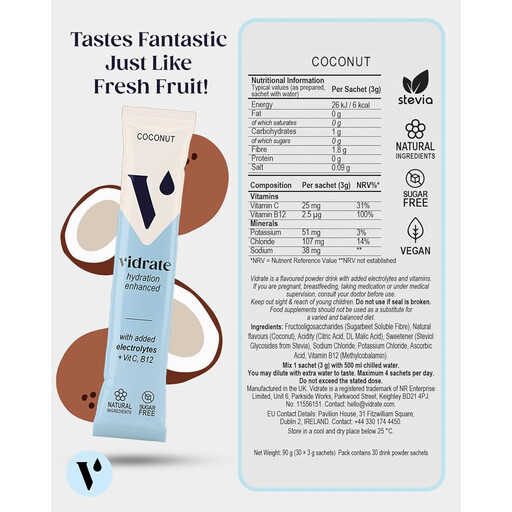
Why This Fits Their Persona: A compact zero-sugar option for work, travel, outdoor activity or post-workout hydration when a lighter daily drink is preferred.
Unlike the caffeinated Boost version, this product lists no caffeine and provides a clearly stated 3g sachet serving.
Contains zero sugar, 120mg sodium, 80mg potassium, 25mg magnesium and vitamin C per sachet.
We have compiled a complete, real-time list of products that fully satisfy these strict selection criteria and UK safety regulations.
Use the water volume stated on the packaging, commonly between 300ml and 1,000ml. Shake or stir until dissolved, and do not consume dry powder. A larger volume can produce a milder taste, particularly with higher-sodium hydration sachets.
Some products are labelled for daily hydration, while others are designed around exercise or a maximum serving of one sachet per day. Check the dosage, sodium level and added vitamins before using one routinely. Supplements should complement a varied diet, not replace it.
Compare the cost per serving rather than the pack price. Tubs may offer more servings, while sachets provide portability and measured portions. Include any unused powder caused by flavour preferences or limited shelf life when assessing value, and store opened products in a cool, dry place according to the label.